Truck campers have emerged as a popular and versatile solution for adventure enthusiasts and travelers seeking freedom on the road combined with the comforts of home. Offering a compact yet highly functional living space mounted directly onto a pickup truck, truck campers provide an ideal blend of mobility, convenience, and ruggedness. This comprehensive article explores the world of truck campers, their design, benefits, customization options, practical uses, and tips for choosing the perfect model tailored to your unique travel needs.
Introduction to Truck Campers
Truck campers are self-contained units designed to fit onto the bed of pickup trucks. Unlike traditional RVs or trailers, these campers attach directly to the truck chassis, allowing for a nimble and flexible travel experience, especially over rough or off-road terrains. Their design is compact yet ergonomic, often featuring a raised sleeping loft, kitchenette, dining space, and bathroom facilities, depending on the model and customization.
Originating decades ago as a practical way for hunters and outdoor workers to carry overnight accommodations with their trucks, truck campers have evolved dramatically. Modern models incorporate advanced materials, innovative layouts, and luxury features that make them suitable not only for weekend getaways but also for extended journeys and full-time living.
Design and Construction Features
The construction of truck campers emphasizes lightweight but durable materials to balance mobility with sturdiness. Most units utilize fiberglass, aluminum, or composite panels integrated with insulated walls to provide thermal comfort. The camper’s frame is engineered to evenly distribute weight and secure firmly onto the truck bed.
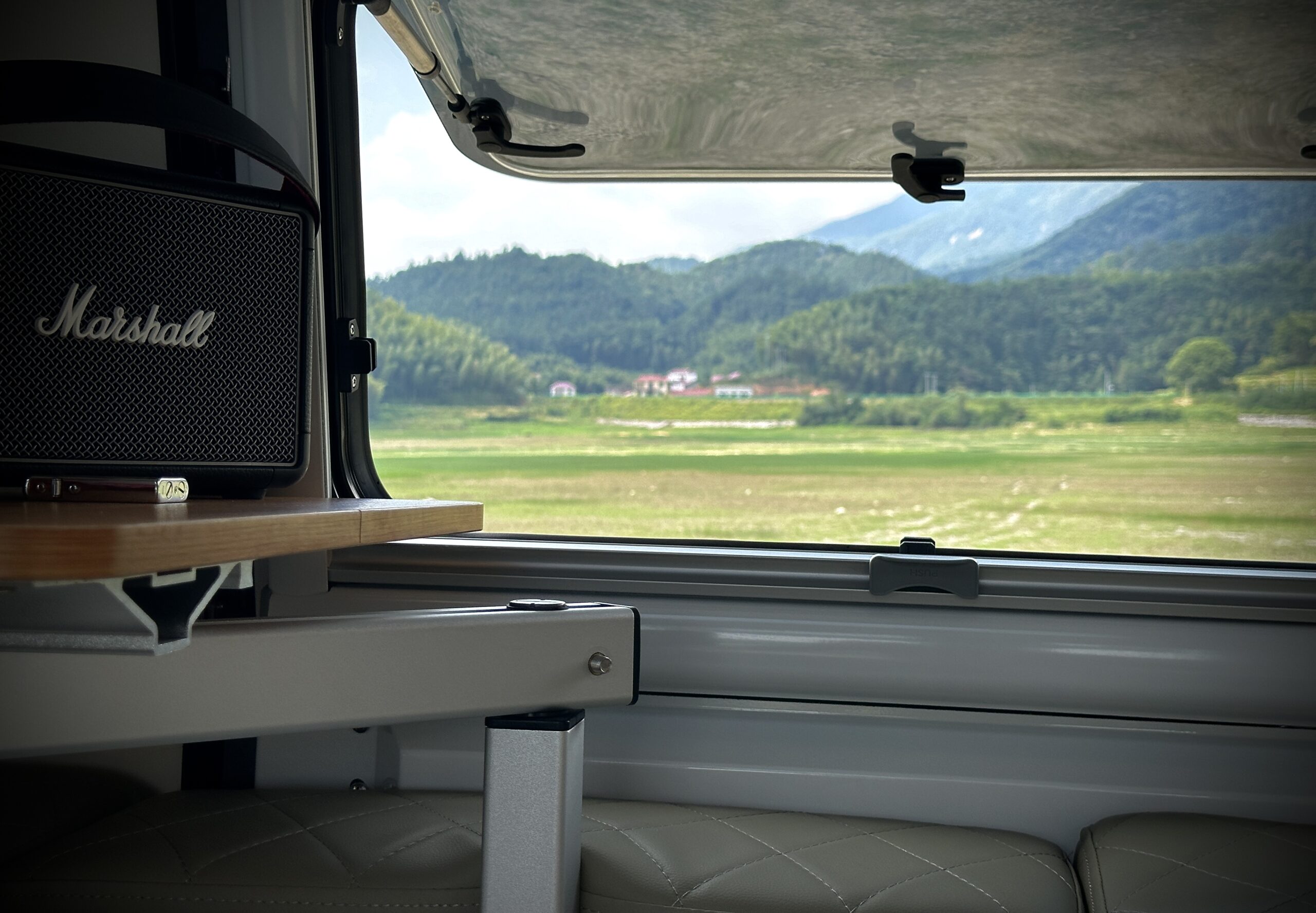
Design-wise, truck campers maximize vertical space by including a cabover section—an extended area above the truck cabin—often used as a sleeping berth. Inside, space-saving furniture such as foldable tables, convertible benches, and recessed storage compartments help optimize usability within limited square footage.
Contemporary features often extend to solar panels, LED lighting, high-efficiency appliances, and water management systems, allowing for off-grid sustainability. Many manufacturers also focus on aerodynamic shapes to minimize drag and improve fuel efficiency during travel.
Advantages of Truck Campers
One of the main benefits of truck campers is their exceptional versatility. Since they mount on pickups, they allow users to detach the camper upon arrival, freeing the truck for other uses such as hauling gear or exploring areas inaccessible to larger RVs.
Due to their relatively compact size, truck campers offer easier maneuverability on narrow or rugged roads. They are also suitable for urban parking or campgrounds with size restrictions, enhancing accessibility for a wide range of destinations.
Furthermore, truck campers often cost less than larger motorhomes or towable trailers, making them an economical option without compromising on essential amenities. Their modular nature also means owners can choose base trucks that fit their budget and performance requirements.
Customization and Adaptability
An outstanding advantage of truck campers lies in their ability to be custom-built or modified to fit various pickup models and specific user needs. Many manufacturers work closely with clients to create tailored designs that optimize space, include desired features, and complement the vehicle’s dimensions.
Custom options range from the choice of materials, layout configurations, upgraded insulation for extreme climates, to the installation of specialized equipment such as satellite communications, advanced climate control, or off-road stabilization systems. This adaptability makes truck campers popular with diverse user groups including outdoor enthusiasts, remote workers, and even mobile businesses.
For owners who already have a pickup truck, many companies offer camper units designed to retrofit directly, ensuring a seamless integration without compromising the vehicle’s performance or safety.
Practical Applications and Use Cases
Truck campers are uniquely suited for a variety of applications:
- Recreational Travel: Ideal for weekend camping, overlanding, and road trips, offering comfortable shelter without the need for reservations or external accommodations.
- Remote Work and Living: Equipped with power sources and connectivity, truck campers can double as mobile offices or homes for digital nomads.
- Field Work and Research: Perfect for scientists, photographers, and explorers who work in remote locations and require resilient, self-sufficient living quarters.
- Emergency and Disaster Response: Used by responders needing rapid deployable shelters that allow mobility across difficult terrains.
- Mobile Business: Some owners convert truck campers into compact food service units, pop-up shops, or promotional vehicles.
Choosing the Right Truck Camper
The process of selecting the optimal truck camper involves several critical considerations:
- Truck Compatibility: The camper must match the size and weight capacity of your pickup. Overloading can affect handling and safety.
- Intended Use: Define your typical travel scenarios. Do you prioritize off-road capability, luxury, or extended off-grid endurance?
- Space Requirements: Consider sleeping capacity, kitchen and storage needs, and whether you need bathroom facilities inside the unit.
- Budget and Features: Outline your financial limits alongside must-have features and optional upgrades.
- Build Quality and Manufacturer Reputation: Choose brands with proven craftsmanship, reliable customer support, and warranties.
Meeting with manufacturers or dealers to view models in person, asking for detailed specifications, and reading reviews will help ensure you make an informed purchase tailored to your lifestyle.
Maintenance and Operational Tips
Maintaining a truck camper ensures longevity and sustained enjoyment. Basic tips include:
- Regularly inspecting seals and joints to prevent water intrusion.
- Cleaning solar panels and keeping batteries charged if off-grid power is used.
- Lubricating hinges, locks, and mechanical components.
- Performing seasonal checks on plumbing and electrical systems.
- Storing the camper in a sheltered location when not in use to protect against harsh weather.
Additionally, understanding weight distribution and securing items properly before travel safeguards both the truck and camper.
The Future of Truck Campers
With advances in technology and changing travel paradigms, truck campers are poised to become even more sophisticated. Integrating smart home controls, renewable energy sources, and modular interiors that can transform for different uses are trends gaining momentum. Lightweight composite materials and aerodynamic designs will continue to improve fuel efficiency and ease of use.
Moreover, environmental consciousness is driving manufacturers towards sustainable production methods and eco-friendly systems, appealing to the growing community of green travelers.
Conclusion
Truck campers combine practicality with adventure, delivering a dynamic way to explore diverse terrains while enjoying many of the comforts of home. Their compact build, ease of customization, and adaptability make them an excellent investment for those passionate about independent travel. Whether you’re embarking on a weekend trip or a cross-continental odyssey, a carefully chosen truck camper enhances your journey with flexibility, comfort, and style.
As interest in outdoor and mobile lifestyles grows, truck campers remain at the forefront of innovation in recreational vehicles, blending tradition and technology to meet the evolving demands of modern explorers.