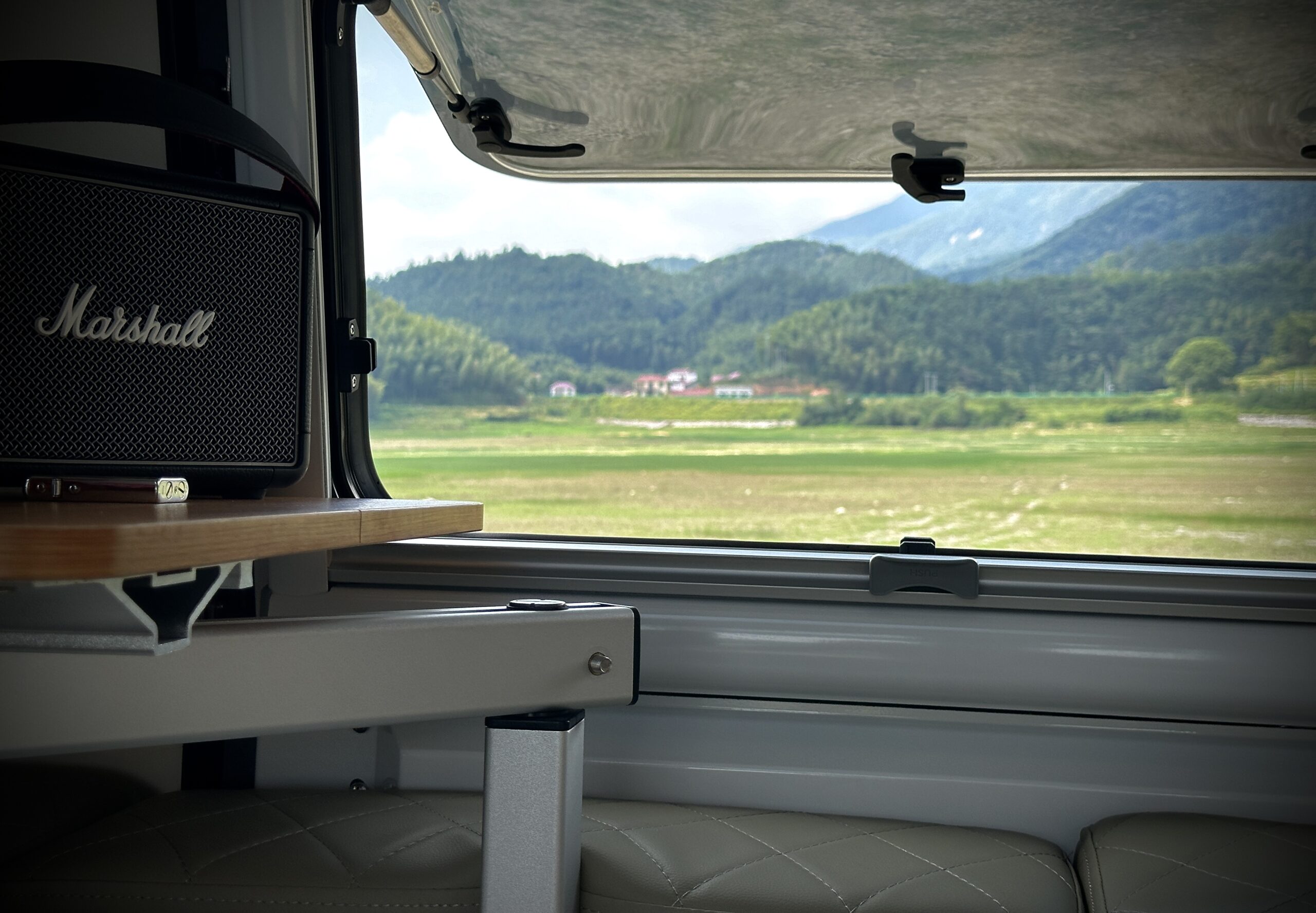
Truck campers have gained immense popularity among outdoor enthusiasts and travelers seeking the freedom to explore without sacrificing comfort. Combining the rugged capability of a pickup truck with the convenience of a fully functional living space, truck campers offer a unique and versatile solution for road trips, camping adventures, and remote work setups. This article delves deep into the world of truck campers, exploring their benefits, design features, customization options, practical uses, and tips for choosing the ideal model for your needs.
What Is a Truck Camper?
A truck camper is a compact living unit designed to be mounted onto the bed of a pickup truck. Unlike traditional RVs or trailers, truck campers offer greater mobility and maneuverability, allowing users to access off-road locations and narrow paths inaccessible to larger vehicles. These campers are self-contained, typically including sleeping quarters, a kitchenette, storage space, and sometimes a bathroom.
The core advantage of truck campers lies in their ability to transform a standard pickup truck into a mobile home, making them highly adaptable for both short trips and extended adventures. Their compact size reduces fuel consumption compared to larger RVs and enables easy parking, making them an excellent choice for urban and wilderness environments alike.
Advantages of Truck Campers
Truck campers offer multiple benefits compared to other forms of recreational vehicles and camping setups:
- Mobility and Accessibility: Because they mount on the truck bed, truck campers allow users to explore rugged terrains, mountain trails, and backcountry roads without worrying about towing limitations or vehicle size.
- Convenience and Comfort: Unlike tents, truck campers provide a protected living space that includes sleeping, cooking, and sometimes bathroom facilities, enabling camping in diverse weather conditions.
- Customizability: Many manufacturers offer custom builds catered to different pickup models, providing tailored layouts and features that cater exactly to personal requirements.
- Cost-Effectiveness: Compared to larger RVs or frequently staying in hotels, truck campers can serve as an affordable long-term travel and accommodation option.
- Storage Efficiency: Integration with the truck allows camper owners to use the truck’s bed and cab for additional equipment and gear, maximizing utility.
Popular Design Features
Modern truck campers are designed with innovation and versatility in mind. Here’s a breakdown of common design elements found across different models:
Sleeping Area
The sleeping quarters are typically situated above the truck cab or at the rear end, optimized for space efficiency. Slide-out beds, convertible dinettes, and bunk beds are popular options to maximize comfort without requiring excessive room.
Kitchenette
A compact kitchen setup with essential appliances like a portable stove, sink, and mini-fridge enables easy meal preparation on the road. Many campers also include foldable tables or countertop extensions to create extra workspace.
Bathroom Facilities
Some truck campers integrate wet baths or compact toilets with water supply systems, providing convenience especially for long trips. These features depend on camper size and customization but add significant utility.
Storage Solutions
Built-in cabinets, under-bed compartments, and overhead shelves enable efficient storage of equipment, clothes, and supplies, keeping the living area organized and clutter-free.
Electrical and Lighting
Solar panels, battery banks, and LED lighting systems help maintain power autonomy while promoting sustainability. Many setups feature USB charging ports and external power hookups as well.
Customization Options
One of the most appealing aspects of truck campers is the extensive range of customization possibilities. Leading manufacturers work closely with clients to tailor their campers based on specific pickup truck models and desired functionalities. Some popular customizations include:
- Exterior Modifications: Upgraded roof racks, awnings, ladder systems, and exterior lighting help expand the camper’s versatility and ease of access.
- Interior Layouts: Flexible designs allow users to choose configurations prioritizing sleeping space, storage, or kitchen amenities based on usage style.
- Material Upgrades: Usage of lightweight yet durable materials like fiberglass, aluminum, and composite panels ensures balance between strength and weight.
- Off-Grid Capability: Enhanced solar setups, water purification systems, and larger battery capacities allow sustainable living without constant reliance on external services.
- Heating and Cooling: Options such as rooftop air conditioners, diesel heaters, and ventilation fans improve comfort across various climates.
Choosing the Right Truck Camper
Selecting a truck camper requires careful consideration of multiple factors to ensure it meets your traveling habits and truck compatibility:
Vehicle Compatibility
The camper must fit securely onto the truck bed, keeping weight distribution appropriate for vehicle stability. Manufacturers often specify compatible makes and models, highlighting weight limits and mounting systems. It’s essential to verify that your truck can handle the camper’s size and weight.
Travel Purpose
Determine whether you plan to use the camper for weekend getaways, extended expeditions, or full-time living. This influences the required amenities, storage capacity, and durability of the camper.
Budget
Truck campers come in a wide price range depending on size, features, and customization. Pre-owned options offer affordability, but new models provide the latest technologies and warranties.
Weight and Size
Ensure the camper’s dimensions complement your truck’s payload. Keeping weight distribution balanced avoids handling issues and excessive wear on the vehicle.
Climate Considerations
If you intend to camp in extreme temperatures, prioritize enhanced insulation, heating/cooling systems, and rugged construction materials.
Practical Uses of Truck Campers
The versatility of truck campers shines across various applications, including:
- Recreational Camping: Offering a comfortable home base while exploring national parks, forests, or remote scenic spots.
- Work and Utility: Mobile offices or sleeping quarters for professionals working in construction, forestry, oil fields, or events.
- Adventure Sports: Transport and housing solutions for mountain biking, skiing, climbing, and other outdoor sports enthusiasts.
- Emergency and Rescue: Rapid deployment units for search and rescue teams needing functional and accessible transportable shelters.
- Long-Term Travel: Ideal for vanlifers, nomads, and remote workers seeking the flexibility to relocate without trading off comfort.
Maintenance and Care Tips
To extend the lifespan of your truck camper and ensure safe travels, consider these maintenance best practices:
- Regular Inspections: Check mounting points, seals, and structural integrity before and after trips.
- Electrical System: Test batteries, solar panels, and wiring periodically to detect any faults.
- Water System: Flush and sanitize tanks and pumps to prevent buildup and contamination.
- Exterior Care: Wash and wax surfaces to protect finishes and prevent corrosion.
- Appliance Servicing: Follow manufacturer guidelines for refrigerators, heaters, and stoves to maintain optimal function.
- Storage: When not in use, store in covered or sheltered areas to minimize exposure to elements.
Future Trends in Truck Campers
As technology advances and outdoor lifestyles evolve, truck campers continue to innovate with:
- Smart Features: Integration of IoT devices and apps for remote monitoring of systems like temperature control, battery status, and security.
- Sustainable Materials: Eco-friendly composites and recycled materials to reduce environmental impact.
- Improved Aerodynamics: Streamlined designs that reduce drag and improve fuel efficiency.
- Lightweight Structures: Use of carbon fiber and advanced alloys to lower weight without compromising strength.
- Enhanced Off-Grid Living: Expanded solar capabilities, water recycling, and energy-efficient appliances for prolonged self-sufficiency.
Conclusion
Truck campers represent the perfect fusion of mobility, comfort, and versatility for those passionate about travel and outdoor living. Their compact design, adaptability to various pickup trucks, and customizable interiors position them as a practical alternative to larger RVs and traditional camping setups. Whether you’re an adventure seeker, a remote worker, or someone who simply enjoys flexible and cozy travel accommodations, investing in a truck camper opens a world of possibilities. Careful consideration of your truck’s compatibility, travel needs, and budget will guide you to selecting the perfect unit. With proper maintenance and smart customization, your truck camper can become your trusted companion on countless journeys, providing you with shelter, convenience, and the freedom to explore nature’s wonders.