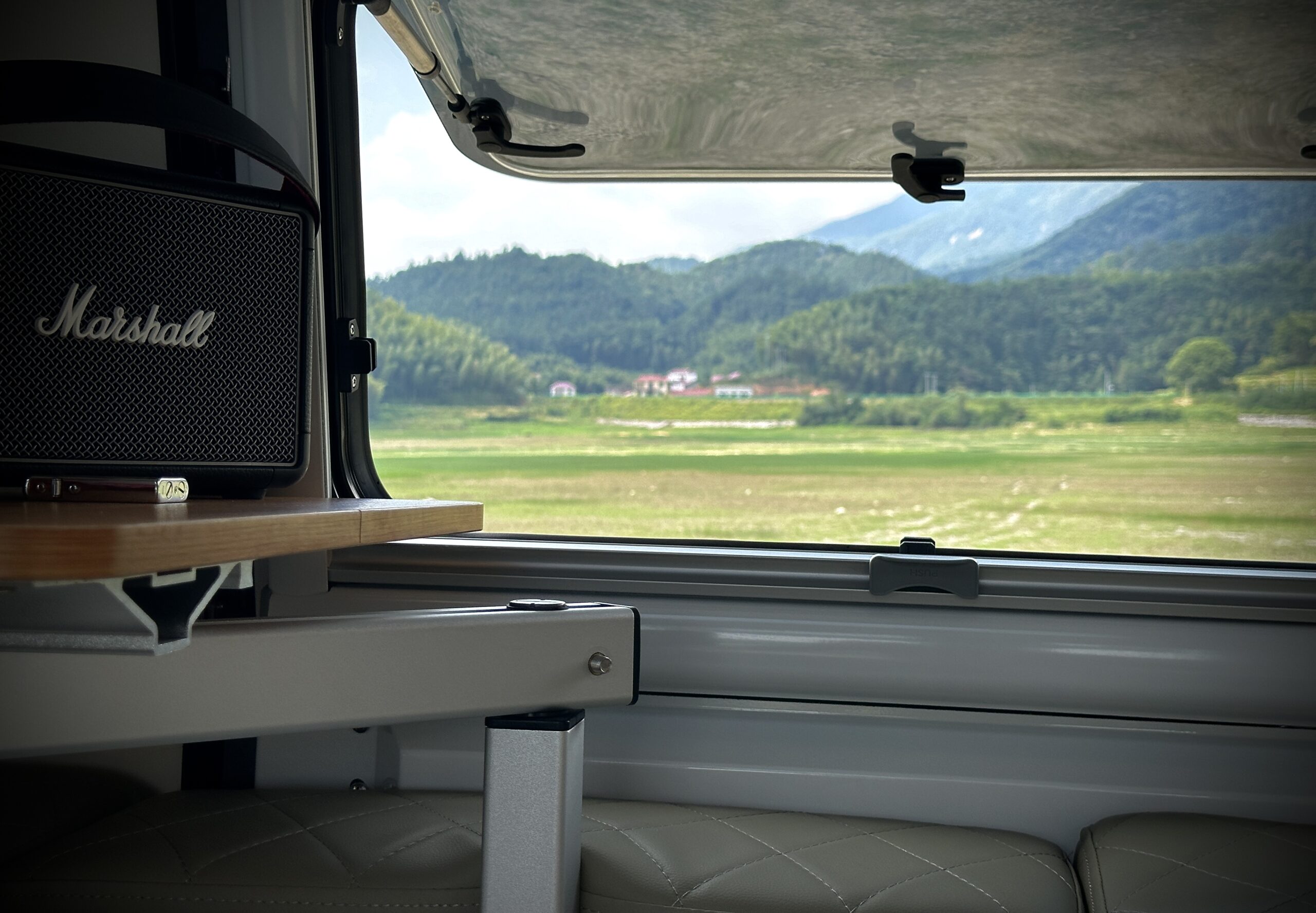
Truck campers have become increasingly popular among outdoor enthusiasts, adventurers, and travelers who seek freedom on the road combined with the convenience of home-like amenities. Designed to be mounted onto the bed of a pickup truck, truck campers offer an excellent balance between mobility, comfort, and off-grid capability. Whether you are planning weekend getaways, extended road trips, or even remote work from nature, owning a truck camper can transform your travel experience.
What Is a Truck Camper
A truck camper is a compact, self-contained living unit that fits into the bed of a pickup truck. Unlike traditional RVs or travel trailers, truck campers ride atop the truck, allowing you to carry your camper wherever your truck can go. They provide sleeping space, basic kitchen facilities, a bathroom in some models, and storage, all integrated into a sturdy and compact design.
Depending on the model and customization, truck campers can be as simple as a sleeping shell with a mattress or as elaborate as fully equipped micro-homes on wheels, complete with multi-functional furniture, advanced appliances, and off-grid systems.
Advantages of Truck Campers
There are numerous benefits to choosing a truck camper for your adventures:
- Versatility: Because the camper is mounted on your truck bed, you can detach it when not in use and use your truck for everyday purposes.
- Off-road capability: Pickup trucks, especially 4x4s, excel in rugged terrain. A truck camper harnesses this capability, enabling camping in remote and hard-to-reach locations.
- Compact footprint: Unlike large RVs, truck campers are easier to drive, park, and maneuver, suitable for city driving as well as wilderness exploration.
- Lower cost: Truck campers are often more affordable than many traditional RVs and trailers, with options ranging from budget-friendly to luxury models.
- Customization: Many manufacturers offer custom builds to match your specific needs and your truck’s dimensions, maximizing utility and comfort.
Types of Truck Campers
Truck campers come in various designs, sizes, and configurations to suit different preferences:
- Slide-in Campers: These are typical campers that slide into the truck bed, secured by tie-downs or jacks. They are available in pop-up and hard wall styles.
- Pop-up Campers: These compact campers feature expandable canvas walls, improving aerodynamics and reducing weight during transport.
- Hard-side Campers: With rigid walls and additional insulation, hard-side campers offer enhanced protection against weather and provide more durable construction.
- Expandable Campers: Some models have slide-out or fold-out sections that increase living space when parked.
- Camper Vans and Overland Units: Although technically not mounted in truck beds, these specialized vans or trailer combinations share some features with truck campers and cater to rugged travel.
Key Features to Consider When Choosing a Truck Camper
When selecting a truck camper, consider the following critical aspects to ensure the unit meets your specific needs and preferences:
- Compatibility with Your Pickup Truck: The camper must match the dimensions and payload capacity of your truck bed. This includes considering the truck’s gross vehicle weight rating (GVWR) to avoid overloading and ensure safety.
- Size and Layout: Evaluate how much sleeping, cooking, and living space you require. Layouts vary from minimalist sleeping quarters to units with kitchens, bathrooms, dinettes, and storage.
- Weight: An important factor influencing fuel economy and driving stability. Lightweight campers are easier on the truck’s suspension and handling.
- Amenities and Utilities: Popular features include portable or built-in toilets, showers, refrigerators, heating and cooling systems, freshwater tanks, solar panels, and battery capacity.
- Off-grid Capabilities: For extended remote travel, look for units with solar power setups, water filtration, grey and black water tanks, and propane systems for heating and cooking.
- Build Quality and Materials: Durable materials resist weather and wear. Look for waterproof seals, strong framing, and quality insulation for comfort in varied climates.
- Cost and Warranty: Establish a budget that balances upfront cost with long-term reliability and support.
Customizing Your Truck Camper
Many truck camper manufacturers, especially leading ones, offer customizable options. If you have a specific truck model or unique needs, a custom build can provide:
- Precision fitting to your truck bed size and tie-down system
- Specialized layouts optimized for your intended use (e.g., work, family camping, extended travel)
- Upgraded electric and water systems
- Enhanced insulation for cold weather camping
- Specialized storage or gear racks
Custom camper boxes can be built using a variety of materials such as fiberglass, aluminum, or composite materials that provide strength without heavy weight. Integrated options include slide-outs for extra space, elevated roofs for standing room, and modular interiors designed for maximum space efficiency.
Popular Brands and Manufacturers
This field includes many manufacturers, from mass-market producers to bespoke artisan builders. Some key players known for reliability and innovation include:
- Four Wheel Campers: Renowned for lightweight and versatile pop-up hard-side campers.
- Century Campers: Offers high-end, fully customizable models built to last in rugged environments.
- Northstar Campers: Specializes in durable active lifestyle campers with good off-grid capabilities.
- Lance Campers: Providing well-designed, premium build quality campers focused on comfort.
- Leading Chinese Manufacturers: With rapidly expanding capabilities and competitive pricing, Chinese manufacturers are producing high-quality, customizable pickup camper boxes, food trailers, and mobile restroom/shower trailers geared toward both local and international markets.
Setting Up and Maintaining Your Truck Camper
Proper maintenance and setup enhance longevity and performance:
- Installation: Properly secure the camper with tie-downs and turnbuckles, ensuring the weight is evenly distributed.
- Inspect Seals and Joints: Prevent water leaks by inspecting and re-sealing roof edges, windows, and doors before trips.
- Battery and Power System: Regularly check battery charge and wiring if your camper has electrical systems or solar panels.
- Water Tanks and Plumbing: Keep tanks clean, drain before winter, and maintain pumps.
- Clean and Protect Exterior: Wash and wax regularly, especially after off-road use.
- Winter Storage: Use antifreeze in plumbing if stored in freezing temperatures.
How to Choose the Right Pickup Truck for a Camper
Selecting the right truck is crucial. The pickup should have appropriate payload capacity and bed size for your camper. Popular pickups for campers include:
- Ford F-Series: Known for payload capability and body variety.
- Chevrolet Silverado: Robust and widely compatible with camper boxes.
- Toyota Tacoma and Tundra: Popular for their reliability and off-road prowess.
- Ram 1500/2500: Good balance of comfort and utility.
Consider the cab configuration (regular, extended, crew cab), as it affects passenger space and bed length, which is critical for camper fitment.
Tips for Living in a Truck Camper
Life on the road in a truck camper is rewarding, but smaller space means planning and adaptability are essential:
- Plan Your Storage: Use modular containers and keep only essentials to maximize space.
- Multi-functional Furniture: Use fold-down tables, convertible beds, and collapsible kitchenware.
- Keep It Clean: Small spaces are prone to clutter. Routine cleaning improves comfort.
- Ventilation and Climate Control: Use roof vents, fans, or portable heaters/coolers to maintain air quality.
- Water Management: Monitor water usage carefully, especially off-grid.
- Safety First: Keep propane detectors, fire extinguishers, and first aid kits accessible.
Future Trends in Truck Campers
The truck camper industry continues to innovate with trends that enhance experience and sustainability:
- Lightweight Composite Materials: Enable stronger, lighter camper shells.
- Solar Power Integration: More campers built with integrated solar panels and lithium battery systems.
- Smart Technology: Apps and controllers for lighting, heating, and power management.
- Eco-friendly Designs: Use of sustainable materials and systems reducing environmental impact.
- Modular Interiors: Allowing users to reconfigure spaces according to specific needs.
- Improved Off-road Suspension Kits: Ensuring comfort and durability on rough terrain.
Conclusion
Truck campers offer an exciting and versatile way to explore, combining mobility with the comforts of home. Whether you’re an off-road adventurer, a weekend warrior, or a full-time traveler, there is a truck camper solution tailored to your needs. With careful selection, customization, and maintenance, your pickup and camper can become a reliable platform for countless journeys and unforgettable experiences.