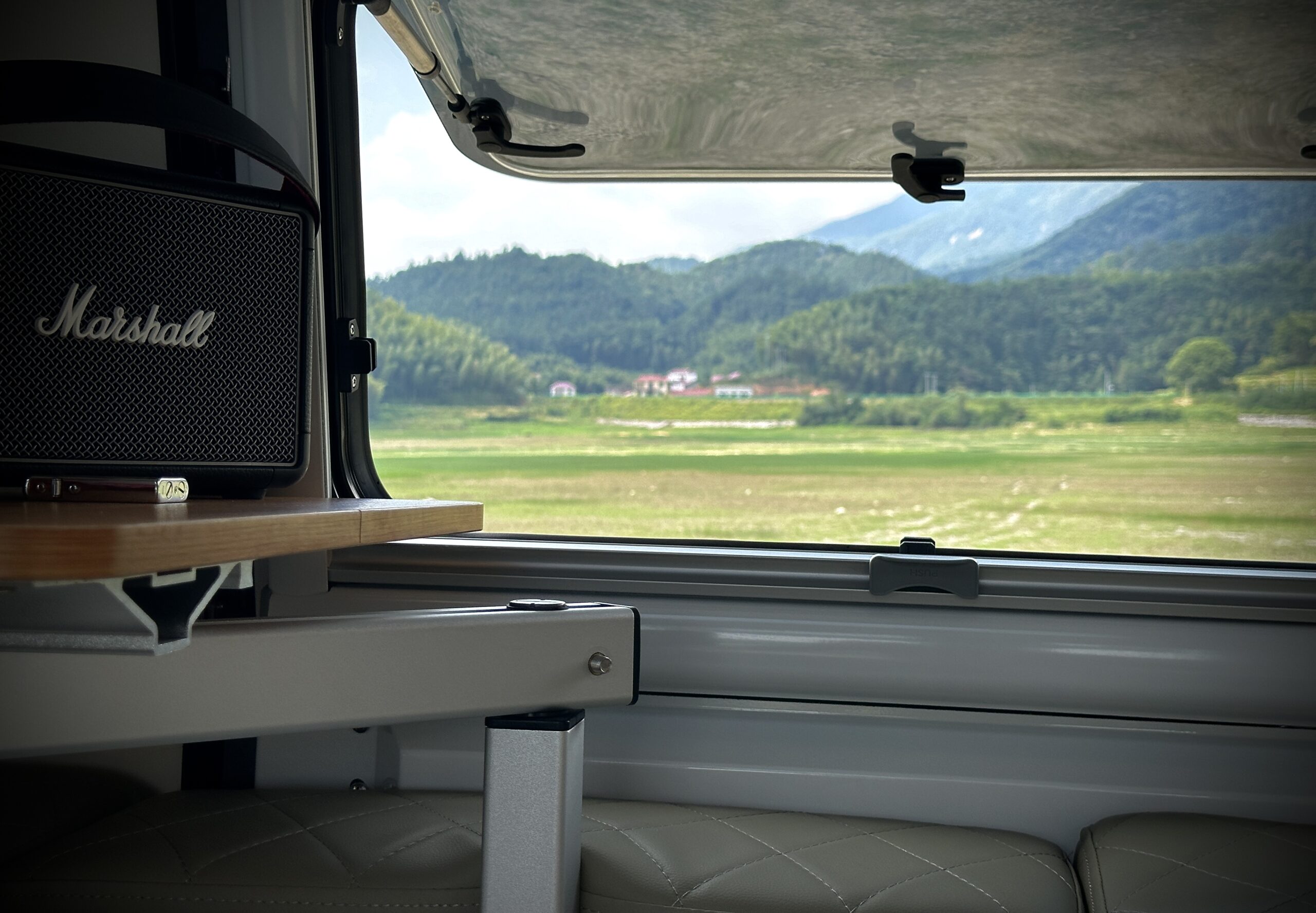
Truck campers have surged in popularity among outdoor enthusiasts, combining the ruggedness of a pickup truck with the convenience of a mobile home. Whether you’re a weekend warrior seeking weekend getaways or a full-time traveler exploring remote destinations, a truck camper offers unmatched flexibility and independence.
This comprehensive guide delves deep into everything you need to know about truck campers — from understanding their types and features to tips on customization, maintenance, and buying considerations. By the end, you’ll be well-equipped to choose the perfect truck camper tailored to your adventure style and vehicle.
What Is a Truck Camper
A truck camper is a compact, self-contained recreational vehicle (RV) designed to fit into the bed of a pickup truck. Unlike traditional RVs that are standalone trailers or motorhomes, truck campers capitalize on the portability and off-road abilities of pickups. They slide into the truck bed, secured by tie-downs and turnbuckles, effectively transforming your truck into a cozy, mobile living space.
Truck campers typically include essential amenities such as sleeping quarters, a small kitchenette, storage areas, and sometimes a compact bathroom. Their compactness allows you to go places larger RVs simply cannot reach — narrow forest trails, remote beaches, mountain paths, and more.
Types of Truck Campers
Selecting the right truck camper begins with understanding the main types available. The market features several variations, each optimized for different pickup sizes, budget ranges, and desired features:
1. Slide-In Truck Campers
This is the classic style where the camper unit slides directly into the truck bed. Slide-in campers provide a seamless integration with the truck chassis and are secured firmly. They come in various sizes designed for light-duty, mid-size, and heavy-duty pickups. Due to their compact size, they are ideal for quick trips and off-road exploring.
2. Pop-Up Truck Campers
Pop-up models have collapsible roofs or sides that expand once the camper is set up, allowing for a lower profile during travel. These campers save on fuel and improve driving safety because of their reduced height on highways. When you reach your campsite, the camper expands to provide more headroom and living area.
3. Hard-Shell Truck Campers
Constructed with rigid materials such as fiberglass or molded composites, hard-shell campers offer greater protection against weather and vandalism. They tend to be heavier but more durable and better insulated than pop-ups, making them suitable for colder climates and longer-term use.
4. Conventional Campers with Slide-Outs
Some larger truck campers come with slide-outs or expandable sections that increase interior living space when parked. While they add convenience and comfort, slide-outs require careful securing during transit and might add complexity to the camper’s structure.
Choosing the Right Truck Camper Size
Picking the right size camper is crucial to ensure safe handling and load distribution of your pickup truck. Oversized campers can overly stress the suspension, affect fuel efficiency, and impair driving safety.
Key considerations:
- Truck Bed Size: Measure your truck bed’s length, width, and depth; campers come designed to fit various bed sizes like short beds (8 feet).
- Weight Rating: Check your truck’s payload capacity—the maximum weight it can safely carry, including the camper’s dry weight plus passengers and gear.
- Gross Vehicle Weight Rating (GVWR): This is the combined allowable weight of the truck plus the camper and cargo. Ensure your loaded rig does not exceed this rating for safety and legal compliance.
Popular pickup models like the Ford F-150, Chevrolet Silverado 1500, Toyota Tacoma, and Ram 1500 all have specific campers designed to fit their beds and weight limits precisely.
Essential Features and Amenities
Modern truck campers pack a surprising array of features into their compact footprints. When choosing a camper, consider which amenities are must-haves based on your travel style, climate, and duration of trips:
Sleeping Area
Most truck campers provide a dedicated sleeping area that accommodates 2 to 4 people. Common setups include over-cab sleeping bunks, convertible dinettes, or fold-out beds. Mattress quality varies from foam pads to memory foam, so consider sleeping comfort carefully.
Kitchenette
Basic kitchenettes usually feature a two-burner propane stove, a compact sink with running water, a small refrigerator or icebox, and storage cabinets. Some campers include microwaves or hot plates as well. Adequate ventilation and safety features like propane detectors are essential.
Bathroom Facilities
Lower-end campers may have no dedicated bathroom, relying on outdoor facilities or portable toilets. More sophisticated units include wet baths (combined shower and toilet), cassette toilets, or marine toilets with holding tanks. Confirm water storage and waste disposal options before buying.
Water Systems
Freshwater tanks, wastewater tanks, water pumps, and heaters are all integrated depending on the camper’s complexity. Solar shower bags and portable water containers are useful additions for off-grid adventures.
Heating and Cooling
Insulation quality dictates comfort in extreme temperatures. Many campers have propane or electric heaters, rooftop vents, and optional air conditioning units to maintain livable conditions year-round.
Electrical Systems
Power setups usually incorporate 12V batteries, solar panels, shore power hookups, and inverter systems. This ensures lighting, device charging, refrigeration, and appliance use when boondocking in remote locations.
Customization and Build Options
One compelling advantage of truck campers is the ability to custom-build your camper box to your exact specifications and pickup model. Reputable manufacturers and specialists offer tailored layouts, material choices, finishes, and feature packages.
Popular customizations include:
- Expanded storage compartments
- Enhanced insulation and weather sealing
- Upgraded interior materials like hardwood or marine-grade plywood
- Custom electrical and solar power systems for extended off-grid stays
- Specialty equipment mounts for bicycles, kayaks, or ATVs
- Additional safety features such as backup cameras, trailer hitches, and LED lighting
Advantages of a Truck Camper
Truck campers uniquely combine the utility of a pickup truck and the comforts of an RV with several benefits:
- Versatility: Detach the camper to use the truck independently for work, errands, or hauling gear.
- Off-road capability: Smaller footprint and truck chassis let you access remote areas inaccessible to large RVs.
- Cost savings: Typically less expensive than larger RVs and lower maintenance costs.
- Easy storage: Occupy minimal garage or driveway space.
- Fuel efficiency: Lower wind resistance and weight improve fuel economy compared to large motorhomes.
- Quick setup: Simple hookups and quick leveling make camping faster and less stressful.
Potential Limitations to Consider
Despite their many benefits, truck campers do have some drawbacks relative to other RV types:
- Limited living space: Small interiors mean less room for families or long-term stays.
- Weight and balance concerns: Improper loading can affect vehicle handling and safety.
- Fewer amenities: Typically more basic bathrooms, kitchens, and entertainment options.
- Height restrictions: They increase the truck’s overall height, which may affect garage clearance or off-road trail access.
- Cost of quality builds: Well-built, custom campers can be expensive due to specialized fabrication.
Tips for Selecting the Right Truck Camper Manufacturer
Choosing a reputable manufacturer or custom builder affects your camper’s quality, durability, and resale value. Key qualities to look for include:
- Experience and specialization: Companies focused exclusively on truck campers tend to have deeper expertise.
- Customization options: Flexibility to fit your vehicle model, travel needs, and aesthetic preferences.
- Warranty and support: Reliable after-sale service and parts availability.
- User reviews and testimonials: Positive feedback from real-world users.
- Certifications and standards: Compliance with safety regulations and quality benchmarks.
- Customization lead times: Reasonable production and delivery timelines.
Preparing Your Truck for a Camper
Before installing a truck camper, prepare your truck to handle the added load and optimize safety:
- Suspension upgrades: Heavy-duty springs, airbags, or shock absorbers improve ride quality and handling.
- Brakes: Enhanced brake systems may be necessary to account for increased weight.
- Tires: All-terrain or higher load-rated tires provide better traction and durability.
- Electrical connections: Proper wiring harnesses ensure secure power delivery to the camper.
- Bed protection: Spray-in bed liners or mats protect the truck bed from scratches and rust.
- Weight distribution: Use scales to verify weight balance and CENTER OF GRAVITY positioning inside the truck bed.
Setting Up and Operating Your Truck Camper
Once your camper is installed, certain best practices ensure comfortable stays and prolong camper life:
- Leveling: Use leveling blocks or jacks to stabilize the camper on uneven ground for comfort and appliance operation.
- Securing tie-downs: Regularly inspect and tighten tie-down straps before travel.
- Ventilation: Use roof vents and windows to reduce moisture buildup and condensation.
- Power management: Monitor battery levels and energy consumption during boondocking.
- Water management: Sanitize tanks regularly and ensure proper drainage.
- Cleanliness and maintenance: Routine cleaning of interior and exterior surfaces preserves materials and prevents wear.
Maintenance and Upkeep
Truck campers expose you to wind, rain, dust, and sun, so regular maintenance is vital:
- Inspect seals and seams: Check for cracks or leaks around windows, doors, and roof.
- Check electrical and plumbing systems: Test wiring, pumps, and fixtures periodically.
- Tighten hardware: Camper bolts, cabinet hinges, and door locks require routine adjustment.
- Protect exterior finishes: Wax fiberglass and repaint metal parts to prevent corrosion.
- Winterize: Drain water systems and insulate to prevent freeze damage in cold climates.
Popular Accessories for Truck Campers
Customizing your setup with accessories enhances your overall camping experience:
- Awning systems: Provides shade and expanded outdoor living space.
- Solar panels: For sustainable energy while off-grid.
- Bike racks and cargo carriers: To transport outdoor gear easily.
- Portable grills and camp kitchens: Expand cooking options outside the camper.
- Backup cameras and additional lighting: Improve safety in low visibility conditions.
- Portable toilets and showers: Increase comfort for longer stays in remote locations.
Budgeting Your Truck Camper Purchase
The cost of a truck camper varies widely depending on size, features, brand, and customization. Here’s a rough breakdown:
- Entry-level campers: Usually range from $7,000 to $20,000 for small pop-up or basic slide-in models.
- Mid-range campers: Between $20,000 and $40,000, featuring hard-shell construction and more amenities.
- High-end custom builds: $40,000 to $80,000 or more, with luxury features, heavy insulation, and tailored layouts.
- Used campers: Often available at discounted prices but require careful inspection.
Don’t forget to budget for additional costs such as installation, truck upgrades, insurance, and maintenance.
Environmental Considerations
Traveling with a truck camper allows you to explore nature, so incorporating environmentally friendly practices benefits both you and the ecosystems you visit:
- Use solar power to reduce generator noise and emissions.
- Practice Leave No Trace principles to minimize campsite impacts.
- Use biodegradable soaps and eco-friendly cleaning products.
- Limit propane use and conserve water.
- Plan waste disposal at certified dump stations to avoid contamination.
Community and Resources
Joining the truck camper and overlanding communities can significantly enhance your experience:
- Forums and social media groups: Active user groups for troubleshooting, tips, and inspiration.
- Manufacturer websites and customer support: Updates on new models, manuals, and product recalls.
- RV shows and expos: Opportunities to see camper models firsthand and meet vendors.
- Local clubs and meetup groups: Social connections, group camping trips, and knowledge sharing.
Conclusion
Truck campers represent a versatile, efficient, and adventurous option for travelers who want the freedom to explore off the beaten path with all the comforts of home on board. By understanding the different types, sizes, features, and customization options, you can make an informed decision that perfectly suits your pickup truck model and personal travel needs. Careful maintenance and responsible environmental practices will prolong your camper’s lifespan and protect the beautiful destinations you visit. Whether you’re embarking on short weekend trips or extended journeys, a truck camper transforms your pickup into the ultimate adventure vehicle.
Investing time in selecting the right truck camper and accessories will reward you with countless memorable outdoor experiences and a new way to connect with nature, all from the back of your trusted truck.