Ultimate Guide to Choosing the Perfect Truck Camper for Your Adventure
Truck campers have become increasingly popular among adventurers, travelers, and outdoor enthusiasts who seek freedom, flexibility, and comfort on the road. Unlike traditional RVs or trailers, truck campers offer unique advantages such as compact size, easier maneuverability, and the ability to explore remote and off-road destinations with ease. If you are considering investing in a truck camper, this comprehensive guide will walk you through everything you need to know—from what a truck camper is, the types available, key features, benefits, to important considerations for buying and maintaining one.
What is a Truck Camper?
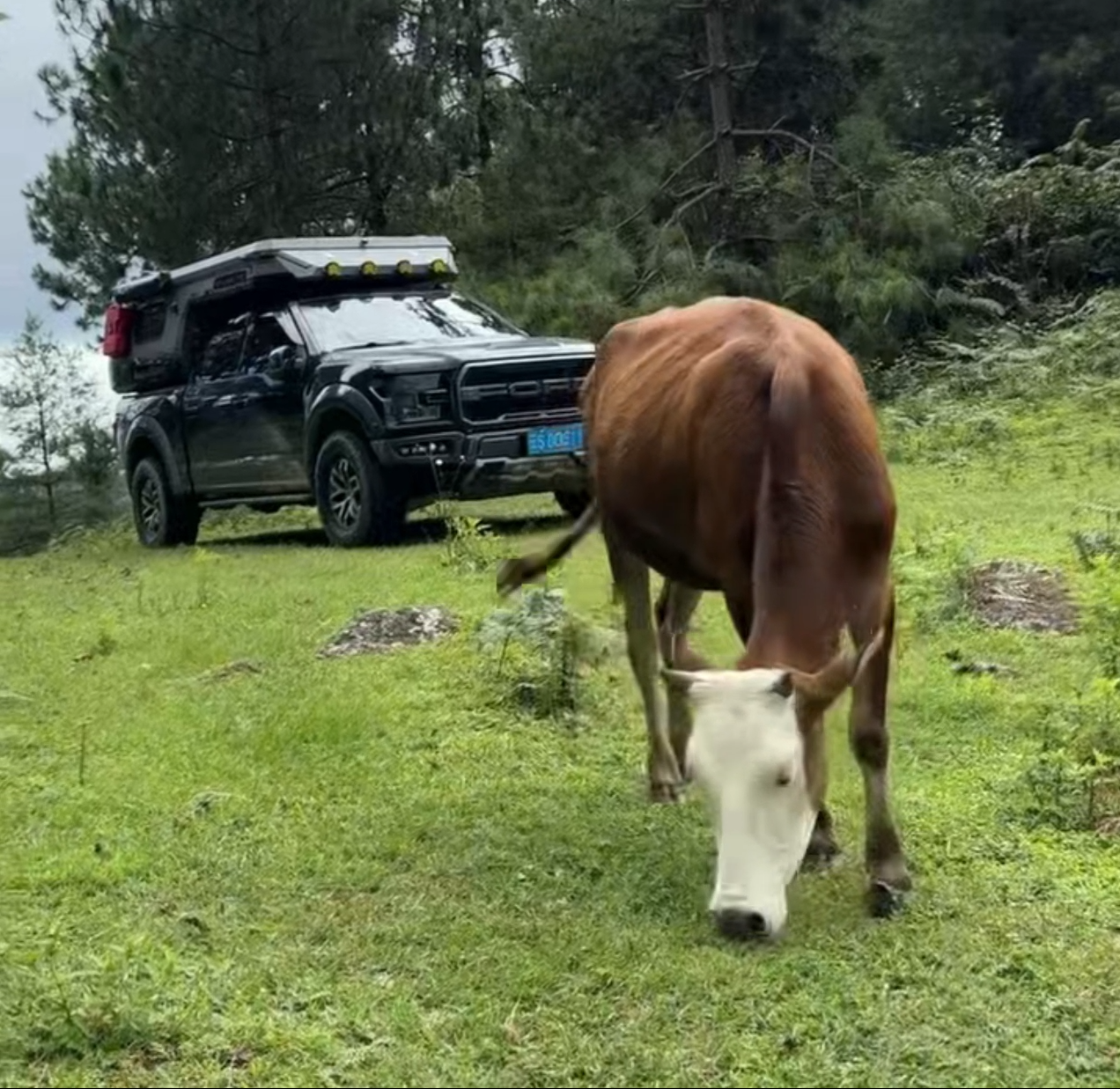
A truck camper is a type of recreational vehicle that is designed to be loaded onto the bed of a pickup truck. Often referred to as a slide-in or cab-over camper, this portable living space is self-contained with amenities like sleeping quarters, kitchen facilities, restroom options, and storage. The camper box is custom-built or manufactured to fit onto specific pickup models, offering a compact and versatile solution for camping, road trips, and outdoor living.
The truck camper is unique because it separates the living space from the vehicle—allowing you to detach the camper and use the truck independently when not camping, adding to the convenience. This versatility encourages a wide range of uses from weekend getaways to extended travel and remote expeditions.
Types of Truck Campers
1. Pop-Up Truck Campers
Pop-up truck campers are lightweight campers featuring fold-down sides and roofs. When collapsed, these campers are low-profile which improves driving aerodynamics and fuel efficiency. Once set up, they offer ample headroom and a cozy interior space. These tend to be more affordable and simpler designs, ideal for casual campers who desire the basics.
2. Hard-Side Truck Campers
Hard-side campers come with solid, insulated walls and permanent roofs. They provide more protection from weather extremes and enhanced security. This type of camper is perfect for year-round camping, providing features comparable to traditional RVs including bathrooms, cooking appliances, and even small seating areas. Hard-side campers tend to be heavier but more durable and comfortable.
3. Slide-In Truck Campers
Slide-in campers specifically refer to those that slide in and out of the truck bed with ease, often equipped with supporting jacks to help unload. These campers can be either pop-up or hard-side but emphasize ease of installation and removal. Many models offer modular interiors that can cater to different camper preferences and needs.
4. Custom-Built Truck Campers
For the enthusiast who demands precision, a custom-built truck camper can be designed to fit specific pickup trucks and personal lifestyle requirements. These often include state-of-the-art materials, handcrafted elements, and undeniable luxury to ensure maximum functionality and comfort. Custom campers can be designed for off-road missions, extended living, or specialized activities like fishing, hunting, or photography.
Key Features to Consider in a Truck Camper
Size and Weight
The size and weight of the camper should match the capabilities of your pickup truck to prevent safety issues and performance decreases. Each truck model has its payload limit — the maximum amount of weight it can carry including passengers and cargo. Always confirm the gross vehicle weight rating (GVWR) of your truck and ensure the camper weight does not exceed this limit when loaded.
Sleeping Capacity
Most truck campers are designed to sleep between two to four people comfortably. Consider how many people will regularly accompany you. Some campers provide expandable sleeping areas or convertible dinette spaces to maximize occupancy.
Kitchen Facilities
Cooking on the road is one of the joys of camping. Look for campers with well-equipped kitchens including propane stoves, sinks, refrigerators, and storage for utensils and ingredients. Some models come with optional microwaves, ovens, or extendable counters to increase usability.
Bathroom and Shower
Many hard-side and premium campers have built-in bathrooms with toilets and showers. These can be freshwater flush toilets or composting/chemical toilets depending on model and personal preference. Bathrooms greatly increase comfort, especially for longer trips or remote locations.
Storage Options
Effective storage compartments both inside and outside the camper are essential. Consider how much gear, food, clothes, and supplies you need to bring and ensure there is adequate space to keep the camper organized and functional.
Climate Control
Air conditioning and heating systems ensure year-round comfort. Consider optional or built-in systems such as rooftop air conditioning units, diesel heaters, or propane furnaces depending on your camping climate conditions.
Power Supply and Water Systems
A reliable power supply is critical in a camper. Many campers come with batteries, solar panels, or generators to provide electricity. Water tanks and plumbing systems should support your needs for cooking, bathing, and flushing toilets.
Benefits of Choosing a Truck Camper
Versatility and Mobility
Truck campers let you explore inaccessible terrains where trailers and large RVs might struggle. You can detach the camper and use your truck for everyday transportation. This mobility is invaluable for spontaneous travel and off-road adventures.
Compact and Cost-Effective
Compared to larger motorhomes or travel trailers, truck campers are typically smaller and more affordable, both in terms of purchase price and maintenance. They also usually have lower fuel consumption due to improved aerodynamics and lighter weight.
Less Need for Campgrounds with Hookups
Many truck campers come with solar power capabilities and built-in water storage, allowing for boondocking (camping off-grid) without relying on campground utilities. This opens up more freedom to connect with nature remotely and responsibly.
Customizability
You can find or build a truck camper to match your exact preferences whether you desire a basic, minimalist shelter or a luxurious mobile home that integrates all modern amenities. This enables personal expression and functional design tailored to your travel style.
Choosing the Right Pickup Truck for Your Camper
Your camper purchase is closely tied to the vehicle that will carry it. Not all pickup trucks are compatible with every camper model. Here are some aspects to consider:
Payload Capacity
Evaluate how much weight your truck can safely carry. The combined weight of the camper, supplies, passengers, and fuel should stay within your truck’s payload rating for safe driving dynamics and vehicle longevity.
Bed Size
Truck beds vary in length and width depending on the truck model. Some campers are designed for short beds (around 5-6 feet), others for long beds (8 feet or more). Match your truck bed size to the camper model for proper fitting and safety.
Drivetrain and Off-Road Capability
If you plan on venturing off-road or mountain trails, consider trucks with four-wheel drive (4WD) or all-wheel drive (AWD). Suspension and ground clearance also become important when choosing trucks for rugged use.
Truck Cab Style
The cab style (regular, extended, crew) influences bed dimensions and the overall handling characteristics that can affect your camper choice. For example, crew cabs may have shorter beds and require campers precisely designed for those dimensions.
Tips for Maintaining Your Truck Camper
Regular Cleaning
Keep your camper exterior and interior clean to prevent wear and damage. Pay attention to roof seals, windows, and doors as these areas are prone to leaks if neglected.
Inspect and Maintain Mechanical Systems
Check water pumps, electrical systems, propane lines, and appliances regularly. Preventive maintenance can avoid costly repairs later and ensure safety.
Winterizing
If parking your truck camper over winter, drain water tanks, add antifreeze to plumbing, and store batteries properly. Protecting these systems from freezing temperatures is vital for longevity.
Protective Covers and Storage
Use quality camper covers when not in use to shield against UV rays, dirt, and weather. Store the camper off the ground if possible to reduce moisture accumulation underneath.
The Future of Truck Campers
Innovations in materials, design, and technology continue to evolve the world of truck campers. Lightweight composites, solar integration, smart home systems, and modular customizations are becoming industry standards. Sustainable and eco-friendly solutions such as solar-electric power and water recycling systems are increasingly popular, enabling campers to reduce their environmental footprint while enhancing comfort.
With growing interest in outdoor experiences and van life culture, truck campers are positioned to become a preferred choice for adventurers who require rugged versatility coupled with off-grid functionality.
Conclusion
A truck camper provides an exciting lifestyle choice offering freedom, flexibility, and comfort for traveling enthusiasts. Understanding the various types, key features, benefits, and how to match your camper with the right pickup truck helps you make an informed and rewarding investment. Whether you prefer minimalist pop-ups for summer weekend trips or fully equipped hard-side campers for extended excursions, there is a perfect truck camper suited to your adventure style. With proper maintenance and thoughtful planning, your truck camper will become a reliable companion helping you explore the world beyond paved roads.