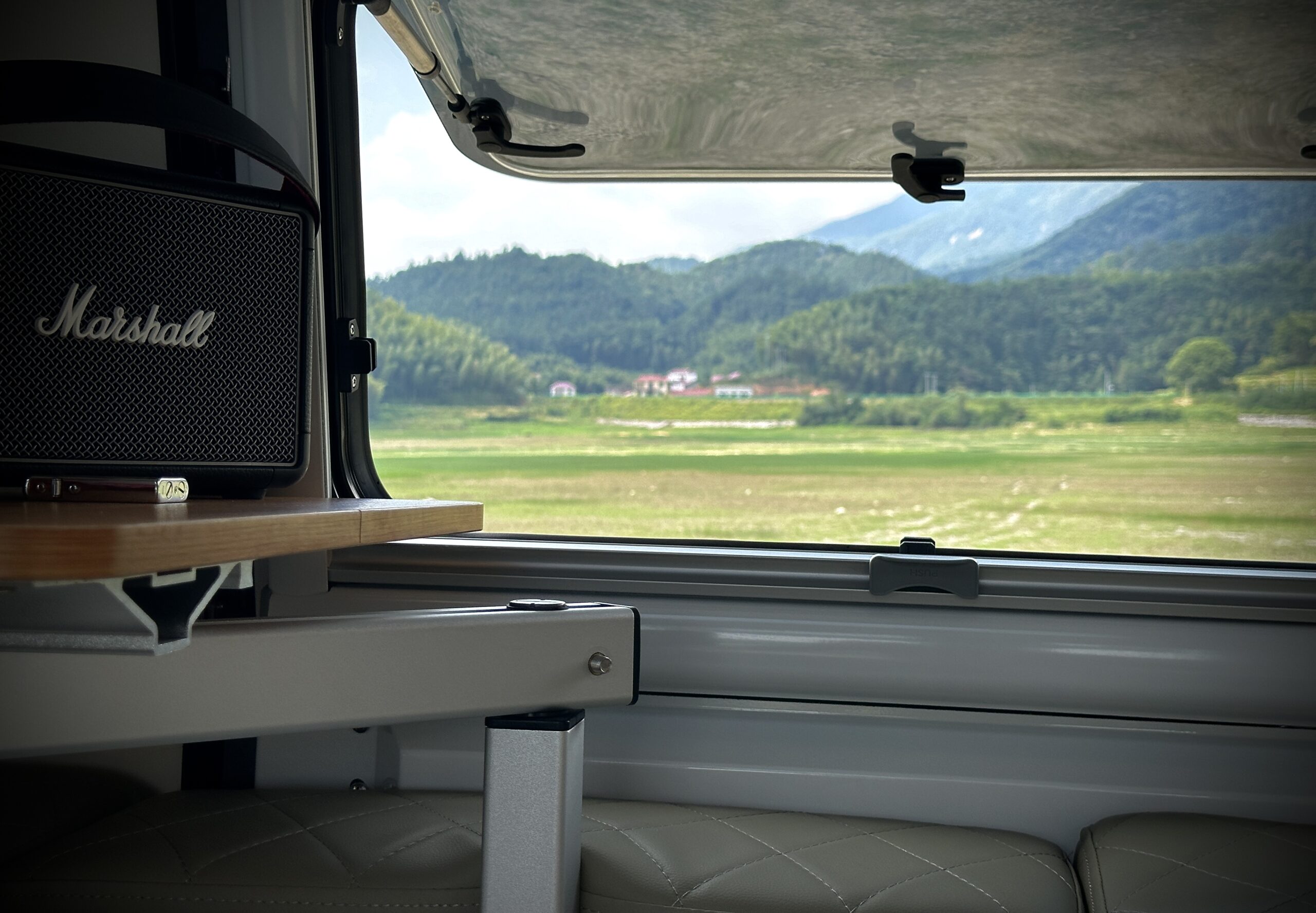
Revolutionizing Adventure Living with Innovative Truck Camper Designs
In recent years, the appeal of truck campers has surged dramatically among outdoor enthusiasts, adventure seekers, and those yearning for the freedom to explore the open road without sacrificing comfort. Truck campers combine the mobility and off-road capability of a pickup truck with the convenience and features of a small yet highly functional living space. This fusion is revolutionizing how people experience travel, camping, and remote work.
The increasing demand for versatile travel solutions has motivated manufacturers, especially leading companies in China, to push the boundaries of camper design. With well-equipped production facilities and advanced engineering processes, these manufacturers produce a diverse range of products including pickup camper boxes, food trailers, and towable mobile restroom and shower trailers. Customization the designs to fit various pickup models ensures that users receive optimal space utilization and convenience irrespective of their specific vehicle.
Understanding Truck Campers: What Are They and Why Choose Them?
A truck camper is a compact, self-contained living unit designed to be mounted on the bed of a pickup truck. Unlike traditional RVs or trailers, truck campers are highly maneuverable and allow for greater access to off-grid and remote destinations. Their design maintains the vehicle’s ground clearance and off-road abilities, making them ideal for exploring rugged terrain.
Truck campers come in several varieties: from small slide-in shells that fit the truck bed to more elaborate units with expandable sections and enhanced amenities. The versatility of truck campers lies in their size and weight, allowing them to be driven without the need for a special license or towing equipment.
Choosing a truck camper offers numerous advantages:
- Mobility and Accessibility: Smaller footprint than trailers means easier navigation of narrow roads, steep inclines, and unpaved trails.
- Quick Setup and Breakdown: Unlike tents or larger RVs, truck campers require minimal time to set up for camping, making spontaneous trips practical.
- Customizability: Manufacturers can tailor camper boxes for specific pickups, ensuring snug fits and optimum utilization of space.
- Cost Efficiency: Generally more affordable than larger motorhomes both in purchase and maintenance costs.
- All-in-One Vehicle: Combines transportation and accommodation, eliminating the need to tow additional units.
Innovations Driving the Modern Truck Camper Market
The truck camper market has witnessed remarkable innovation driven by a blend of customer demand, advances in manufacturing technology, and materials science. Below are some key innovations transforming the camper experience:
1. Lightweight and Durable Materials
One of the greatest challenges in truck camper design is balancing durability with weight management. Heavier campers reduce payload capacity and fuel efficiency, constraining travel options. Recent innovations leverage lightweight composites, aluminum frames, and reinforced plastics to create campers that are rugged yet light enough to preserve vehicle performance.
2. Custom-Designed Camper Boxes for Specific Pickup Models
Leading manufacturers utilize CAD design and precision engineering to build camper boxes that fit the contours and specific dimensions of different truck beds. This customization ensures better weight distribution and improved vehicle handling, as well as maximizing living space within limited footprints. Customers benefit from a perfect fit that enhances safety and functionality.
3. Slide-Out and Expandable Living Spaces
Innovative designs now incorporate slide-out sections that expand when parked, providing additional interior room without altering the driving dimensions. These expandable units often include pop-up roofs or retractable awnings which create more headroom or external sheltered space, respectively. This flexibility makes campers more comfortable for extended stays.
4. Integrated Renewable Energy Solutions
Solar panels and energy-efficient batteries are becoming standard features in modern truck campers. These renewable energy systems allow users to stay off-grid longer, powering appliances, lighting, and electronic devices without relying solely on vehicle engines or external hookups. This focus on sustainability aligns with the eco-conscious traveler’s priorities.
5. Smart Technology and Connectivity
With the rise of remote work and digital nomadism, truck campers now include integrated Wi-Fi routers, mobile hotspots, and smart home systems. These technologies enable remote monitoring of the camper environment, control of lighting or heating, and seamless internet connectivity even in remote locations.
Comprehensive Range of Camper Types and Their Uses
Truck campers are no longer one-size-fits-all. Instead, manufacturers now offer a comprehensive product lineup catering to various lifestyles and purposes:
Pickup Camper Boxes
Pickup camper boxes are modular units designed specifically for the pickup truck bed. They easily mount and detach for flexible use of the vehicle. These units often have essential amenities such as a small kitchen, sleeping space, storage compartments, and sometimes compact bathrooms. Their light weight and custom builds suit daily use and weekend getaways.
Food Trailers
Outdoor events and mobile businesses benefit from food trailers designed to be towed by pickups. These trailers can be outfitted with full kitchens, customer serving windows, refrigeration, and sanitation stations. Their mobility allows food vendors to reach various customer bases and operate in diverse environments.
Towable Mobile Restroom and Shower Trailers
For large events, outdoor work sites, and remote locations, towable restroom and shower trailers provide hygienic facilities where traditional infrastructure is unavailable. These trailers incorporate multiple stalls, water tanks, and waste management systems, and their rugged design ensures durability and ease of transportation.
Customization: Tailoring Truck Campers to Unique Needs
The ability to customize truck campers is a major reason for their popularity. From household comforts to professional setups, customization helps transform truck campers into versatile living or working spaces. Many manufacturers, especially in China, offer bespoke services to tailor camper boxes to clients’ specifications.
Some common customization options include:
- Interior Layouts: Configure kitchens, beds, bathrooms, and storage to match lifestyle preferences or family size.
- Material Choices: Select from a range of durable or luxurious materials for floors, walls, and countertops.
- Appliance Integration: Include refrigerators, induction cooktops, microwaves, air conditioning units, or heaters based on travel conditions.
- Exterior Features: Add awnings, roof racks, solar panels, or ladders for outdoor utility and accessibility.
- Security and Safety: Install locking systems, alarms, or reinforced materials for peace of mind while parked in remote areas.
Choosing the Right Pickup Truck for Your Camper
Selecting a suitable pickup truck is as important as choosing the camper unit. The truck’s payload capacity, bed size, engine performance, and off-road capability must complement the camper’s weight and dimensions.
Popular pickups chosen for campers include Ford F-Series, Chevrolet Silverado, RAM 1500/2500, Toyota Tacoma/Tundra, and Nissan Titan. Manufacturers in China also design camper boxes to fit popular local models to enhance accessibility and optimal fit.
Setting Up and Maintaining Your Truck Camper
Proper use and maintenance extend the life and performance of a truck camper. Below are some essential tips:
Installation
Install the camper using appropriate mounting brackets and tie-downs to ensure stability during travel. Professional installation is recommended to prevent damage or safety risks. Before each trip, verify that the camper is securely attached and balanced.
Regular Inspections
Periodically inspect the camper’s seals for leaks, roofing conditions, electrical systems, and plumbing to catch any issues early. Maintaining the chassis and suspension of your pickup truck also contributes to a safer, smoother ride.
Cleaning and Storage
Keep the interior clean to prevent mold and odors, especially when using a kitchenette or bathroom facilities. When not in use, store the camper in a sheltered area to protect it from harsh weather and UV damage.
The Environmental Impact and Sustainability of Truck Campers
As global awareness surrounding environmental issues grows, many truck camper manufacturers incorporate sustainability into their designs. This includes:
- Using eco-friendly materials and finishes that reduce chemical emissions.
- Incorporating solar power systems to reduce reliance on fossil fuels.
- Designing energy-efficient appliances and LED lighting to conserve power.
- Encouraging responsible waste management with grey and black water holding tanks.
Travelers can embrace sustainable adventures by choosing campers that minimize their carbon footprint and adopting eco-friendly camping practices such as Leave No Trace principles.
Exploring Destinations Perfect for Truck Camper Adventures
The unique advantage of truck campers is their ability to access diverse and sometimes remote locations. Some popular destinations include:
- National Parks: Many national parks offer dispersed camping areas accessible to truck campers, allowing you to experience breathtaking natural wonders.
- Mountain Trails: Rough terrain and narrow mountain roads are ideal for the agility of truck campers, ideal for hiking or fishing trips.
- Beachfront Sites: Coastal camping with easy access to water sports and relaxing shorelines.
- Desert Expeditions: Explore vast open spaces where larger RVs cannot easily traverse.
Future Trends in Truck Camper Industry
Looking ahead, the truck camper industry continues to evolve driven by technological, societal, and environmental trends. Anticipated developments include:
- Advanced Off-Road Capabilities: Integration of electric trucks and advanced suspension systems for better off-road performance.
- Increased Automation: Smart systems for climate control, lighting, and security operating via apps and voice commands.
- Modular and Multi-Purpose Designs: Units that can transform between living space, workspace, or storage depending on need.
- Greater Emphasis on Green Technology: Incorporation of more renewable power sources and sustainable building practices.
Conclusion
Truck campers have reshaped how modern adventurers and travelers approach mobility, outdoor living, and self-sufficiency. Their compact form, combined with innovative features and customizability, makes them uniquely suited for the diverse demands of today’s outdoor lifestyles. From lightweight, durable constructions to renewable energy integration and smart technology, truck campers represent a dynamic blend of freedom, comfort, and sustainability.
Whether you seek weekend escapes, long-distance road trips, or mobile workspaces, a truck camper offers a flexible, functional, and adventurous way to explore the world. As manufacturing advances continue to push new possibilities, these versatile vehicles stand poised to redefine the essence of adventure living for years to come.