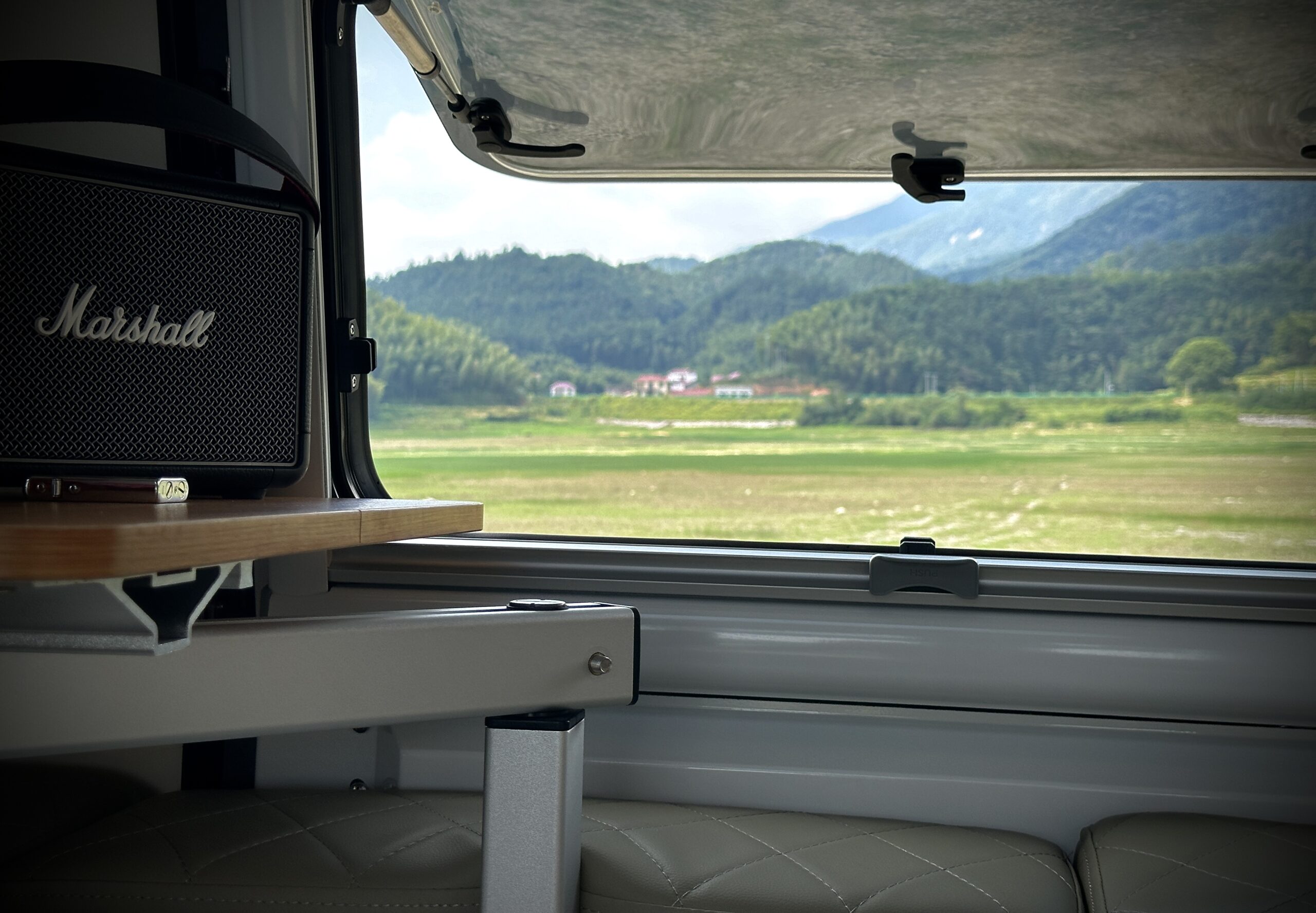
Truck campers have revolutionized the way outdoor enthusiasts and adventurers experience travel and camping. Offering unparalleled flexibility and convenience, these compact living units mounted directly onto the beds of pickup trucks blend mobility with comfort, enabling users to explore remote destinations without sacrificing the comforts of home. In this comprehensive article, we delve into the intricacies of truck campers, exploring their design, advantages, customization possibilities, and practical considerations for prospective buyers and users.
The Evolution of Truck Campers
Originating in the mid-20th century, truck campers were created as an innovative solution for travelers who sought mobility paired with the comforts of a traditional camper. Originally constructed using simple materials and designs, modern truck campers have evolved into sophisticated, well-equipped units featuring state-of-the-art amenities and durable construction materials. Manufacturers continually push design boundaries to enhance functionality while keeping weight and size manageable for a wide range of pickup trucks.
Core Components and Design Features
A typical truck camper consists of a self-contained living space that fits securely within or over the bed of a pickup truck. Despite their compact size, these campers feature cleverly organized areas that maximize utility and comfort. The main components usually include a sleeping area, kitchenette, dining space, bathroom facilities, and storage compartments.
The sleeping area, often in the cab-over section above the truck’s cabin, maximizes space without expanding the camper’s footprint. This elevated berth is accessible via a small ladder or step and can comfortably accommodate two adults. Below and around this sleeping zone, modular kitchen units equipped with compact stoves, sinks, refrigerators, and countertops provide cooking conveniences usually found in larger RVs.
Depending on the model and customization, dining areas convert into extra sleeping or storage spaces. Bathrooms, often integrated with shower facilities, include compact toilets or portable options. Storage solutions are incorporated throughout the camper in the form of cabinets, under-seat bins, and overhead compartments.
Advantages of Choosing a Truck Camper
Truck campers offer numerous benefits that make them an attractive choice for campers, travelers, and digital nomads alike:
- Mobility and Off-Road Capabilities: Mounted on trucks, these campers can access rugged terrains and remote locations that traditional motorhomes or trailers cannot reach. This makes them ideal for outdoor adventurers seeking seclusion.
- Compact Size and Maneuverability: Their smaller size allows them to navigate through narrow roads, urban environments, and tight campsites more easily than large RVs.
- Cost-Effectiveness: Compared to larger motorhomes, truck campers generally cost less to purchase, maintain, and insure. They also typically consume less fuel by leveraging the truck’s existing drivetrain.
- Customizability: Many manufacturers offer custom-built campers tailored to specific truck models or personal preferences, providing buyers unique configurations for their lifestyle needs.
- Detachment Flexibility: Unlike integrated RVs, truck campers can be detached from the truck, allowing the vehicle to be used separately for daily tasks or trips without camper bulk.
Customization and Compatibility
One of the most appealing aspects of truck campers is their adaptability. Buyers can choose from a variety of base truck models—from midsize pickups to full-size heavy-duty trucks—on which to mount their camper. Manufacturers engineer camper boxes to align perfectly with specific truck beds, ensuring secure fitment and maintaining vehicle balance and safety.
Customization options abound, including exterior finishes, insulated walls for varied climates, solar power integration for off-grid electricity, advanced climate control systems, and upgraded appliances. Interior designs accommodate different preferences and lifestyles: from simple minimalist layouts to luxurious appointments with premium materials.
These customizations extend to the inclusion of tow hitches, bike racks, or additional storage compartments. Some owners equip their campers with satellite communication systems or Wi-Fi extenders, enabling connectivity in remote areas.
Choosing the Right Truck Camper: Practical Considerations
Prospective purchasers should consider several key factors when selecting a truck camper:
- Truck Compatibility and Payload: It is vital that the camper’s weight aligns with the truck’s payload and Gross Vehicle Weight Rating (GVWR) specifications. Exceeding these limits can impair safety and performance.
- Living Space Requirements: Evaluating how many people will regularly use the camper affects space allocation, sleeping arrangements, and storage needs.
- Intended Use and Climate: Whether planning travels in extreme weather or mild climates influences insulation, heating, and ventilation features.
- Budget and Maintenance: Balancing desired amenities with financial resources ensures long-term satisfaction and manageable upkeep.
Essential Amenities and Technology
Modern truck campers balance compactness with convenience. Essential amenities typically include: a freshwater system with an onboard tank and pump; electrical systems supporting lighting, outlets, and appliances powered via 12V, 110V, or solar panels; propane tanks for heating, cooking, and sometimes refrigeration; and wastewater holding tanks or portable waste disposal systems.
Technological enhancements facilitate comfort and security. Solar panels with battery banks provide renewable energy, reducing dependence on external power hookups. LED lighting minimizes electricity consumption. Advanced climate control units manage both heating and air conditioning efficiently. Some models feature Wi-Fi boosters or satellite dishes for communication and entertainment.
Advantages of Custom-Built Pickup Camper Boxes
Custom-built pickup camper boxes emphasize tailored solutions by adapting interior layouts and functionalities to the user’s specific truck model and usage preferences. This personalized approach results in enhanced ergonomics, optimized space utilization, and tailored systems that match individual travel patterns—from weekend trips to long-term off-grid living.
Custom designs incorporate materials suited to particular environments, such as reinforced fiberglass for durability or insulated panels for energy efficiency. This approach also permits specialized equipment integration, including off-road vehicle storage, pet accommodations, or dedicated workspaces.
Food Trailers and Mobile Facilities Complementing Truck Campers
Many companies specializing in truck campers also offer related mobile units such as food trailers and towable restroom/shower trailers. Food trailers support culinary entrepreneurs with customizable cooking spaces designed for mobility and compliance with health regulations. Towable restrooms and showers provide convenient sanitation solutions at remote job sites, events, or campgrounds where permanent facilities are unavailable.
These complementary products highlight the versatility and innovative spirit within the mobile living and working industries.
Maintenance and Longevity of Truck Campers
Maintaining a truck camper ensures safety, comfort, and longevity. Recommended practices include:
- Regular Inspections: Check structural components, seals, and fittings for leaks or wear.
- Electrical System Care: Periodically test batteries, solar panels, inverters, and wiring.
- Appliance Servicing: Maintain stoves, refrigerators, heaters, and plumbing fixtures for optimal performance.
- Exterior Upkeep: Clean and protect surfaces to prevent corrosion or damage due to road debris.
- Storage Strategies: Properly winterize or store the camper during off-season to prevent damage.
Being proactive in maintenance not only improves the camper’s usability but also retains its resale value.
Future Trends in Truck Camper Technology
The truck camper industry is continually innovating, driven by advancements in materials science, alternative energy, and smart technology integration. Anticipated trends include:
- Lightweight Composite Materials: Enhanced durability with reduced weight for improved fuel efficiency and payload capacity.
- Expanded Solar and Battery Technologies: Greater energy autonomy for longer off-grid durations.
- Smart Home Features: Remote monitoring and control of environmental systems, security cameras, and appliances via smartphone apps.
- Eco-Friendly Designs: Sustainable manufacturing and environmentally conscious waste and energy management.
- Modular Configurations: Flexible interior components easily reconfigured for diverse activities.
These innovations promise even greater user comfort and environmental responsibility.
Conclusion
Truck campers provide a unique, flexible, and efficient solution for travel enthusiasts who value mobility without sacrificing comfort. Their compact size, off-road capability, and customizability make them perfect for a broad spectrum of users—from weekend warriors to fully remote adventurers. As technology progresses, the truck camper market continues to expand, offering increasingly sophisticated options tailored to individual needs and lifestyles.
Whether you own a pickup truck or are considering purchasing one along with a camper, understanding the broad landscape of truck campers—from design essentials to maintenance and future trends—helps you make informed decisions and maximize your outdoor experiences.