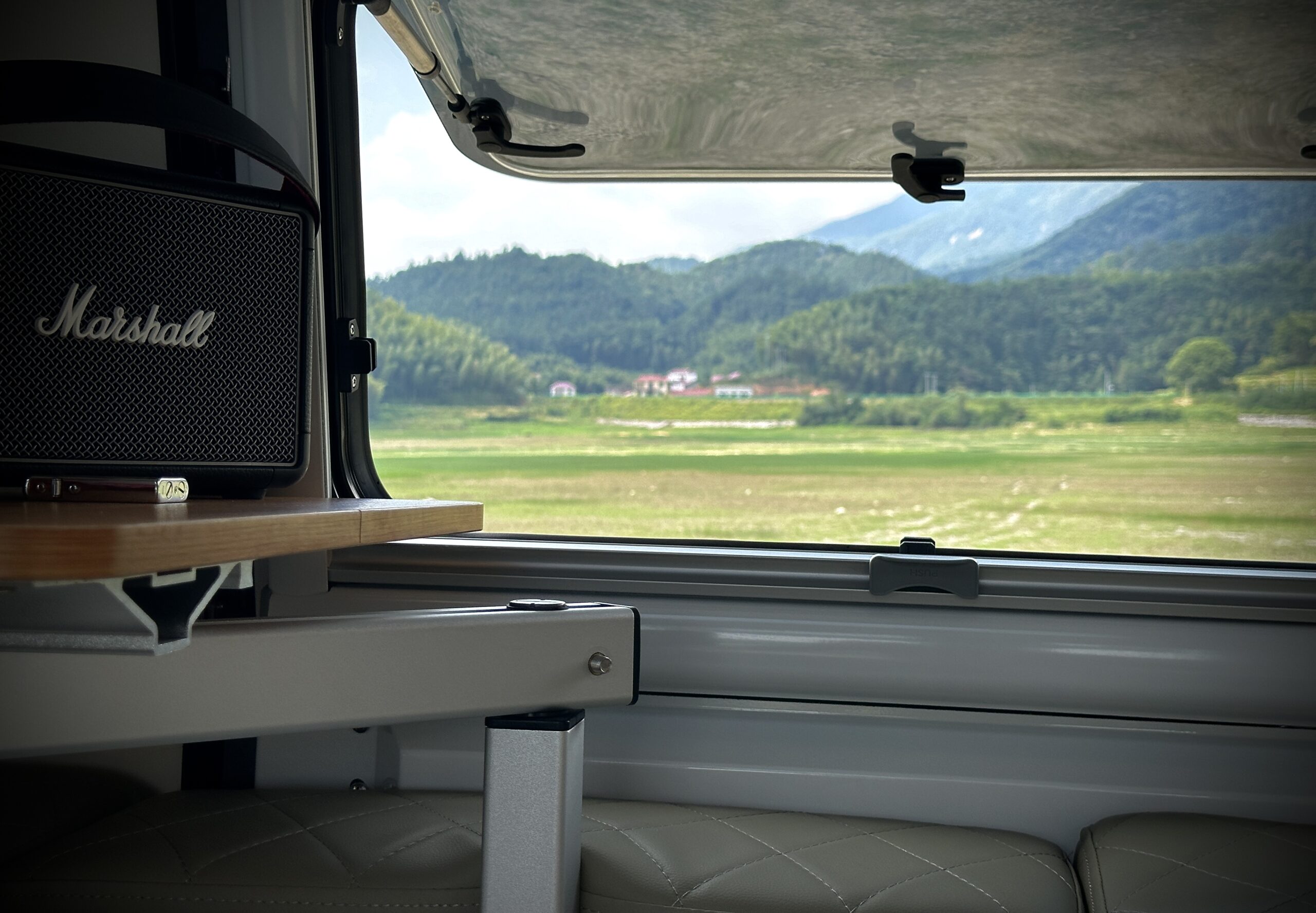
Truck campers have become increasingly popular among outdoor enthusiasts and travelers who seek the convenience and freedom of mobile living combined with the rugged capability of pickup trucks. These versatile vehicles offer a perfect blend of comfort, mobility, and customization, making them ideal for camping trips, road adventures, and even extended overland journeys. In this comprehensive article, we will delve into the world of truck campers, exploring their design, features, benefits, types, customization options, and practical tips for choosing the right setup to fit your lifestyle and vehicle.
Understanding Truck Campers
At its core, a truck camper is a portable living unit designed to be mounted onto the bed of a pickup truck. Unlike traditional RVs, which are often bulky and less maneuverable, truck campers capitalize on the compact dimensions and off-road capabilities of pickup trucks, allowing them to access remote locations with ease.
These campers are typically self-contained, featuring sleeping quarters, cooking facilities, sanitation options, and storage space. Their design focuses on maximizing the utility of limited space while providing the essential amenities necessary for comfortable living on the road.
Key Components and Features of Truck Campers
Modern truck campers come equipped with a range of features tailored to enhance the camping experience. Here are some of the primary components you can expect:
- Sleeping Area: Most truck campers include a dedicated sleeping space, which can range from a simple fold-out bed to a more elaborate queen-size mattress setup, often located in the over-cab or pop-up section.
- Kitchen Facilities: Compact kitchens usually incorporate a stove, sink, mini-fridge, and sometimes a microwave or oven. Though small, these kitchens are designed for functionality and efficient storage.
- Bathroom Amenities: Some truck campers offer portable toilets, showers, or combined wet bath facilities, allowing users to maintain hygiene even in remote areas.
- Storage Space: Efficient storage solutions such as cabinets, drawers, and under-bed compartments help keep essentials organized and accessible.
- Electrical Systems: Advanced electrical setups include battery banks, solar panels, inverters, and power management systems to support lighting, appliances, and charging needs.
- Climate Control: Heating and cooling solutions such as propane heaters, air conditioners, and insulation help maintain livable conditions throughout different seasons.
- Water Systems: Integrated freshwater tanks, grey water tanks, pumps, and filtration systems ensure that campers can carry and manage water effectively.
Advantages of Truck Campers Over Other RV Types
Choosing a truck camper offers several benefits compared to other recreational vehicles:
- Superior Mobility: Truck campers provide the maneuverability of pickup trucks, allowing travel on narrow, rugged, or unpaved roads that are often inaccessible to larger RVs.
- Compact Footprint: Due to their smaller size, truck campers can fit into standard parking spots, garages, and campsites more easily than traditional trailers or motorhomes.
- Detachable Versatility: Many truck campers are removable, meaning you can use your truck independently when the camper is detached, maximizing versatility.
- Off-Road Capability: Being mounted on trucks with four-wheel drive options enables off-road exploration, ideal for adventurous travelers aiming to reach less frequented destinations.
- Customization Possibilities: Truck campers can be custom-built or modified to fit specific truck models and personal preferences, allowing users to tailor their living space to unique needs.
- Cost Efficiency: Compared to large motorhomes, truck campers generally have a lower initial cost, reduced maintenance expenses, and better fuel efficiency.
Types of Truck Campers
Truck campers come in a variety of configurations, each suited to different types of users and adventures. Here are the most common types:
- Standard Truck Campers: These campers fit standard or short-bed trucks and include fixed roofs and solid walls, offering year-round usability.
- Pop-Up Truck Campers: Featuring collapsible roofs or sides, pop-up campers reduce height during travel to improve aerodynamics and parking accessibility, then expand to provide more living space when stationary.
- Slide-In Campers: Designed to slide into the bed of a pickup, these campers maximize interior space but may require mid-size or larger trucks for proper fit.
- Shell Style Campers: Lighter and more minimalist than full campers, shell style units focus on providing sleeping and basic shelter, ideal for short trips or budget-conscious users.
- Camper Boxes: These are compact, hard-sided modules mounted directly into the truck bed, featuring essential amenities and often custom-built to complement specific truck models.
Customization and Tailoring Your Truck Camper
One of the great appeals of truck campers, especially for enthusiasts, lies in their high degree of customization. From expandable interiors to advanced tech integration, here’s how you can tailor your camper:
- Fitment to Vehicle: Manufacturers often design camper boxes or units to match various truck beds, ensuring optimal balance, safety, and aerodynamics.
- Interior Layout: Depending on personal needs, the sleeping arrangement, kitchen setup, and storage can be reconfigured to maximize comfort and efficiency.
- Material Selection: Using lightweight yet durable materials like aluminum, fiberglass, or composite panels can help reduce camper weight and improve fuel efficiency.
- Power Solutions: Custom electrical systems allowing for solar power integration, lithium batteries, and smart energy management offer self-sufficiency and sustainability.
- Off-Road Enhancements: Reinforcements, suspension tuning, and protective features like skid plates or additional lighting make the camper and truck combo more capable in rugged terrain.
- Luxury Upgrades: High-end touches such as LED lighting, premium upholstery, entertainment systems, and advanced climate control can enhance the overall living experience.
- Exterior Modifications: Awnings, roof racks, ladders, and storage boxes improve usability and add to the practical appeal of the camper for extended trips.
Choosing the Right Truck Camper for Your Needs
Selecting the perfect truck camper involves careful consideration of several important factors:
- Truck Compatibility: Assess the size and capacity of your pickup truck to ensure safe and effective mounting. Consult manufacturer specifications for weight limits and dimensions.
- Intended Use: Decide if you’ll primarily use the camper for short weekend trips, long-term travel, off-road adventures, or a combination of these scenarios.
- Budget Constraints: Determine how much you can invest upfront and factor in ongoing maintenance, upgrades, and operational costs like fuel and campground fees.
- Comfort vs. Functionality: Balance your need for creature comforts with the desire for minimalism and ease of mobility, particularly if traveling in remote areas.
- Seasonal Considerations: Think about whether you require insulation, heating, or cooling depending on the climates you plan to explore.
- DIY vs. Ready-Made: Evaluate whether you prefer a factory-built camper box or are interested in constructing or customizing your own.
Setting Up and Maintaining Your Truck Camper
Proper setup and maintenance extend the life of your camper and ensure your travels go smoothly. Here are some guidelines:
- Weight Distribution: Ensure correct weight balance to maintain truck handling and safety. Overloading one side can cause handling issues and premature wear.
- Secure Mounting: Use reliable tie-downs and mounting hardware designed for your camper and truck model to prevent movement during transit.
- Routine Inspections: Regularly check plumbing, electrical components, structural integrity, and seals to avoid leaks and failures.
- Cleanliness: Maintain cleanliness inside and out to prevent mold, corrosion, and pest infestations.
- Battery and Power Care: Manage battery levels, inspect wiring for damage, and keep solar panels clean for optimal energy performance.
- Seasonal Storage: Prepare your camper for storage by draining water systems, disconnecting power sources, and covering the unit to protect it from the elements.
The Future of Truck Campers
Advancements in technology and material science continue to shape the evolution of truck campers. Innovations such as lightweight composites, smart home integration, renewable energy systems, and improved power management promise to make these mobile living spaces even more efficient and comfortable. Additionally, growing interest in sustainable travel is encouraging manufacturers to adopt eco-friendly manufacturing processes and energy solutions.
Furthermore, manufacturers in China and around the world are increasingly offering custom-built camper boxes tailored to specific pickup models. These options improve the fit, safety, and functionality of truck campers, making them a preferred choice for many users seeking reliable and well-engineered camper solutions.
Conclusion
Truck campers provide a unique, flexible, and exciting way to explore the great outdoors while enjoying many of the comforts of home. Their combination of mobility, adaptability, and customizable features makes them an excellent choice for adventurers, families, and anyone who loves the freedom of life on the road. By understanding the different types, features, and considerations involved in choosing and maintaining a truck camper, you can make an informed decision that suits your lifestyle and travel aspirations perfectly. Whether conquering rugged trails, camping by serene lakes, or embarking on cross-country journeys, a truck camper equips you with a reliable, comfortable, and versatile home away from home.