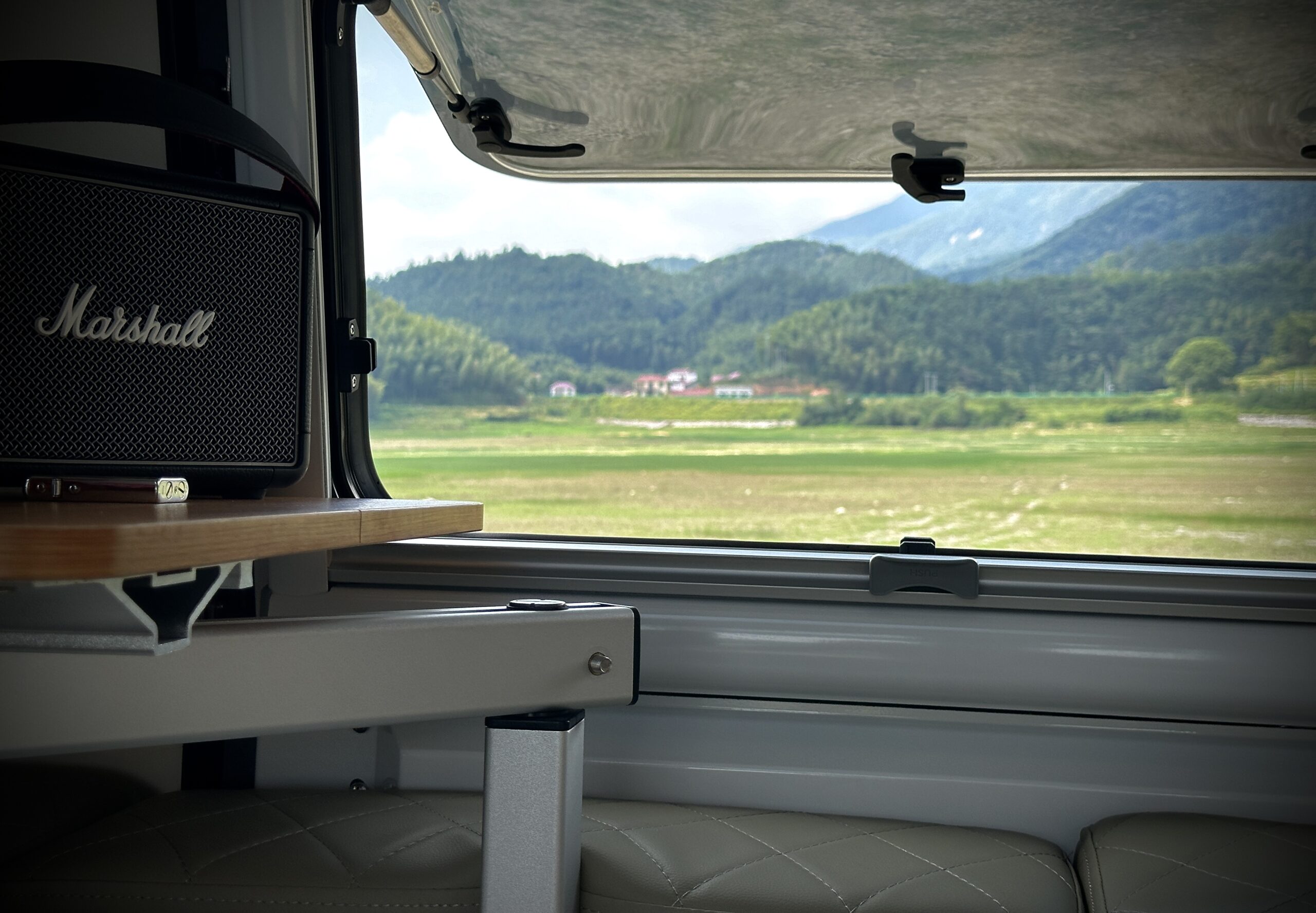
Truck campers have revolutionized the way outdoor enthusiasts explore the wilderness by combining mobility, comfort, and convenience into a single versatile package. Whether you’re a weekend adventurer, a full-time traveler, or someone who simply enjoys the freedom of the open road, truck campers provide a compact solution that transforms your pickup truck into a comfortable mobile home. This article explores the many aspects of truck campers—from their design and functionality to the advantages they offer and considerations you should keep in mind when selecting the perfect model for your needs. With an estimated word count of around 3100 words, we will delve deeply into everything that makes truck campers a must-have for modern explorers.
Introduction to Truck Campers
Truck campers, sometimes known as slide-in campers or cab-over campers, are lightweight living units designed to be loaded onto the bed of pickup trucks. Unlike traditional RVs and motorhomes that require dedicated vehicles, these compact campers utilize the truck’s chassis, resulting in flexibility, better fuel efficiency, and off-road capability. Truck campers first gained popularity in the 1950s and 1960s as an economical and self-contained way for families to travel. Since then, evolving technology and consumer preferences have driven remarkable improvements in camper design, materials, and system integration.
Modern truck campers facilitate a unique lifestyle that enables owners to explore remote backcountry locations inaccessible to larger RVs. They also provide comfortable and functional living quarters equipped with amenities such as kitchens, bathrooms, sleeping quarters, and storage—all within a relatively small footprint. This makes them ideal for explorers who value independence, ruggedness, and the ability to camp without compromising basic comforts.
The Anatomy of a Truck Camper
Understanding the basic components of truck campers helps in evaluating options and recognizing what features best suit your trip style. A typical truck camper consists of the following major elements:
- Cab-Over Section: This is the extended portion that overhangs the truck cab and usually contains the sleeping area. The cab-over design optimizes space by providing a dedicated bed without sacrificing living or kitchen space.
- Main Living Area: This section houses the kitchen, dining area, storage, and sometimes seating or entertainment setups. The design often includes convertible furniture such as fold-away tables and sofa beds to maximize utility within limited space.
- Bathroom Facilities: Many full-featured truck campers include a wet bath or separate shower and toilet compartments. Portable or cassette toilets are also options for more minimalist designs.
- Entry Door: Located at the rear or side, the entry door allows easy access and provides security when the camper is loaded on the truck.
- Utilities and Systems: Truck campers are equipped with electrical systems powered by batteries, solar panels, or shore power connections; fresh and grey water tanks; propane for cooking and heating; and sometimes heating and air conditioning units.
- Structural Features: The camper’s frame is designed for durability and weather resistance, often incorporating fiberglass, aluminum, composite panels, or wood with protective finishes.
Some truck campers also offer slide-out sections, expanding living space when parked, and pop-up roofs that increase headroom or enhance ventilation.
Advantages of Owning a Truck Camper
There are several compelling reasons to choose a truck camper over other types of recreational vehicles, which makes them particularly attractive to certain travelers:
- Ultimate Mobility: Thanks to the relatively small size and rugged build, truck campers can go places larger RVs can’t. Whether navigating forest service roads, dirt trails, or mountain passes, the truck camper combo maintains off-road capabilities.
- Lower Cost of Ownership: Compared to Class A or Class C motorhomes, truck campers are generally less expensive to purchase and maintain. They also consume less fuel, contributing to ongoing savings.
- Flexible Vehicle Use: When the camper is removed, the pickup truck can be used independently for daily chores, work, or recreation. This dual-purpose nature makes truck campers practical for owners who require multifunctional vehicles.
- Compact and Lightweight: Lighter weight means less wear and tear on the vehicle and better fuel economy. It also simplifies storage since the camper can be taken off and stored separately.
- Convenience: The integrated systems and compact layout ensure that everything you need is within arm’s reach, helping users maintain comfort on the road or in remote campsites.
- Community and Support: Truck camper owners often benefit from active communities, online forums, clubs, and manufacturers that provide resources, tips, and camaraderie.
Choosing the Right Pickup Truck for Your Camper
The compatibility between the truck camper and the truck is paramount for safety, performance, and durability. When selecting a pickup truck to pair with your camper, high consideration should be given to the following factors:
- Payload Capacity: This is the maximum weight that the truck can safely carry, including passengers and cargo. Your camper’s dry weight (weight without fluids or gear) plus the expected load must not exceed the truck’s payload rating.
- Bed Size and Dimensions: Different campers fit different bed lengths (short, standard, or long bed) and widths. Ensuring a snug fit optimizes stability.
- Suspension and Axle Strength: Trucks with reinforced suspension systems and heavy-duty axles offer better support for loaded campers, improving driving safety.
- Engine Power and Towing Capacity: A more powerful engine improves performance on inclines or during extended trips. While truck campers don’t tow, having ample torque and horsepower can support safe handling.
- Truck Cab Design: Crew cab trucks may have limitations on camper size because of cab-overhang considerations.
Popular truck models favored for camper compatibility include Ford F-Series, Chevrolet Silverado, Ram 1500/2500, Toyota Tacoma, and Nissan Titan. Consult manufacturer guidelines and camper specifications to ensure the best match.
Popular Types of Truck Campers
The market features various types of truck campers tailored to different uses, preferences, and budgets. Some of the common categorizations include:
- Pop-Up Truck Campers: These campers have roof sections that can be raised when stationary and lowered during travel. Pop-ups are lighter and reduce wind resistance, making them ideal for smaller trucks and efficient driving.
- Hard-Side Campers: Featuring solid walls, windows, and doors, hard-side campers offer maximum protection and insulation. They are typically heavier but more durable and weather-resistant.
- Slide-In Campers: Similar to hard-side campers, slide-in campers fit snugly in the truck bed and are often equipped with slide-out sections for expanded living space.
- Teardrop Truck Campers: Compact and aerodynamic, teardrop campers are minimalist in amenities but suitable for quick trips and lightweight vehicles.
Essential Features to Consider in a Truck Camper
When selecting a truck camper, it’s crucial to consider the features that impact comfort, convenience, and functionality based on your travel habits:
- Sleeping Capacity: Determine how many people will usually be sleeping in the camper. Some models sleep two comfortably, while others accommodate four or more.
- Kitchen Facilities: Look for features such as stovetops, sinks, refrigerators, microwaves, and ample counter space. Portable grills or exterior kitchens can supplement indoor cooking.
- Bathroom Amenities: The presence of a wet bath, dry bath, or even an outdoor shower adds significant convenience.
- Water and Waste Storage: Sufficient fresh water tanks and grey/black water tanks help extend off-grid stays.
- Heating and Cooling: Climate control systems ensure comfort in varying environments. Insulation quality also affects overall comfort.
- Power Systems: Battery capacity, solar charging setups, generators, and 12V/110V outlets provide options for powering appliances and electronics.
- Storage Options: Adequate cabinets, lockers, and space under sleeping areas or seating are essential for equipment and personal items.
- Entry and Security: Sturdy doors with locks and optional security systems safeguard your investment and privacy.
Customization and Upgrades
Many manufacturers and aftermarket companies offer customization options to personalize truck campers. Popular upgrades include:
- Adding solar panels for sustainable off-grid power
- Upgrading to lithium-ion batteries for enhanced energy storage
- Installing heavy-duty suspension kits to improve ride quality under loads
- Incorporating high-efficiency propane heaters or air conditioners
- Installing satellite internet or entertainment systems
- Adding awnings or exterior lighting to extend living space outdoors
- Upgrading interior materials such as cabinetry, flooring, and upholstery to improve aesthetics and durability
Custom builds also allow modifications to fit specialized needs such as pet-friendly designs, certain sports equipment storage, or multi-generational travel accommodations.
Maintenance and Care
Proper upkeep ensures the longevity and performance of your truck camper. Regular maintenance tips include:
- Inspecting seals and roof material to prevent leaks
- Checking plumbing and water systems for clogs or damage
- Maintaining propane systems with leak checks and cylinder inspections
- Cleaning and lubricating door hinges, locks, and slide-outs
- Regularly servicing electrical systems and batteries
- Washing and waxing exterior surfaces to protect finishes
- Storing the camper in a sheltered area or using protective covers when not in use
Many owners find it helpful to develop a seasonal checklist for camper preparation before and after travel periods.
The Lifestyle of Truck Camper Owners
Truck camper ownership often fosters a sense of adventure, independence, and connection with nature. The flexibility to travel spontaneously, camp in remote areas, and tailor experiences to personal preferences is unmatched. Owners appreciate the minimalist lifestyle that encourages organization, resourcefulness, and sustainability.
Social aspects include participation in truck camper rallies, off-road events, and online communities dedicated to sharing experiences and tips. These gatherings allow owners to exchange information about new products, trails, and maintenance techniques.
Environmental Considerations
Truck campers generally have a smaller environmental footprint compared to larger motorhomes due to their smaller size and improved fuel economy. Their ability to camp in dispersed sites reduces dependency on established campgrounds and infrastructure.
Adopting eco-friendly habits enhances sustainability, such as using solar power, minimizing water usage, employing composting toilets, and practicing Leave No Trace principles.
Future Trends in Truck Campers
Industry innovation continues to push truck campers toward lighter materials, smarter designs, and cleaner energy sources. Anticipated trends include:
- Integration of electric powertrains and hybrid trucks for reduced emissions
- Smart home technologies allowing remote control of lighting, temperature, and security
- Advanced insulation materials that extend comfort across climates
- Modular interior designs that offer maximum configurability
- Expansion of solar and renewable energy options to enable longer off-grid travel
- Increased use of eco-friendly and recyclable materials during construction
Conclusion
Truck campers represent a compelling option for those seeking a mobile, comfortable, and versatile home-away-from-home. Their capacity to fit various pickup trucks, combined with robust off-road capabilities, makes them ideal for a broad spectrum of travelers—from weekend warriors to full-time nomads. Understanding the anatomy, advantages, and key considerations provides a solid foundation for selecting the truck camper that perfectly aligns with your travel aspirations and lifestyle.
With continued innovation and a strong community of enthusiastic owners, truck campers are poised to remain a vital segment in the outdoor recreation and adventure travel market for years to come. Whether navigating remote mountain passes or laying over near serene lakeshores, your truck camper delivers the freedom to explore without compromise.