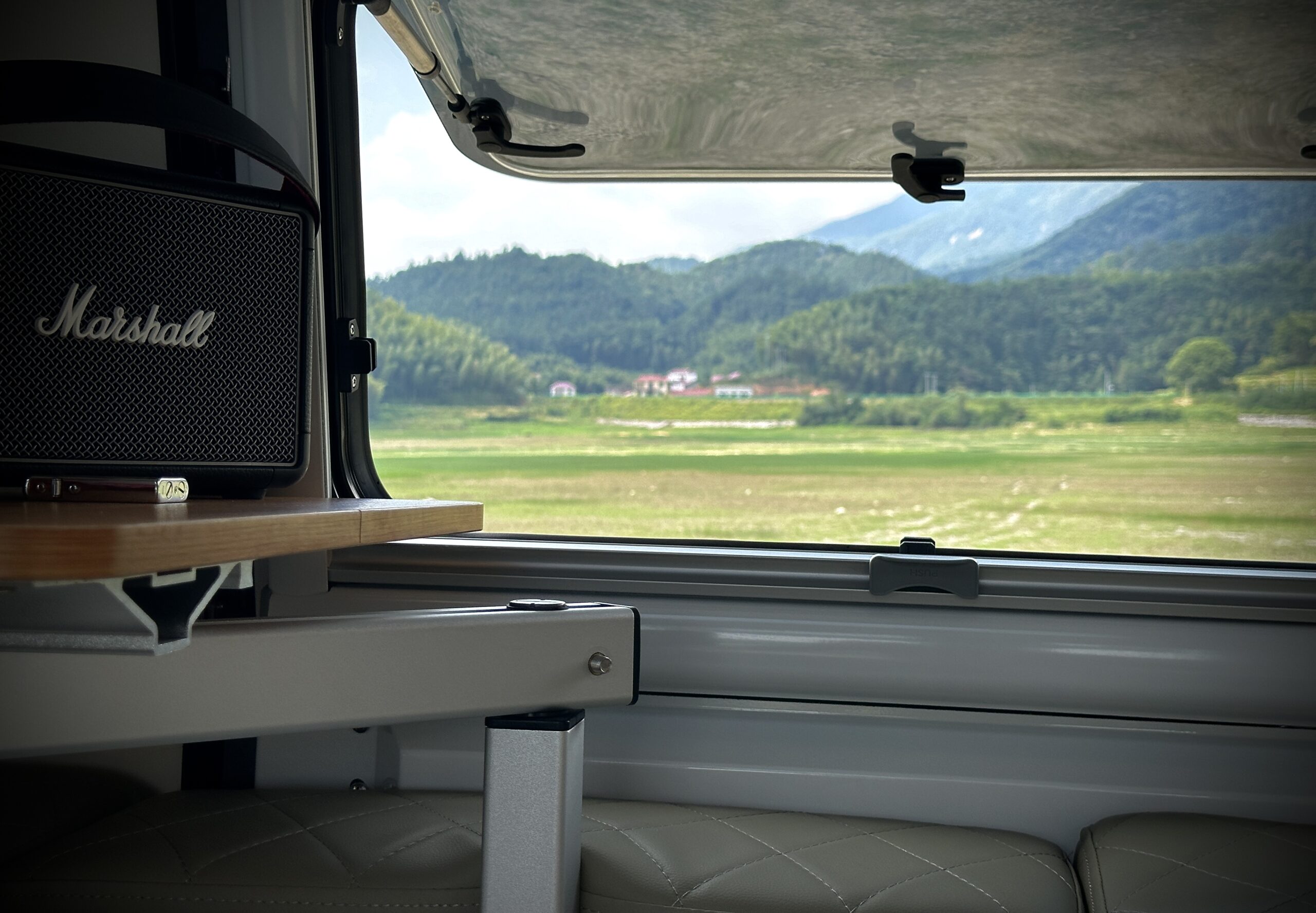
Truck campers have revolutionized the way adventurers and travelers experience the great outdoors, offering unparalleled mobility combined with the comforts of home. As a versatile solution, truck campers are designed to fit snugly into the bed of a pickup truck, transforming the vehicle into a compact mobile living space. This adaptability makes them an ideal choice for individuals seeking freedom on the road, without sacrificing convenience or functionality.
The rise of truck campers comes from a growing desire among outdoor enthusiasts for flexible travel options. Unlike traditional RVs or motorhomes, truck campers do not require a separate towing vehicle, making them highly maneuverable and suitable for terrains where larger vehicles might struggle. From rugged mountain trails to sandy beaches, truck campers provide a robust platform for exploration.
History and Evolution of Truck Campers
Truck campers have been around for decades, with their origins tracing back to early pickup modifications designed to provide sleeping quarters for travelers. Initially, these were simple structures focusing primarily on shelter. However, technological advancements and rising consumer demands have drastically transformed truck campers into highly sophisticated, self-contained living units.
Modern truck campers incorporate a wide array of features, such as insulated walls, integrated kitchens, bathrooms, and even renewable energy sources like solar panels. These developments have widened their appeal, making them suitable not only for weekend trips but also for extended journeys and off-grid living.
Types of Truck Campers
Understanding the different types of truck campers is essential for selecting one that matches your travel style and needs. Broadly, truck campers can be classified into the following categories:
- Pop-up Truck Campers: These models are designed with collapsible sections that extend during camping to increase living space, yet fold down for easy transport. Their compact form when closed results in better fuel efficiency and easier storage.
- Hard Side Truck Campers: Featuring solid walls and fully insulated cabins, hard side campers offer robust protection against weather conditions. They often come with more amenities and greater durability compared to pop-up models.
- Slide-in Truck Campers: These campers slide into the truck bed and are secured, often offering larger interiors with multiple slide-out extensions to expand space when parked.
Each type serves different user needs, from minimalist explorers to families requiring more comprehensive living arrangements.
Features and Amenities in Modern Truck Campers
The appeal of truck campers largely stems from the thoughtful inclusion of residential features matched to the compact design. Let’s explore the common amenities and their functionality:
- Sleeping Quarters: Typically accommodating two to four people, sleeping spaces maximize use of vertical space with foldable or convertible beds, lofts, or bunks.
- Kitchen Facilities: Kitchens in truck campers include compact stoves, sinks, refrigerators, and storage units, crafted to prepare meals efficiently within limited space.
- Bathroom Solutions: Many truck campers integrate wet baths, combining the toilet and shower in one space-saving unit, or offer portable restroom options for flexibility.
- Climate Control: Adequate insulation, built-in heating systems, and ventilation fans help maintain a comfortable environment in extreme weather conditions.
- Power and Water Systems: Advanced campers are equipped with solar panels, battery banks, fresh water tanks, and waste disposal systems to enable off-grid adventures.
Customization plays a significant role, with manufacturers allowing buyers to tailor interior layouts and finishings based on preferences and specific truck compatibility.
Advantages of Using Truck Campers
Truck campers hold several distinct advantages compared to other recreational vehicles:
- Mobility and Accessibility: With compact size and agility, trucks fitted with campers can access remote and narrow locations inaccessible to larger motorhomes and trailers.
- Cost Efficiency: Generally, truck campers are less expensive both to purchase and maintain relative to full-size RVs. Additionally, they incur lower fuel consumption rates.
- Versatility: Users can detach the camper unit and still use the truck independently, which is advantageous for daily driving and specific tasks.
- Off-grid Capability: The combination of power generation and water storage systems allows truck campers to support extended remote stays without reliance on external hookups.
- Compact Storage: When detached, truck campers can be stored separately from the vehicle, freeing up space and reducing wear on the truck itself.
Considerations When Purchasing a Truck Camper
Careful planning ensures that the camper aligns perfectly with your vehicle and lifestyle:
- Pickup Truck Compatibility: Matching the camper to the truck’s size and payload capacity is crucial to maintain safety and performance. Overloading can lead to mechanical strain and potential hazards.
- Weight and Size: The overall weight affects driving dynamics, fuel efficiency, and the ability to navigate tricky roads. Selecting a model under the gross vehicle weight rating (GVWR) is essential.
- Interior Layout and Features: Personal preferences, including sleeping arrangements, kitchen amenities, and bathroom facilities, should be evaluated thoroughly.
- Durability and Build Quality: Materials used in construction, insulation quality, and resistance to weather elements dictate the camper’s longevity and comfort.
- Manufacturer Reputation and Support: Choosing reliable brands with good customer support can prevent issues during ownership and ensure easier access to parts and service.
Engaging with professional dealers and seeking expert advice will streamline the selection process and help avoid costly mistakes.
Popular Brands and Innovations in the Industry
As truck camper demand increases, manufacturers continue to innovate, integrating cutting-edge technologies and improving ergonomics. Leading brands offer a spectrum of models to suit diverse needs, including advanced features like smart energy management systems, proprietary slide-out mechanisms, and eco-friendly materials.
Emerging trends also include the use of lightweight composite materials to reduce overall weight without compromising strength, as well as modular designs enabling easier upgrades and maintenance. The push toward sustainable energy sources, such as enhanced solar capabilities paired with lithium-ion batteries, positions truck campers as a forward-thinking choice for environmentally conscious travelers.
Maintenance and Care Tips for Truck Campers
Maintaining a truck camper extends its lifespan and preserves its value:
- Regular Inspections: Routinely check seals, roofs, and joints for leaks, and inspect mechanical attachments for security.
- Cleaning: Use appropriate cleaning agents for interiors and exteriors and maintain ventilation systems to avoid mold and mildew buildup.
- Battery and Electrical Health: Keep batteries charged, inspect wiring, and update software if applicable.
- Winterization: Properly winterize plumbing to prevent freezing damage during cold seasons.
- Storage: Store the camper in a sheltered, secure location when not in use to minimize weather-related deterioration.
Following these practices helps ensure trouble-free adventures and preserves the camper’s aesthetic and functional integrity.
The Future of Truck Campers
Looking ahead, truck campers will continue evolving in response to technological advances and shifting consumer expectations. The integration of smart home technology, enhanced energy autonomy, and lightweight yet durable construction materials will dominate future designs. Additionally, the expanding market for electric pickups may redefine compatibility standards, requiring campers to adapt for electric vehicle platforms.
The convergence of sustainability, convenience, and innovative design promises to keep truck campers at the forefront of mobile living solutions for years to come.
Conclusion
Truck campers present a unique blend of mobility, flexibility, and comfort, making them an excellent choice for those eager to explore without compromise. From their rich history and versatile types to modern features and practical considerations, understanding the world of truck campers equips buyers and enthusiasts to make informed decisions. Embracing continued innovation, these campers are poised to enrich outdoor experiences and empower adventurous lifestyles across diverse environments.