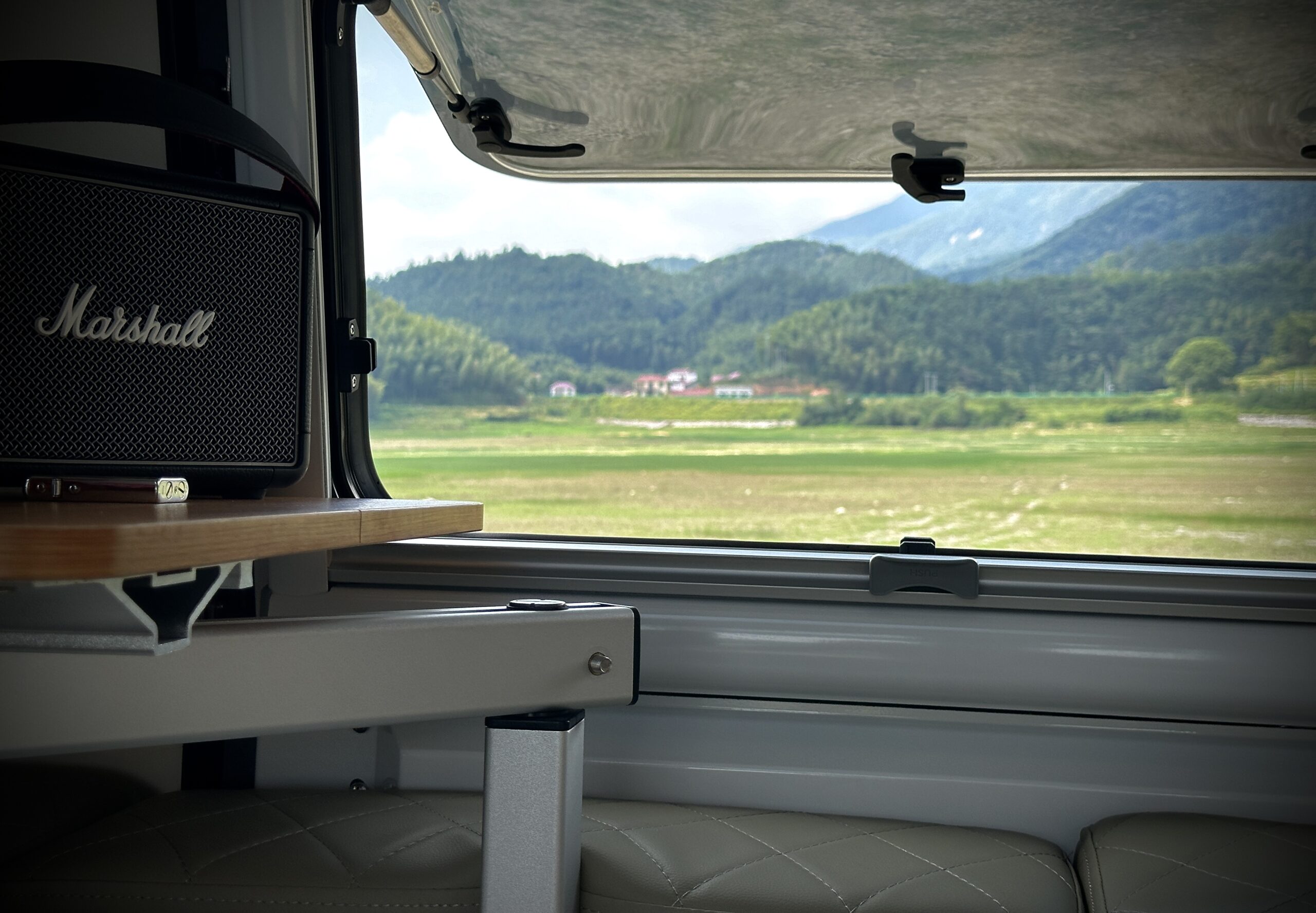
In recent years, the rise of outdoor adventures and off-grid travel has driven significant growth in interest toward truck campers. These versatile vehicles combine the rugged capabilities of pickup trucks with the comforts of a compact mobile home. Truck campers are designed to fit within or onto a pickup truck bed, offering travelers flexibility, mobility, and independence unlike traditional RVs or trailer setups. For adventurers seeking to explore off-the-beaten-path destinations without sacrificing essential amenities, truck campers have emerged as a top choice worldwide.
This article offers a comprehensive look into the evolving world of truck campers, examining key design features, types, benefits, and considerations for choosing or customizing your own camper suited to your lifestyle. We will cover the advantages these vehicles bring to durability, adaptability, and comfort. Additionally, you will find useful insights on maintenance, outfitting, and how to optimize your truck camper experience for various travel styles and destinations.
Understanding Truck Campers: Definition and Overview
A truck camper is a portable living unit designed to mount directly onto the bed of a pickup truck. Unlike traditional RVs that tow behind a vehicle, truck campers integrate seamlessly with the truck itself, allowing for easier maneuverability and off-road capabilities. These campers typically include a sleeping area, kitchenette, storage space, and sometimes a compact bathroom. Modern truck campers often feature expandable sections, slide-outs, or pop-up roofs to increase living space without compromising portability.
Truck campers vary in size and design according to the truck model they are intended for and the user needs. They can be categorized broadly into three types:
- Non-slide: Fixed, solid structures that provide basic accommodations and are generally lighter and simpler.
- Slide-in: Campers with slide-out sections that provide additional interior space when parked but retract for travel.
- Pop-up: Campers with expandable canvas or hard sides that lift up to increase headroom and living space, offering a lightweight option that still maximizes comfort.
Benefits of Owning a Truck Camper
Choosing a truck camper presents a variety of compelling advantages, especially for adventurers and travelers who crave independence combined with convenience. Key benefits include:
Mobility and Off-road Capability
Because truck campers mount directly onto a pickup truck chassis, drivers maintain full access to the truck’s drivetrain and off-road capabilities. This is especially beneficial for traveling on rough terrains such as mountainous regions, deserts, forests, or unpaved roads that traditional motorhomes cannot navigate.
Compact and Efficient Design
Truck campers are more compact than large RVs, making them easier to park, maneuver in urban settings, and store when not in use. Their smaller size also tends to improve fuel efficiency compared with towing trailers or driving large motorhomes.
Customizability
Many truck campers can be custom-built or modified to meet specific user preferences. Whether it is adding solar power systems, refrigerators, water tanks, showers, or upgraded sleeping arrangements, custom designs allow owners to tailor their camper to their unique needs.
Cost-effectiveness
Compared to large Class A or Class C motorhomes, truck campers typically cost less upfront and often have lower maintenance and storage costs. Additionally, the ability to detatch the camper from the truck allows the vehicle to be used as a daily driver independent of the camper.
Environmental Considerations
Because of their smaller footprint and lighter weight, truck campers can exert less environmental impact both in fuel consumption and in reducing their presence at campsites. Users can also incorporate eco-friendly features such as composting toilets, solar panels, and energy-efficient appliances.
Key Design Features and Innovations in Truck Campers
Leading manufacturers and custom builders have introduced numerous innovative features to elevate truck camper design and livability. Some of the noteworthy advancements include:
Lightweight Materials
Advanced construction techniques employing lightweight composites, aluminum framing, fiberglass panels, and insulated foam cores have drastically reduced camper weight without sacrificing durability or comfort. This helps preserve truck payload capacity and enhances fuel efficiency.
Modular Interiors
The use of modular and multi-functional components optimize space usage inside the camper. Fold-away beds, convertible seating, and compact kitchen modules allow users to dynamically transform the interior based on need, maximizing usable space while maintaining comfort.
Enhanced Insulation and Climate Control
Modern campers include superior insulation, heated floors, double-pane windows, and selective ventilation to ensure comfort in extreme weather conditions. Some may also feature compact air conditioning units or diesel heaters to extend usability to all seasons.
Renewable Energy Integration
Solar panels, lithium battery systems, and efficient power management technology enable off-grid electrical supply for extended periods. This allows users to camp remotely without dependence on external power hookups.
Bathroom and Shower Facilities
Compact wet baths, cassette toilets, and portable showers are increasingly common, offering users convenient hygienic facilities without adding excessive weight or space requirements.
Expandable Living Areas
Slide-outs and expandable awnings provide additional living or outdoor shaded space, enhancing comfort during extended stays. Some campers also incorporate rooftop decks or ladder access to maximize the use of vertical space for recreation or observation.
Choosing the Right Truck Camper for Your Needs
Selecting an appropriate truck camper involves evaluating several factors related to vehicle compatibility, travel habits, desired amenities, and budget.
Truck Compatibility and Payload
You must select a camper that matches the payload capacity of your truck. Overloading can result in safety issues, poor vehicle handling, and potential structural damage. The truck’s make, model, bed length, and axle strength influence which campers will fit securely and optimally.
Intended Use and Travel Style
Do you plan short weekend trips or extended off-grid expeditions? Will you be traveling solo, as a couple, or with family? The answers affect the size, layout, and features needed. For instance, solo travelers might prefer compact pop-up campers, whereas families require larger slide-outs with multiple sleeping spaces.
Essential Amenities and Comfort Requirements
Consider which amenities are non-negotiable, such as kitchen capacity, hot water supply, heating, or storage. Balancing these desires with available space and weight limits will help narrow down choices.
Budget Constraints
Truck campers come in a wide range of prices, from affordable basic models to luxury custom builds. Factor in additional costs such as installation, outfitting, insurance, and potential vehicle upgrades.
Resale Value and Brand Reputation
Choosing reputable brands or manufacturers with strong customer support can provide peace of mind and better resale value if you decide to upgrade or sell your camper in the future.
Maintaining and Outfitting Your Truck Camper
Proper maintenance and thoughtful outfitting are critical to ensuring your truck camper remains comfortable, reliable, and safe over many adventures.
Routine Inspection and Maintenance
Regularly inspect seals, the roof, electrical connections, plumbing, and mechanical fasteners to prevent leaks, rust, or component fatigue. Cleaning and lubricating moving parts will extend lifespan and functionality.
Power and Water Systems
Monitor battery charge levels and water tank capacity before each trip. Consider upgrades such as solar kits, water filtration systems, and energy-efficient appliances to enhance autonomy.
Weight Management and Load Distribution
Even distribution of gear and supplies is vital for safe handling. Use storage compartments wisely and avoid carrying unnecessary weight. Monitor payload during loading.
Safety Features
Install smoke and CO detectors, fire extinguishers, and ensure all electrical systems adhere to safety codes. Keep first aid supplies accessible.
Popular Destinations and Uses for Truck Campers
Thanks to their versatility, truck campers open up a wide range of travel opportunities:
Off-road Expeditions and Overlanding
The compatibility with 4×4 trucks enables access to remote regions such as desert canyons, mountain trails, and forest backcountry. Truck campers serve as a secure base camp for overland expeditions spanning days or weeks.
National Park and Wilderness Exploration
Many national parks have strict regulations on where large RVs can park. Truck campers offer a compact alternative that allows visitors to stay closer to trailheads and immerse themselves in nature.
Event and Festival Camping
For outdoor events, festivals, or sporting competitions, truck campers provide a convenient and comfortable accommodation option that can be quickly deployed and packed away.
Seasonal Retreats and Long-term Living
Some users convert truck campers into semi-permanent mobile homes for seasonal work or extended travels, benefiting from their mobility and self-contained amenities.
Future Trends in Truck Camper Innovations
The truck camper industry continues to evolve, driven by advancements in technology and changing consumer preferences. Emerging trends likely to shape the market include:
- Smart Technology Integration: Voice-activated controls, smart climate management, and remote monitoring systems for enhanced convenience and security.
- Eco-friendly Materials: Use of recycled and sustainable building materials to reduce environmental impact.
- Improved Modular Customization: More interchangeable interior components allowing owners to reconfigure their living spaces easily.
- Enhanced Lightweight Solutions: Further reduction of overall weight through the use of carbon fiber and other ultra-light composites.
- Expanded Solar and Battery Technology: More efficient renewable energy systems for longer off-grid stays without compromising power needs.
Conclusion
Truck campers represent a unique blend of ruggedness, convenience, and customization that appeals to outdoor enthusiasts seeking freedom and comfort on their travels. From the innovative use of lightweight materials to the integration of modern amenities, today’s truck campers provide an effective alternative to bulky RVs and trailers. Whether your goal is to explore remote wilderness, participate in seasonal events, or simply enjoy weekend getaways with flexibility, investing in the right truck camper can transform the way you experience adventure.
When selecting your truck camper, consider the compatibility with your vehicle, your travel style, and the features that matter most to you. Regular maintenance and thoughtful outfitting will ensure your camper remains reliable and comfortable no matter where the road takes you. By staying informed on the latest trends and innovations, you can capitalize on the evolving technology to enhance your journeys.
Ultimately, a well-designed truck camper gives you the freedom to explore with confidence, blending mobility with the comforts of home to make every trip a memorable one.