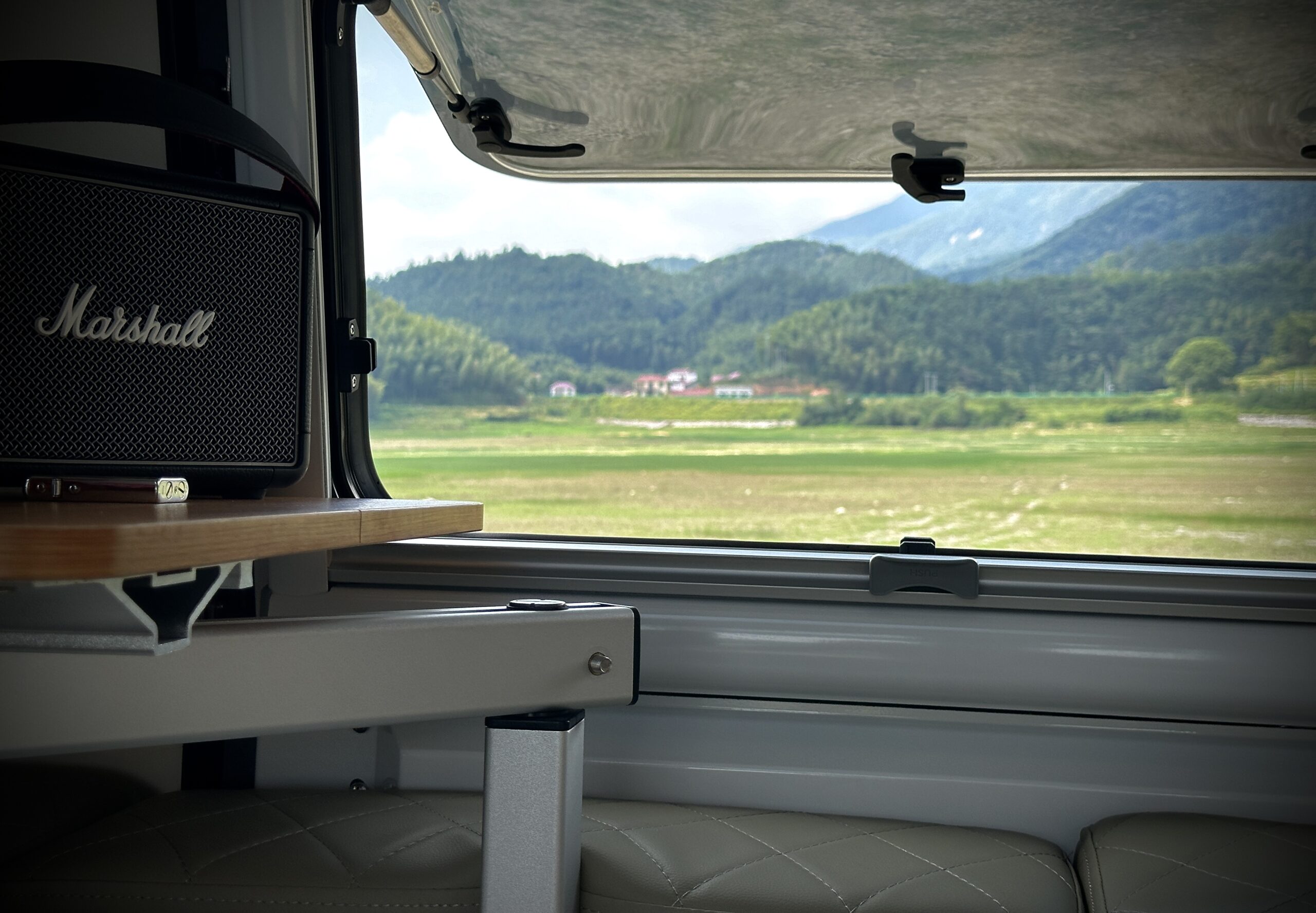
Truck campers have revolutionized the way outdoor enthusiasts and travelers approach their adventures, offering unparalleled freedom and flexibility. These versatile mobile living spaces can transform any pickup truck into a comfortable and fully functional home on wheels, making exploring remote locations more accessible than ever. In this comprehensive article, we delve into the world of truck campers, providing an in-depth look at their design, features, benefits, types, and tips for choosing the perfect unit to suit your lifestyle and needs.
What is a Truck Camper?
A truck camper is a compact, detachable living space designed to be loaded onto the bed of a pickup truck. Unlike traditional RVs or motorhomes, a truck camper does not have its own propulsion system; instead, it relies on the truck for mobility. This design allows users to combine the power and off-road capabilities of a pickup with cozy, functional living quarters.
Truck campers come in various sizes and layouts, offering amenities similar to those found in larger RVs, including sleeping areas, kitchenettes, storage, and even bathroom facilities. The key advantage lies in their compactness and modular versatility, which allow for more manageable travel and parking, as well as the ability to detach the camper and use the truck independently.
Key Features and Amenities
Modern truck campers are equipped with an array of features that make extended trips comfortable and hassle-free. While offerings vary depending on the camper’s size and price range, most truck campers include the following amenities:
- Sleeping Quarters: Generally, a dedicated bed area designed to comfortably accommodate two or more people. This can be a slide-out bunk, dinette conversion, or a fixed bed platform.
- Kitchenette: A small kitchen space with essentials such as a stove, sink, refrigerator, and storage for utensils and food. Some models include microwave ovens or even compact ovens.
- Bathroom Facilities: Depending on the size, some campers incorporate wet baths with showerheads and toilets, while more compact units may rely on portable or exterior restroom solutions.
- Climate Control: Air conditioning units and heating systems help maintain a comfortable interior temperature regardless of external weather conditions.
- Power Systems: Solar panels, batteries, and inverters provide off-grid power capabilities, enabling users to run appliances and electronics away from traditional power sources.
- Storage Solutions: Efficient use of space is crucial in truck campers. Built-in cabinetry, under-bed compartments, and external storage bins keep personal belongings organized.
- Safety Features: Fire extinguishers, smoke detectors, and carbon monoxide alarms are standard to ensure occupant safety.
Benefits of Truck Campers Over Other RV Types
Truck campers have seen growing popularity, especially among adventurers who seek a balance between mobility, comfort, and affordability. Some of the main advantages of truck campers include:
- Maneuverability and Off-Road Capability: Pickup trucks typically have better access to rugged terrains compared to larger RVs. This makes them ideal for remote camping or exploring national parks and wilderness areas.
- Detachable Living Space: Unlike motorhomes, truck campers can be detached from the truck, allowing for flexible vehicle use and independent errands while setting up a base camp.
- Compact Size: Easier to park and store, truck campers fit into standard parking spaces and require less maintenance space.
- Fuel Efficiency: Combining the truck’s efficiency with a lightweight camper often results in better fuel economy than towing a heavy travel trailer or driving a large motorhome.
- Cost-Effectiveness: Generally, truck campers are more affordable upfront and carry lower maintenance costs.
Types of Truck Campers
Truck campers come in several configurations, each tailored to different preferences and truck sizes. Here is an overview of the common types:
1. Slide-In (Cabover) Campers:
The most traditional style, these campers slide into the bed of a truck and over the cab. Slide-ins usually have an overhead sleeping area located above the truck cab and a living area behind it. This design optimizes space but adds weight and requires a compatible truck bed size.
2. Pop-Up Truck Campers:
These campers feature collapsible roofs or side walls that expand when parked, providing additional headroom and living space without increasing driving height. Pop-ups are typically lighter and offer easier truck bed access but may have less insulation.
3. Hard-Side Truck Campers:
Offering better insulation and weather protection, hard-side campers are constructed with rigid walls and roofs. They tend to be bulkier and heavier but provide improved durability and year-round usability.
4. Teardrop Truck Campers:
These streamlined and aerodynamic units attach to the truck and often provide minimal overnight accommodations, focusing on lightweight and sleek design. They usually lack kitchen and bathroom facilities but are ideal for short trips or minimalist travelers.
Choosing the Right Truck Camper
Selecting a truck camper involves considering various factors relating to your truck’s dimensions, intended usage, budget, and personal requirements. Follow these guidelines to make an informed decision:
- Know Your Vehicle: Measure your truck bed properly, and understand its payload capacity to ensure safe loading and operation of the camper.
- Assess Your Needs: How many people will typically use the camper? What level of amenities do you desire? Will you be traveling primarily in summer or year-round, necessitating insulation and heating?
- Consider Weight and Balance: Overloading your truck can compromise safety and vehicle integrity. Opt for lightweight materials if your truck has limited payload rating.
- Don’t Overlook Storage: Adequate storage for gear, supplies, and personal items is crucial for extended trips.
- Plan for Off-Grid Access: If you intend to camp without hookups, ensure the camper supports solar power, ample battery capacity, and water storage.
- Inspect Quality and Warranty: Choose reputable manufacturers and verify product warranties and after-sales support.
Installation and Maintenance Tips
Proper installation and regular maintenance contribute significantly to the longevity and performance of a truck camper.
Installation:
- Use appropriately rated tie-downs and turnbuckles to secure the camper firmly to the truck bed.
- Ensure weight distribution is balanced to avoid undue strain on the truck’s suspension and enhance driving stability.
- Recalibrate the truck’s mirrors and suspension after loading to accommodate changes in driver visibility and vehicle handling.
Maintenance:
- Check seals and roofing periodically to prevent leaks and water damage.
- Inspect electrical systems and battery health regularly.
- Clean and sanitize water tanks and plumbing for safe drinking water.
- Monitor tires for wear and load capacity.
- Maintain the truck alongside the camper to ensure overall vehicle reliability.
Popular Brands and Innovations in Truck Campers
The truck camper market is continuously evolving with advances in materials, design, and technology:
- Lightweight Composites: Manufacturers now use fiberglass, carbon fiber, and high-strength plastics to reduce weight without sacrificing durability.
- Energy Efficiency: Solar panels integrated into the camper’s roof and advanced battery systems allow longer off-grid stays.
- Smart Home Integrations: Some campers include app-controlled lighting, temperature, and security systems.
- Modular Interiors: Flexible furniture and slide-outs maximize space efficiency.
- Custom Build Options: Many companies offer tailor-made camper boxes compatible with various truck models, ensuring a perfect fit and personalized features.
Leading manufacturers include Four Wheel Campers, Lance Camper, Alumascape, and our company, which specializes in high-quality custom pickup camper boxes, food trailers, and towable restrooms designed to meet diverse customer requirements.
Living the Truck Camper Lifestyle
Owning a truck camper opens doors to experiential travel and spontaneous adventures. Whether you’re weekend camping near a lake, traversing mountain trails, or embarking on a cross-country journey, the mobility and self-sufficiency offered by truck campers provide a unique sense of freedom.
Communities and online forums dedicated to truck camper owners foster knowledge sharing, event meetups, and tips on maintenance and travel routes. This camaraderie enriches the experience and helps newcomers acclimate to this exciting lifestyle.
Conclusion
Truck campers represent a smart, adaptable solution for travelers seeking comfort combined with rugged mobility. Their versatile design, coupled with innovative features and customizable options, cater to a broad range of needs and preferences. Understanding the different types, key features, and considerations for ownership is essential for making an informed choice that enhances your outdoor experiences.
With well-equipped production capabilities and a commitment to quality, companies offering custom-built truck camper boxes and related mobile units ensure that adventurers get products designed to fit their specific trucks and tailored to their unique lifestyle needs. Embracing a truck camper lifestyle means embracing the spirit of adventure, convenience, and comfort—all on your terms.