Truck campers have become increasingly popular among outdoor enthusiasts and travelers seeking a flexible and compact option for exploring the great outdoors. Combining the mobility of a pickup truck with the practicality and comfort of a small living space, truck campers offer unique advantages that larger RVs and trailers cannot match. This comprehensive article explores the concepts, types, features, benefits, and considerations of truck campers, providing valuable insight for anyone interested in this innovative form of mobile living.
What Is a Truck Camper?
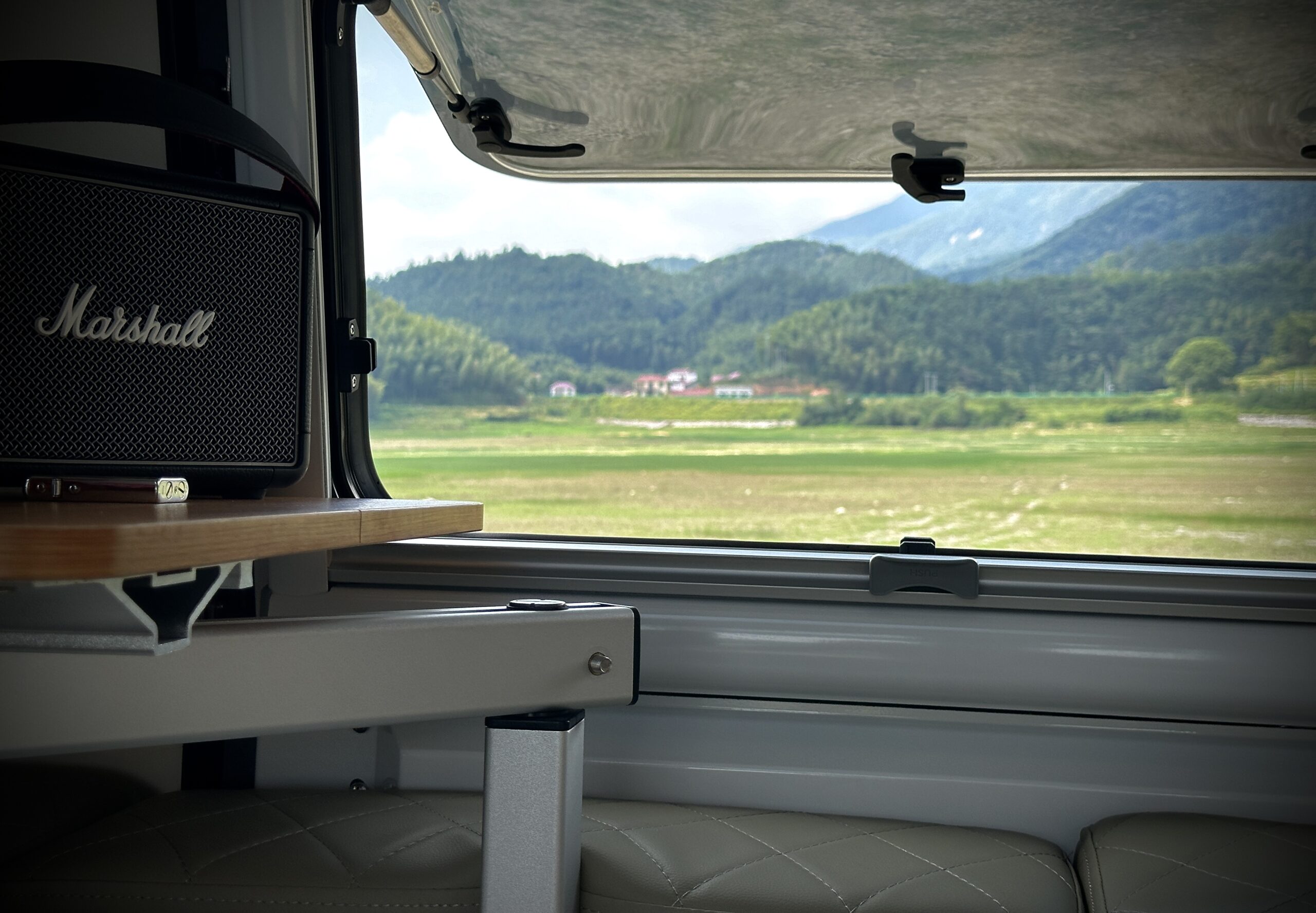
A truck camper is a unit that fits into the bed of a pickup truck and functions as a mobile living space. Unlike travel trailers or motorhomes, the camper is detachable from the vehicle, giving owners flexibility in how they use both truck and camper separately. The camper typically includes sleeping quarters, a small kitchen, storage areas, and sometimes a bathroom or restroom facilities. This compact design concentrates essential amenities into a relatively small footprint, making it ideal for off-road adventures and camping in remote locations where larger RVs might struggle to reach.
Types of Truck Campers
Truck campers come in various styles and configurations to match the needs of different users and truck models. Here are some of the common types:
1. Traditional Truck Campers: These are classic designs with a raised sleeping area over the truck cab, providing a cozy nook for rest. They usually have a kitchen area, a small dinette, and basic storage.
2. Slide-In Campers: These campers slide into the truck bed and often have extendable sections or slide-outs to increase living space when parked.
3. Hard-Side Campers: Featuring rigid walls and roofs, these campers offer better insulation, weather resistance, and security compared to soft-sided camper designs.
4. Pop-Up Campers: Lightweight and practical, pop-up truck campers collapse for easy transport but expand when stationary to add headroom and usable space.
5. Off-Road Truck Campers: Built with rugged materials and designed to withstand extreme conditions, these campers feature reinforced frames, all-terrain tires, and enhanced suspension compatibility.
Key Features of Modern Truck Campers
Today’s truck campers are equipped with increasingly sophisticated features to improve comfort, convenience, and livability. Some of the notable features include:
Compact Kitchens: Equipped with mini refrigerators, propane stoves, microwaves, and sinks, these kitchens enable basic meal preparation with limited space usage.
Sleeping Arrangements: Comfortable beds with foam or memory foam mattresses often fold or slide away to maximize daytime space.
Bathroom Facilities: Some advanced models come with enclosed wet baths or cassette toilets that provide privacy and sanitation while on the road.
Storage Solutions: Integrated cabinets, overhead compartments, and under-bed storage maximize utility in the confined space.
Electrical Systems: Many campers come with solar panels, rechargeable batteries, and LED lighting to support off-grid living.
Climate Control: Vent fans, insulation, and sometimes small heaters or air-conditioning units maintain comfort in different weather conditions.
Advantages of Choosing a Truck Camper
There are numerous benefits that attract individuals to truck campers over other types of recreational vehicles:
Versatility and Mobility: Since the camper is mounted on a pickup truck, it allows for easy maneuverability on narrow roads, byways, and rough terrain where larger RVs might be restricted.
Detachable Living Space: The ability to remove the camper allows the truck to be used separately for other purposes, saving money and enhancing the vehicle’s utility.
Cost-Effectiveness: Truck campers tend to be more affordable than fifth wheels or Class A motorhomes, both in initial purchase price and ongoing maintenance.
Improved Fuel Efficiency: The smaller size and lighter weight compared to large RVs result in better gas mileage, making extended travel less expensive.
Off-Road Access: Many truck campers are designed for off-road use, allowing users to camp in more secluded and less crowded locations.
Compact and Easy Storage: When not in use, a truck camper can be stored in a typical driveway or garage space, whereas travel trailers usually require additional storage facilities.
Considerations Before Buying a Truck Camper
Despite many advantages, there are important factors potential buyers must evaluate to ensure the camper fits their needs and vehicle specifications:
Truck Compatibility: It is critical that the camper matches the size and payload capacity of the truck. Overloading a vehicle can cause safety hazards and mechanical damage.
Weight Limits: Consider the dry and wet weight of the camper as well as the truck’s suspension, tires, and brakes. Always consult the manufacturer specifications and professional guidance.
Living Space and Comfort: Camper interiors are compact by nature, so evaluate which amenities are essential and which can be sacrificed. The number of occupants, duration of trips, and activity plans will influence choices.
Budget Considerations: Factor in not only the camper’s price but also accessories, modifications, maintenance, and insurance costs over the camper’s lifespan.
Access and Setup: Some truck campers require mechanical or manual jacks for mounting and removal. Assess whether the process is manageable personally or requires additional equipment and assistance.
Customization and Accessories
Many truck camper manufacturers and aftermarket providers offer customization options and accessories to enhance functionality and tailor the camper to individual lifestyle preferences:
Custom Camper Builds: Custom-fit campers made to exact specifications based on pickup model and desired layouts are popular, allowing for efficient use of space and optimized weight distribution.
Solar Power Systems: Installing flexible solar panels and upgraded batteries can improve off-grid capabilities for longer durations without electrical hookups.
Awning and Outdoor Gear: Retractable awnings provide shade and shelter, and external storage racks accommodate bicycles, kayaks, or extra fuel tanks.
Heating and Cooling Units: Aftermarket portable air conditioners or diesel heaters ensure comfort in extreme climates.
Connectivity Solutions: Satellite internet, cellular signal boosters, and onboard routers facilitate connectivity for remote work or leisure.
Popular Brands and Market Trends
Several reputable manufacturers specialize in truck campers, offering a spectrum from economical to luxury models. Some notable brands include Lance, Northstar, Host, Arctic Fox, and Four Wheel Campers. Innovations in lightweight materials such as carbon fiber composites and aluminum frames help reduce weight without sacrificing durability.
Additionally, the growing interest in sustainable, minimalist living and van life culture has driven market expansion. Modern truck campers often incorporate environmentally conscious designs, such as solar panels, low-consumption appliances, and eco-friendly insulation materials.
Maintenance and Care
Maintaining a truck camper is essential to ensure safety and longevity. Regular checks should include:
- Inspecting seals around windows and doors to prevent leaks
- Cleaning and lubricating mechanical parts such as jacks and slide-outs
- Maintaining electrical wiring and battery health
- Inspecting propane systems for leaks and function
- Caring for roof membranes and exterior surfaces to avoid deterioration from UV and weather
Storing the camper in a covered, dry place when not in use minimizes wear and extends the life of materials.
Conclusion
Truck campers offer an exceptional way for adventurers to enjoy the freedom of the open road with the convenience of home-like amenities in a compact, versatile design. By understanding the types available, key features, advantages, and important considerations when purchasing, prospective buyers can make informed decisions that align with their travel goals and lifestyle preferences. Whether maximizing off-road capabilities or seeking comfortable weekend getaways, truck campers continue to thrive as a favored solution for mobile living enthusiasts worldwide.
As technology advances and customization options grow, truck campers are well-positioned to meet the evolving demands of modern travelers, providing mobility, flexibility, and the joy of discovery on one’s own terms.