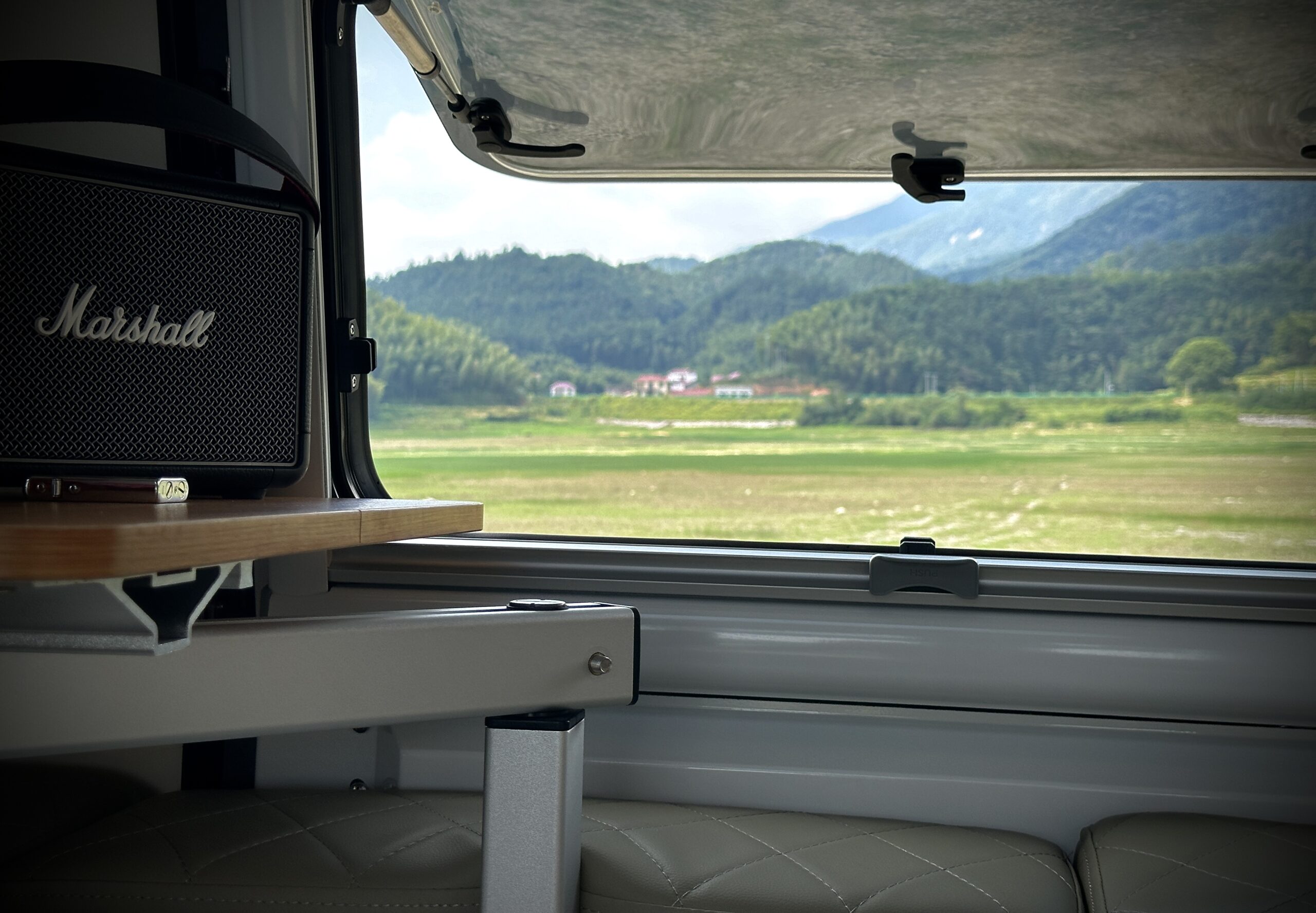
Truck campers have revolutionized the way outdoor enthusiasts experience travel and adventure. Combining the mobility of a pickup truck with the comfort and convenience of a living space, truck campers offer unparalleled freedom to explore remote destinations without sacrificing essential amenities. This article dives deep into the world of truck campers, exploring their history, types, benefits, considerations for purchase, customization options, maintenance tips, and popular use cases, helping you understand why they are becoming increasingly popular among adventurers worldwide.
The Evolution of Truck Campers
The concept of mobile living is not new. From the earliest caravans and wagons to modern recreational vehicles (RVs), humans have long sought ways to combine travel with comfortable accommodation. Truck campers occupy a unique niche in this history, offering a blend of camping freedom and automotive practicality. Early truck campers were rudimentary, made primarily from wood or aluminum and mounted directly onto pickup truck beds. Over decades, advancements in materials, design, and technology have transformed these units into sophisticated mini-homes on wheels, equipped with amenities once considered exclusive to motorhomes.
Types of Truck Campers
There is significant diversity in truck camper designs to suit different travel styles, truck capacities, and budgets. Broadly, truck campers can be categorized into several types:
- Slide-In Campers: Mounted directly onto the bed of a pickup truck, these are the most common type and usually include components like sleeping quarters, kitchenette, and sometimes a small bathroom.
- Pop-Up Campers: These campers have a collapsible roof section that increases interior height when parked, making storage and travel easier by reducing the vehicle’s overall profile.
- Hard-Shell Campers: Featuring sturdy fiberglass or aluminum exteriors, these campers offer enhanced durability and weather protection.
- Expedition or Off-Road Campers: Designed specifically for rugged terrain and harsh conditions, these campers include reinforced chassis, advanced suspension, and off-road tires.
Advantages of Truck Campers
Several factors contribute to the growing popularity of truck campers, including:
- Versatility and Mobility: Because they mount on pickup trucks, truck campers allow for agile travel through narrow trails, mountainous roads, and off-the-grid locations inaccessible to larger RVs.
- Compact Living Space: The design optimizes space efficiently, ensuring travelers have essential amenities while maintaining a small footprint.
- Cost-Effectiveness: Generally, truck campers cost less than larger RVs or motorhomes, both in terms of purchase price and maintenance.
- Customization: Their modular nature enables customization according to preferences, such as including solar panels, extra battery capacity, or specialized kitchen layouts.
- Ease of Storage and Parking: Unlike larger RVs, truck campers can be stored in standard garages and are easy to park in typical spaces.
Choosing the Right Truck Camper
Selecting the perfect truck camper requires understanding compatibility, usage needs, and personal preferences. Consider the following factors:
Truck Compatibility
The camper must match the size and payload capacity of your pickup truck. Overloading can damage the vehicle and endanger safety. Standard pickup sizes include:
- Compact: Suitable for smaller pop-up campers and some slide-ins.
- Mid-Size: Can support moderate-weight campers.
- Full-Size or Heavy-Duty: Capable of handling large slide-in or off-road campers.
Intended Use
Are you planning weekend trips close to home or extended off-road adventures? The intended use impacts the type of camper, insulation grade, power source, and water capacity you should consider.
Interior Layout and Features
Layouts vary significantly, including sleeping arrangements, kitchen amenities, bathroom facilities, and storage solutions. Prioritize features that enhance the experience based on your travel patterns and group size.
Materials and Build Quality
Durability is crucial for long-term enjoyment, especially in harsh climates. Look for rustproof frames, weather-resistant exteriors, and quality insulation.
Customization and Upgrades
One of the key advantages of truck campers is their adaptability. Popular customizations include:
- Solar Power Installations: Solar panels paired with battery systems provide off-grid electricity, reducing the need for generators or external hookups.
- Wi-Fi Boosters and Connectivity: For digital nomads, internet access remains essential, especially in remote locations.
- Enhanced Insulation and Heating: Insulating walls and heated floors allow year-round use.
- Awning and Exterior Add-ons: Exterior awnings create outdoor living spaces, while bike racks, roof racks, and ladder attachments add functionality.
- Interior Upgrades: Custom cabinetry, ergonomic furniture, and improved lighting enhance comfort and aesthetics.
Maintenance and Care Tips for Longevity
To maximize the lifespan and performance of your truck camper, regular maintenance is essential:
- Inspect Seals and Joints: Prevent water intrusion by checking seals around windows, doors, and roof regularly.
- Clean and Treat Exterior: Wash the exterior after off-road trips and apply protective coatings to prevent rust and UV damage.
- Maintain Electrical Systems: Check batteries and wiring annually and replace worn components.
- Service Plumbing: Avoid leaks and clogs by routinely cleaning water tanks, pumps, and faucets.
- Tire and Suspension Checks: Since the truck carries additional weight, follow a strict maintenance schedule for tires and suspension.
Popular Uses of Truck Campers
The versatility of truck campers lends itself to numerous applications:
- Recreational Camping: Ideal for families, solo travelers, or couples seeking weekend escapes or long vacations with more comfort than tent camping.
- Off-Road Exploration: Many enthusiasts use truck campers to access remote backcountry areas for hiking, hunting, fishing, or photography.
- Work and Command Centers: Professionals like filmmakers, researchers, and emergency responders use customized truck campers as mobile offices.
- Overlanding and Cross-Country Travel: Overlanders value truck campers for their ability to sustain long journeys with self-sufficient living quarters.
- Temporary Housing: Some users deploy truck campers for seasonal or temporary housing solutions, benefiting from their mobility.
Top Brands and Manufacturers
While numerous manufacturers specialize in truck campers globally, standout brands have made significant contributions to quality and innovation. Examples include:
- Lance Camper: Renowned for lightweight, durable units that emphasize comfort.
- Four Wheel Campers: Specializes in pop-up campers optimized for off-road adventures.
- Host Campers: Provides a range of products from basic to luxury offerings with advanced insulation techniques.
- Alaskan Campers: Known for tough, insulated units capable of handling extreme conditions.
- China-Based Manufacturers: These companies increasingly lead production of affordable yet customizable camper boxes tailored to various pickup models.
Conclusion
Truck campers represent a perfect fusion between mobility, convenience, and adventure. As outdoor lifestyles gain popularity, these compact and adaptable vehicles offer a unique way to experience nature without sacrificing comfort. Whether you are a weekend warrior seeking quick getaways or a full-time traveler exploring untrodden paths, investing in the right truck camper can transform your journey. By understanding the different types, assessing your needs, and maintaining your camper properly, you can enjoy countless memorable trips. The market continues to innovate with new materials, energy-efficient technologies, and design enhancements — making truck campers an exciting option for adventure lovers worldwide.