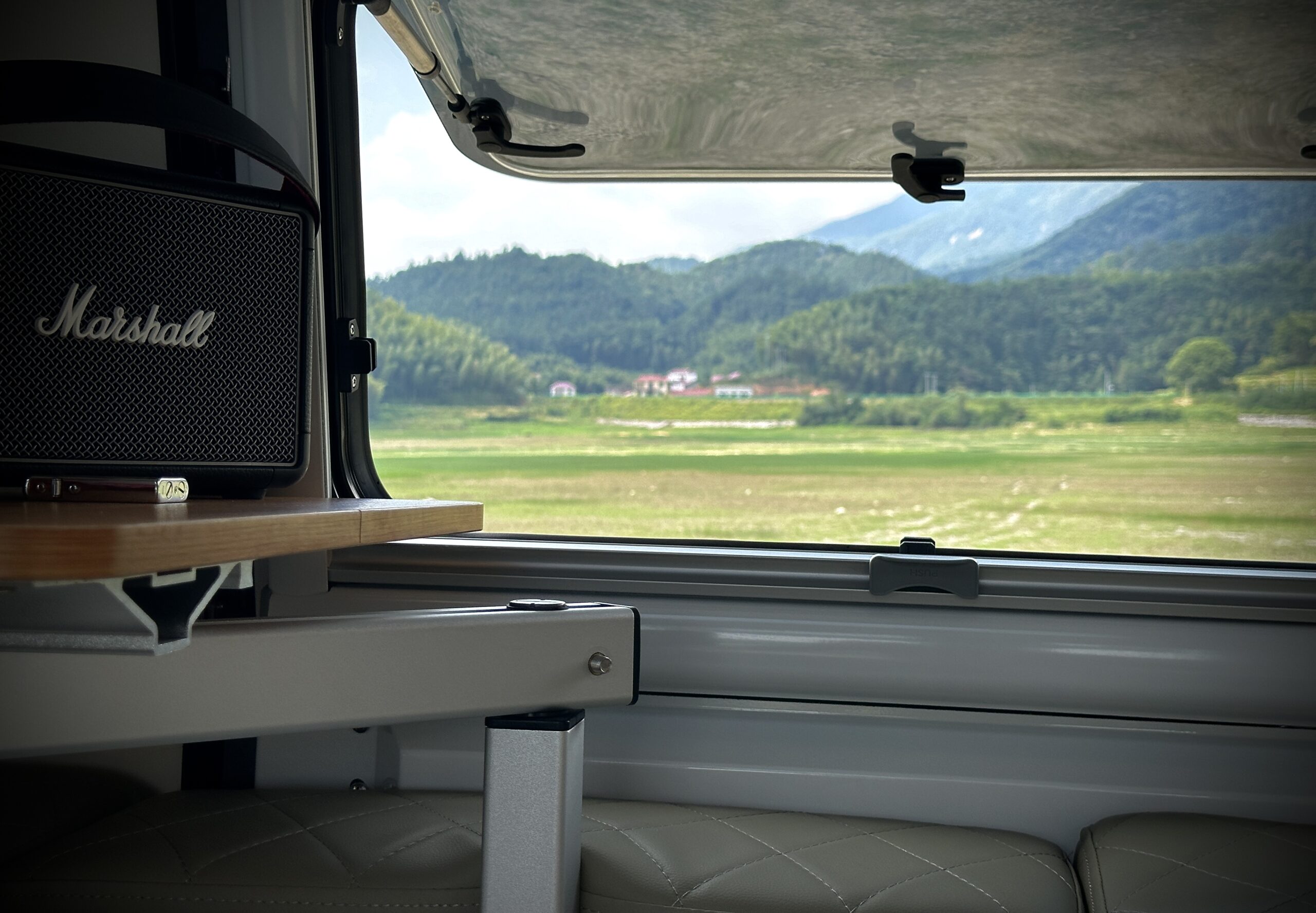
Truck campers have revolutionized the way outdoor enthusiasts and travelers experience the open road. Unlike traditional RVs or motorhomes, truck campers combine the rugged versatility of a pickup truck with the convenience and comfort of a mobile living space, offering a unique blend of mobility and functionality. This article delves deep into the world of truck campers, exploring their design, benefits, customization options, and reasons why they continue to gain popularity among adventurers worldwide.
What is a Truck Camper?
A truck camper is a portable living unit designed to be loaded onto the bed of a pickup truck. Unlike camper trailers that require towing, truck campers sit directly on the vehicle, enabling better maneuverability, especially on rough terrains and narrow trails. These campers provide essentials such as sleeping quarters, a kitchenette, storage areas, and sometimes even bathrooms, all contained within a compact, mobile design.
Historical Evolution of Truck Campers
The origins of truck campers date back to the early 20th century when adventurers and utility workers sought a more mobile and economical way to live on the road. Over the decades, innovations in materials, manufacturing techniques, and designs have transformed truck campers from rudimentary wooden boxes mounted on truck beds into sophisticated, comfortable, and stylish accommodations. Today, the market offers a diverse range of models tailored to different needs—from minimalist off-road campers to fully equipped luxury units.
Key Features and Design Elements
Modern truck campers focus on maximizing space efficiency and ensuring convenience without compromising the vehicle’s drivability. Key design features often include:
- Compact Sleeping Areas: Many campers offer slide-in sleeping lofts or foldable beds to optimize interior room.
- Kitchenettes: Equipped with mini-refrigerators, stovetops, sinks, and sometimes microwaves, allowing for on-the-go meal preparation.
- Bathroom Facilities: Some high-end models include compact bathrooms with portable or cassette toilets and showers.
- Storage Space: Cleverly integrated cabinets, drawers, and exterior compartments help store camping gear and personal items.
- Solar Panels and Energy Systems: To support off-grid camping, many campers incorporate solar power arrays and efficient battery systems.
- Insulation and Climate Control: Adequate insulation alongside heating and cooling systems ensures comfort across different climates.
Advantages of Owning a Truck Camper
The decision to invest in a truck camper comes with several notable benefits, especially for those passionate about adventure and flexibility. Some major advantages include:
- Enhanced Mobility: Since the camper is integrated with the truck, it permits greater freedom to navigate off-road paths, narrow roads, and mountainous terrains where larger RVs cannot travel.
- Compact Size: Truck campers are generally smaller compared to traditional RVs, making parking and driving easier and less stressful.
- Customization: Many manufacturers offer customizable options, allowing owners to tailor interiors, layouts, and features according to personal preferences and vehicle specifications.
- Cost-Effective: Without the need for a tow vehicle or the expenses of large motorhomes, truck campers often present an affordable alternative in the realm of mobile living.
- Versatility: The pickup truck can be used independently for daily tasks, and the camper unit can be added or removed as needed.
- Off-Grid Capability: With integrated solar panels and energy-efficient features, truck campers enable extended off-grid camping without sacrificing essential comforts.
Customization and Compatibility
One of the greatest strengths of truck campers is the ability to customize according to the specific make and model of the pickup truck. Manufacturers often collaborate with vehicle companies to ensure a perfect fit that balances weight distribution and aerodynamics. Custom-built camper boxes can be tailored in dimensions, materials, and features, ensuring compatibility with various truck bed sizes and capabilities.
Customization also extends to interior layout preferences. Whether the owner prioritizes maximum sleeping capacity, additional kitchen appliances, extra storage, or luxury touches such as LED lighting and smart home controls, possibilities abound. Some customers opt for rugged, off-road-ready campers with reinforced chassis and protective exterior coatings, while others choose sleek, modern aesthetics for urban-adventure blends.
Popular Uses and Applications
Truck campers have a broad spectrum of applications, appealing to diverse user groups:
- Outdoor Enthusiasts and Recreational Campers: Hikers, anglers, hunters, and campers appreciate the ease of access to remote locations combined with basic comforts.
- Travel and Road Trip Lovers: Individuals or families seeking freedom to explore varied landscapes opt for truck campers as they provide an ideal balance of comfort and mobility.
- Work and Utility Vehicles: Some industries use specialized camper boxes as mobile offices, field stations, or sleeping quarters for workers in remote job sites.
- Emergency and Disaster Response: Due to their mobility and self-contained units, truck campers sometimes serve as temporary shelters or command centers during emergencies.
Material and Build Quality
The durability and functionality of truck campers rely heavily on the materials used and craftsmanship during manufacturing. Typically, high-grade aluminum, fiberglass, and composite panels form the camper shell, balancing lightweight properties with strength. Quality seals and insulation materials ensure protection against weather elements and temperature extremes.
Interior fittings are often made with durable woods, stainless steel hardware, and moisture-resistant fabrics, focusing on longevity and ease of maintenance. Modern manufacturing facilities employ precision engineering and advanced assembly techniques to ensure safety, stability, and comfort.
Essential Considerations When Choosing a Truck Camper
Before purchasing a truck camper, prospective buyers should evaluate various factors to ensure an ideal match with their lifestyle and vehicle:
- Compatibility: Verify that the camper dimensions and weight align with the truck bed’s size and payload capacity to maintain safety and performance.
- Weight Distribution: Proper weight balance is vital to avoid vehicle handling issues or excessive wear on suspensions.
- Living Space Requirements: Assess how many people will regularly use the camper and what amenities are essential for daily comfort.
- Off-Road Capability: Determine if the camper needs to withstand rugged terrains or will primarily use paved roads.
- Budget: Factor in purchase price, customization costs, maintenance, and accessory needs such as rooftop racks or solar systems.
- Manufacturer Reputation: Consider brands known for quality craftsmanship, warranty support, and customer service.
Maintenance and Longevity Tips
Maintaining a truck camper ensures several years of reliable performance and comfort. Key maintenance tips include:
- Regular Inspections: Check for leaks, seal integrity, and structural wear regularly, especially before and after long trips.
- Clean and Maintain Exterior: Wash dirt and grime off the camper shell after off-road use to prevent damage.
- Protect Electrical Systems: Ensure solar panels and wiring are intact and batteries are well charged.
- Interior Care: Keep appliances clean and ventilate the camper regularly to avoid mold and mildew.
- Secure Attachments: Make sure the camper is properly mounted and all fastenings are tight for safe travel.
The Future of Truck Campers
As technology advances and consumer preferences evolve, the truck camper industry is poised for exciting developments. Innovations such as lightweight composite materials, integrated smart technologies, enhanced energy efficiency solutions, and expandable living spaces are becoming mainstream. Environmental sustainability is also a growing focus, with eco-friendly production methods and renewable energy integration shaping new camper designs.
Furthermore, the rise of adventure tourism and the demand for flexible travel solutions continue to fuel interest in truck campers worldwide. Manufacturers in China, the United States, Europe, and other regions are expanding their product lines, accommodating diverse customer needs and emerging pickup truck platforms.
Conclusion
Truck campers provide an unparalleled combination of freedom, versatility, and functionality for those who crave adventure but do not want to compromise on comfort. Their evolution from simple mobile shelters to sophisticated living units illustrates the innovation and passion driving the outdoor recreation market. Whether for weekend getaways, long-distance road trips, or professional applications, truck campers offer a practical and appealing solution to mobile living.
For prospective buyers, understanding key design features, compatibility, and maintenance requirements is vital to making an informed decision. Coupled with the ability to customize and personalize these campers, every traveler can find a model that perfectly suits their lifestyle and vehicle. As the world embraces more flexible and off-grid lifestyles, the prominence of truck campers is only set to rise, promising exciting journeys ahead for users globally.