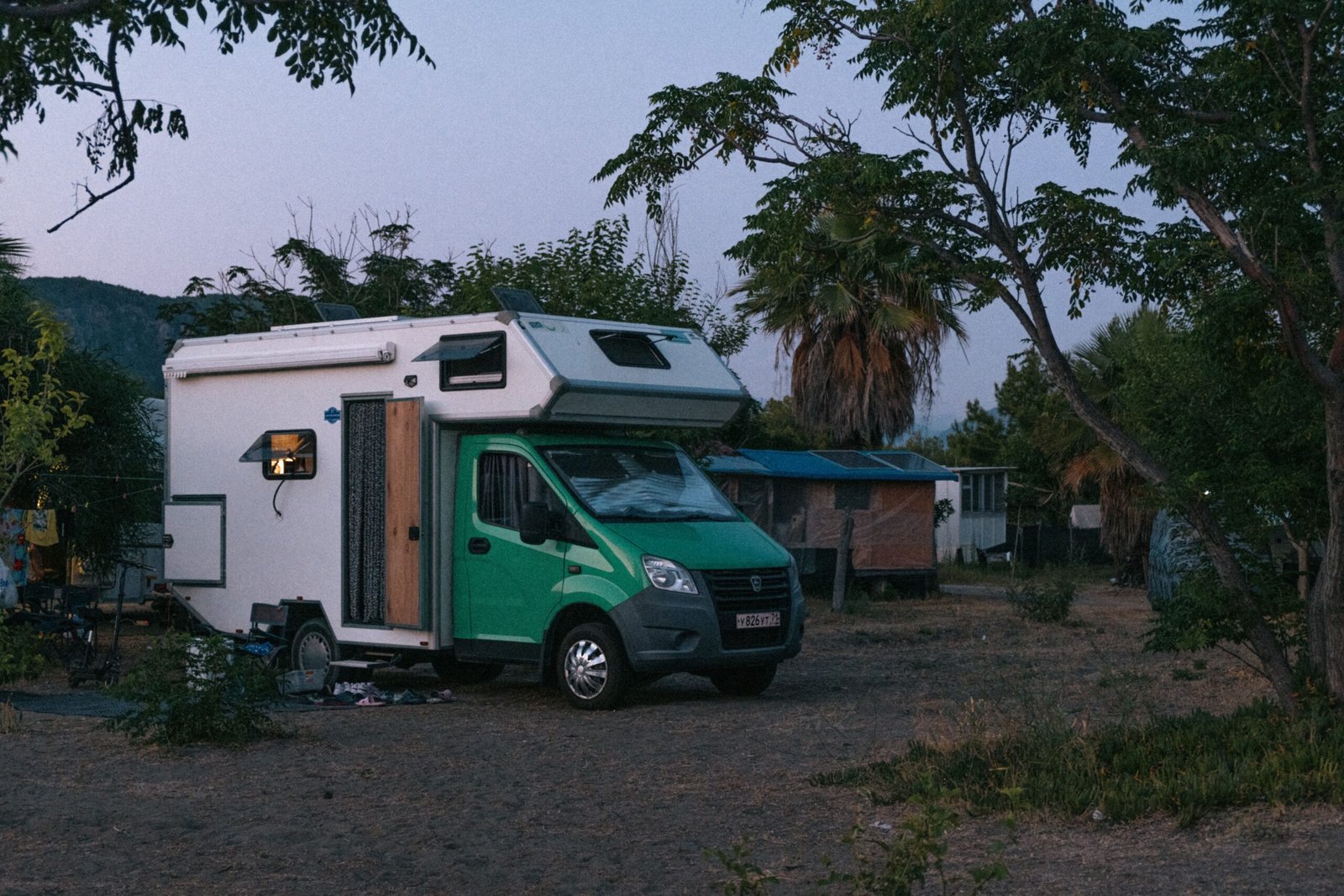
Truck campers have revolutionized the way travelers and outdoor enthusiasts explore remote destinations while maintaining comfort and convenience. By integrating living accommodations with the rugged capability of pickup trucks, these versatile vehicles offer unmatched freedom to roam off the beaten path without sacrificing the amenities of modern living.
In recent years, advancements in design, technology, and manufacturing have propelled the truck camper industry into a new era of innovation. From compact, lightweight models tailored for efficiency to expansive units boasting multiple rooms and luxury features, truck campers cater to a broad spectrum of needs and preferences.
Understanding the core features, benefits, and options available within the truck camper category is essential for potential buyers and adventurers aiming to select the best vehicle to support their lifestyle and travel objectives.
1. Defining Truck Campers and Their Unique Advantage
A truck camper is a mobile living unit designed to be loaded onto the bed of a pickup truck. Unlike traditional RVs or travel trailers, which can be bulky and less maneuverable, truck campers leverage the inherent agility and off-road capabilities of pickup trucks. This combination allows for greater access to remote and rugged terrains that are often inaccessible to larger motorhomes or trailers.
Another key advantage is the compact footprint of truck campers. When unloaded, the pickup truck can be used independently for everyday transportation or hauling, making the camper module a flexible and removable asset. This separation allows owners to maintain a versatile vehicle setup suitable for both recreational and practical applications.
2. Key Components and Layouts of Truck Campers
Modern truck campers are designed to maximize interior space efficiency while incorporating essential amenities for comfortable living. Typical components and layout features include:
- Sleeping Area: Usually positioned above the truck cab to maximize space, this area often features a mattress capable of fitting two or more persons.
- Kitchenette: Equipped with compact appliances such as a stove, sink, refrigerator, and storage cabinets to facilitate meal preparation and storage of essentials.
- Bathroom Facilities: Many truck campers include wet baths or separated toilets and shower stalls, allowing for extended off-grid use.
- Seating and Dining: Convertible dinette areas often double as seating for meal times and socializing, some transforming into additional sleeping spaces.
- Storage Solutions: Innovative cabinets and compartments ensure belongings are safely stowed throughout the journey.
Variations in layouts reflect different priorities, such as maximizing living space, minimizing weight, or incorporating luxury features.
3. Materials and Construction Techniques
Truck camper manufacturers employ a range of materials chosen for durability, weight savings, and weather resistance. Popular construction methods include:
- Aluminum Framing: Provides a lightweight yet strong skeleton structure, reducing overall weight without compromising toughness.
- Fiberglass and Composite Panels: Used for exterior walls and roofs, these materials offer excellent protection against environmental elements while contributing to aerodynamic efficiency.
- Insulation: High-grade foam insulation is often used to maintain thermal comfort in diverse climates, enhancing energy efficiency for heating and cooling systems.
Advanced sealing and weatherproofing techniques ensure truck campers remain resilient in extreme conditions, from desert heat to winter cold.
4. Customization and Compatibility with Pickup Models
One of the most appealing aspects of truck campers is their adaptability. Many manufacturers provide custom-built solutions engineered to fit specific pickup truck models, considering variations in bed size, weight capacities, and chassis design. This customization optimizes safety, performance, and functionality.
Options for customization can include:
- Tailored attachment mounts and tie-downs that secure the camper firmly to the truck bed.
- Adjustable weight distribution systems to enhance cargo balance and driving stability.
- Personalized floor plans to maximize living area or incorporate specialized features such as workspace desks or outdoor kitchens.
- Exterior finishes and color schemes to match the truck or personal aesthetic.
Custom-fit campers provide peace of mind and elevate the user experience by seamlessly integrating with the user’s specific vehicle.
5. Off-Road Capability and Adventure Readiness
Pickup trucks equipped with four-wheel drive and enhanced suspension packages are ideal platforms for camping units aiming to tackle rugged landscapes. Truck campers are inherently more agile and durable compared to bulky RVs, enabling users to access secluded campsites, national parks, mountainous regions, and desert trails.
Features that supplement off-road capabilities include:
- Reinforced undercarriages and shock absorption systems to withstand rough terrain.
- High ground clearance options that prevent camper bottoming out on uneven surfaces.
- Compact camper dimensions that do not excessively increase vehicle width, allowing easier navigation on narrow trails.
- Integrated water and waste tanks sized to support multi-day excursions without resupply.
These attributes ensure that adventurers can enjoy prolonged outdoor experiences while retaining the comforts of home.
6. Sustainability and Eco-Friendly Innovations
Modern truck campers increasingly prioritize eco-friendliness and sustainable living. Solar panel installations, energy-efficient LED lighting, and water-saving fixtures are now common. Onboard battery systems paired with solar arrays reduce reliance on external power sources, enabling longer stays in remote locations and lowering environmental impact.
Some manufacturers utilize eco-conscious materials in the build process, such as recycled composites and non-toxic finishes. Waste management systems are designed to minimize pollution by facilitating proper storage and disposal of grey water and sewage.
Adopting these green technologies responds not only to the mounting demand for responsible travel but also supports preserving the natural environments campers seek to explore.
7. Safety and Legal Considerations
Operating a truck camper involves understanding and adhering to safety and regulatory standards. Key considerations include:
- Weight Limits: Ensuring the combined weight of truck and camper does not exceed manufacturer ratings to maintain safe handling and braking.
- Secure Installation: Proper mounting and tie-down procedures are crucial to prevent camper movement during transit.
- Lighting and Signaling: Compliance with road laws regarding brake lights, turn indicators, and reflectors is mandatory.
- Parking and Camping Regulations: Familiarity with local and national rules governing overnight stays, especially in public or protected lands.
Insurance coverage tailored to truck camper use is also advisable to protect against damage, theft, or liability during travel.
8. Economic Considerations and Value Proposition
Truck campers offer a cost-effective approach to recreational travel when compared to traditional RVs, caravans, or frequent hotel stays. Initial purchase costs vary widely depending on size, features, and customizations, but the modular nature allows owners to upgrade or modify units incrementally.
Operational costs are generally lower due to better fuel efficiency compared to larger motorhomes, and maintenance focuses separately on the truck and camper components.
Moreover, resale values tend to be robust for well-maintained, high-quality truck campers, especially those linked to reputable manufacturers.
9. Popular Brands and Industry Leaders
The truck camper market features a blend of long-standing companies and emerging innovators. Leading brands emphasize craftsmanship, customer support, and adaptation to evolving traveler needs. Some notable names include:
- Alaskan Campers
- Lance Camper
- Northstar Campers
- Host Industries
- EarthRoamer
Chinese manufacturers are also gaining recognition globally by delivering competitively priced, customizable pickup camper boxes and towable trailers, blending quality production with innovative design tailored to various regional markets.
10. Future Trends and Industry Outlook
The truck camper segment is poised for continued growth, driven by increasing interest in outdoor recreation, technological advancements, and global travel trends emphasizing flexibility and independence.
Emerging features likely to become more widespread include integrated smart technology for climate control and security, lightweight materials that push limits on payload capacity, and enhanced connectivity solutions facilitating remote work and entertainment.
Environmental sustainability will remain a central pillar, encouraging ongoing development of renewable energy systems and eco-friendly construction practices.
Overall, truck campers will continue to attract a diverse audience from weekend warriors to long-term nomads, shaping a vibrant market focused on innovation, comfort, and adventure.
Conclusion
Truck campers represent a harmonization of practicality, adventure, and home comfort rolled into a single versatile solution. Their adaptability to different pickup trucks and customization options make them highly appealing for those who seek to explore nature without giving up modern conveniences. Advances in materials, off-road technology, and sustainability further underline their value as a premium choice for outdoor living enthusiasts.
Whether for spontaneous weekend getaways or extended journeys across varied landscapes, truck campers unlock a world of opportunities. Their robust design, coupled with innovative amenities, ensures travelers can embrace the freedom of the open road while enjoying a secure and comfortable living environment.
Choosing the right truck camper involves evaluating needs, vehicle compatibility, and desired features. As this exciting industry evolves, it promises richer experiences and more innovative solutions facilitating the ultimate adventure on wheels.