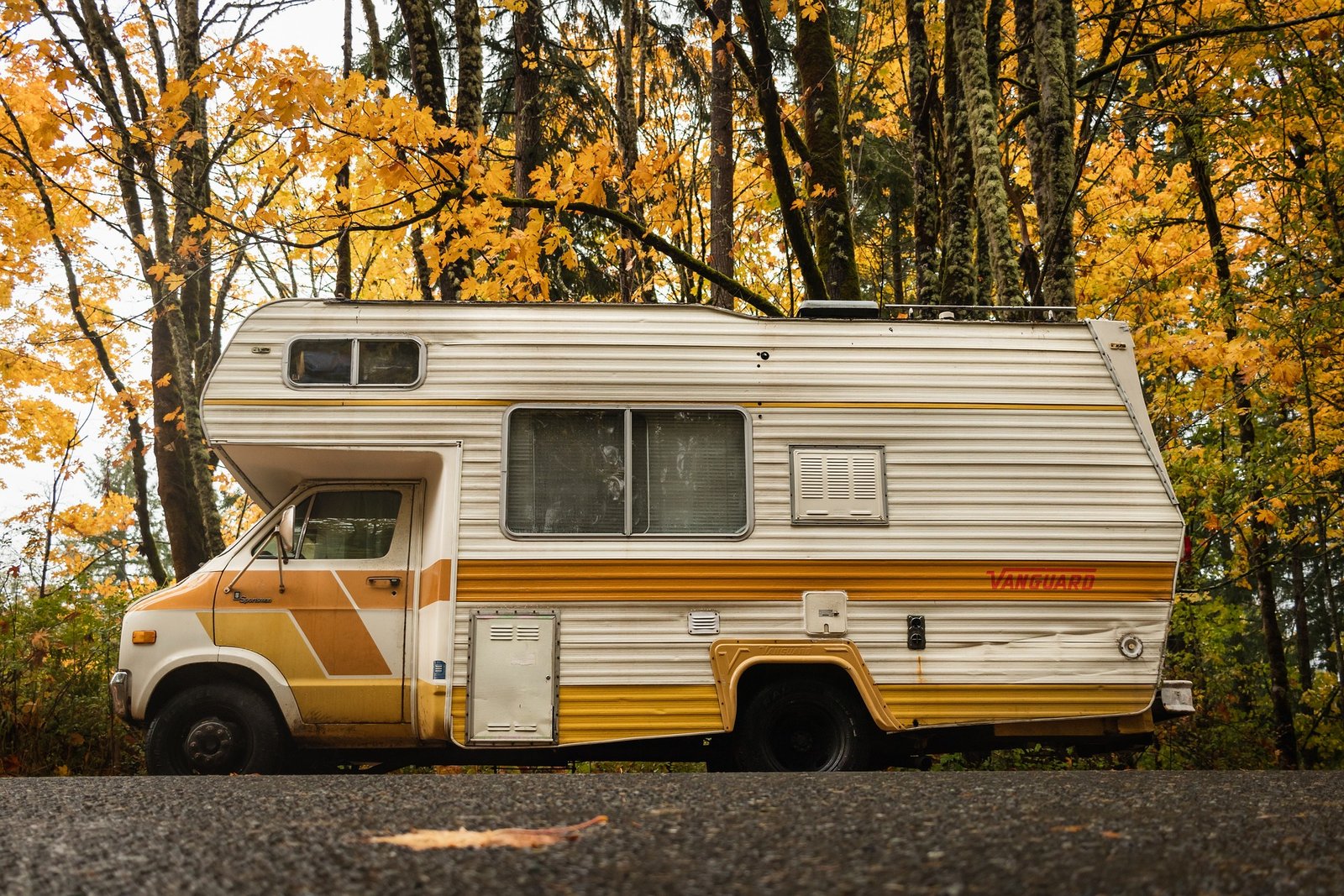
Truck campers have revolutionized outdoor adventures by providing a versatile and mobile living space that combines the comforts of a traditional home with the ruggedness needed for off-road travel. As more outdoor enthusiasts seek flexible and self-sufficient ways to explore, truck campers have become increasingly popular due to their adaptability, convenience, and compact design.
In this comprehensive exploration, we will delve deeply into the world of truck campers, discussing their history, types, benefits, design features, customization options, and tips for selecting the perfect model. Additionally, we will cover maintenance, safety considerations, and travel strategies to optimize your experience with a truck camper, enabling you to make informed decisions whether you are a first-time buyer or an experienced adventurer.
Understanding Truck Camper Basics
A truck camper is a detachable living module that can be mounted on the bed of a pickup truck, transforming the vehicle into a mobile home. Unlike traditional RVs or motorhomes, truck campers allow for greater maneuverability and the ability to access remote or rugged locations where larger RVs often cannot go. This adaptability makes truck campers ideal for those who enjoy camping, off-roading, fishing, hiking, and other outdoor pursuits.
The core components of a truck camper typically include sleeping quarters, a kitchenette, a dining area, and a compact bathroom or wet bath. Some models may also include salon-like seating, slide-outs for extra space, solar panels, and sophisticated heating and cooling systems. The ability to detach the camper from the truck allows users to utilize their vehicle independently for errands or excursions without hauling a trailer.
History and Evolution of Truck Campers
The concept of truck campers dates back to the early 20th century when travelers and adventurers sought mobile shelters that could be transported by trucks. Initial designs were rudimentary, often homemade boxes or converted trailers mounted on truck beds. Over time, manufacturers began creating purpose-built campers emphasizing durability, weight distribution, and comfort.
The 1950s and 1960s saw a boom in recreational travel across the United States and other parts of the world, prompting the development of more sophisticated truck campers equipped with electrical systems, plumbing, and lightweight materials. Modern truck campers benefit from advances in materials technology, such as fiberglass, aluminum alloys, and composite panels, which provide durability without excessive weight.
Today’s truck campers cater to a wide spectrum of users, from minimalist travelers seeking compact, lightweight designs to luxury enthusiasts craving high-end finishes and amenities. This evolution reflects changing lifestyle demands, technology integration, and outdoor culture trends.
Types of Truck Campers
Truck campers come in various types and styles, each designed to meet specific needs and preferences. Understanding these categories can help you choose the best option for your lifestyle.
Slide-In Campers
These are the most common types of truck campers and fit inside the truck bed with anchored mounts on the sides. Slide-in campers provide full enclosure within the bed area and often include pop-up roofs or slide-outs to increase headroom and usable space. They are generally lightweight and easy to install or remove.
Cab-Over or Overhang Campers
The cab-over portion extends over the truck’s cabin to create additional sleeping or storage space. This design maximizes use of space without lengthening the camper’s footprint, enabling users to carry more features without sacrificing mobility.
Pop-Up Campers
Pop-up truck campers collapse into a compact size when traveling and expand at the campsite, often using canvas sides or rigid folding walls. These campers combine lightweight travel with expanded interior room, ideal for those prioritizing payload limits and aerodynamics.
Towable Truck Campers and Modified Trailers
Some setups attach to pickup trucks, serving as towable units. While technically trailers rather than true truck campers, these offer amenities and flexibility for users not requiring direct mounting on a truck bed.
Key Features and Amenities
The appeal of truck campers lies partly in their ability to blend compactness with functional living spaces. Common features include:
- Sleeping areas: Accommodate 2 to 6 people with beds ranging from simple fold-outs to luxurious queen-sized mattresses.
- Kitchenettes: Equipped with stoves, sinks, refrigerators, and working counters.
- Bathroom facilities: Ranging from portable toilets to fully equipped wet baths with showers.
- Storage compartments: Designed cleverly to maximize usable space in a compact form.
- Electrical systems: Include 12V batteries, solar power, inverters, and hookup capabilities to external power sources.
- Heating and cooling: Options for propane furnaces, air conditioning, and fans to maintain comfort in various climates.
- Water tanks: Freshwater, gray water, and black water tanks sized for short or extended trips.
Additional amenities may include entertainment systems, awnings for shade, outdoor kitchens, internal slide-outs, and advanced insulation for year-round use.
Advantages of Owning a Truck Camper
There are numerous benefits to choosing a truck camper over other types of recreational vehicles or traditional camping setups:
- Mobility and Accessibility: Thanks to their compact size and the maneuverability of pickup trucks, truck campers can handle tight trails and remote locations.
- Self-Sufficiency: Many models come equipped for off-grid living, including solar panels and water filtration systems.
- Easy Storage and Parking: Their smaller size allows for easier storage at home and parking in standard spots, reducing costs related to RV storage facilities.
- Cost Effectiveness: Compared to larger motorhomes or trailers, truck campers often have lower purchase and maintenance costs.
- Detachable Use: The ability to remove the camper unit lets owners use the truck independently.
- Customization: Truck campers’ modular nature allows for tailored floor plans and feature sets.
- Durability: Designed to withstand outdoor conditions, truck campers provide a robust solution for adventurous lifestyles.
How to Choose the Right Truck Camper
Selecting the ideal truck camper entails evaluating a variety of factors to ensure your investment matches your usage requirements and preferences.
Assess Your Truck’s Compatibility
Camper options must be compatible with your truck’s bed size, payload capacity, and suspension. Overloading your vehicle can affect handling, safety, and wear. Verify manufacturer specifications and consider upgrades such as enhanced springs or airbags if necessary.
Determine Your Needs and Lifestyle
Consider the number of people you intend to accommodate, the typical lengths of your trips, and the types of environments you’ll encounter. This information will determine the size, amenities, and build type suitable for you.
Set a Budget
Truck campers vary widely in cost depending on size, materials, and features. Establish a realistic budget that includes purchase, insurance, and ancillary costs like maintenance and upgrades.
Desired Features
Prioritize must-have features, such as permanent bathrooms, solar panels, heating systems, or slide-out sections. Realize, however, that adding features may increase weight and cost.
Check Construction Quality
Inspect the camper’s build materials, frame strength, insulation, and waterproofing details to ensure long-term durability and performance.
Research Brands and Reviews
Look for reputable manufacturers with strong customer service records and positive user feedback. Warranty coverage and parts availability are important to consider as well.
Customization and Upgrades
One compelling aspect of truck campers is the opportunity for personalization. Many manufacturers provide customizable floor plans and options to tailor the layout and appliances to individual needs. Aftermarket modifications can further enhance functionality, including:
- Solar energy systems to increase off-grid power capacity.
- Heavy-duty suspension kits to support extra weight.
- Advanced insulation upgrades for extreme weather resistance.
- Exterior lighting packages for improved night visibility.
- Additional storage solutions like roof racks and exterior compartments.
- Interior design updates for comfort and style.
Working closely with the manufacturer or a specialist camper outfitter can help you achieve a setup that aligns perfectly with your adventure goals.
Maintenance and Care
Proper maintenance ensures your truck camper remains safe, reliable, and comfortable. Key areas to focus on include:
- Regular Cleaning: Wash the exterior and interior to prevent buildup of dirt, mold, or corrosive materials.
- Inspect Seals and Roofs: Check for leaks, cracks, or seal deterioration and repair promptly to avoid water damage.
- Electrical Systems: Monitor battery health, wiring, and connections for faults or wear.
- Plumbing Components: Flush water tanks, prevent freezing in colder climates, and check for leaks.
- Structural Integrity: Examine mounting points on the truck bed and camper for signs of stress or loosening.
Safety Considerations
Ensuring safety while using a truck camper involves careful attention to the following:
- Weight Distribution: Properly distributing the camper’s weight on the truck bed maintains vehicle balance and reduces strain on suspension and tires.
- Secure Mounting: Use manufacturer-recommended tie-downs and turnbuckles to firmly attach the camper.
- Tire and Suspension Maintenance: Regular checks and maintenance help handle the demands of added weight and rough terrain.
- Driving Cautions: Adjust driving habits to accommodate changes in vehicle height, length, and center of gravity.
- Fire Safety: Equip the camper with functioning smoke detectors, fire extinguishers, and carbon monoxide alarms.
Travel Tips for Truck Camper Owners
Maximize your enjoyment and ensure smooth travels by following these practical tips:
- Plan routes that accommodate your vehicle’s dimensions and weight, especially for off-road trails or national parks.
- Keep essential supplies organized and secure to reduce movement and damage during transit.
- Use leveling blocks or built-in jacks to stabilize the camper when parked.
- Be mindful of weather changes and prepare the camper accordingly.
- Practice setting up and breaking down the camper to improve efficiency and reduce frustration.
Global Trends and Future of Truck Campers
The truck camper industry continues to evolve with innovations aimed at enhancing comfort, efficiency, and sustainability. Trends include the use of eco-friendly materials, integration of smart home technologies, and improved renewable energy solutions like enhanced solar arrays and energy storage.
The rise of digital nomadism and increased interest in outdoor experiences have driven demand for truck campers that offer robust connectivity, ergonomic designs, and multi-functional spaces suitable for both living and working remotely.
Additionally, manufacturers are prioritizing lightweight construction without sacrificing durability, boosting fuel efficiency and expanding access to more challenging environments.
Conclusion
Truck campers represent a dynamic and practical solution for individuals seeking freedom, adventure, and comfort on the road. From their historical roots to their advanced modern designs, these versatile vehicles allow users to explore a vast range of destinations with confidence and independence.
By understanding the different types, features, and considerations involved in choosing and maintaining a truck camper, you can make the best decision aligned with your lifestyle and travel aspirations. Whether you prefer minimalist ruggedness or luxury on wheels, there is a truck camper designed to meet your unique needs.
Investing time in research, customization, and proper care not only extends the lifespan of your camper but also maximizes the enjoyment of every journey. As outdoor recreation continues to flourish, truck campers stand out as an innovative and enduring choice for adventure seekers worldwide.