Truck campers have become increasingly popular among outdoor enthusiasts and adventurers who seek the perfect combination of mobility, comfort, and convenience. Offering a unique solution to traditional camping, these versatile living spaces attach directly to pickup trucks, transforming them into fully functional homes on wheels. This article explores the world of truck campers, highlighting their benefits, types, features, and considerations for choosing the perfect model to suit your lifestyle and vehicle.
The Rise of Truck Campers
Over the past few decades, truck campers have evolved from simple, compact trailers to sophisticated, fully equipped mobile shelters. Their rise in popularity is driven by the growing demand for flexible travel options that merge the thrill of the outdoors with modern comforts. Unlike traditional RVs or travel trailers, truck campers offer an unparalleled degree of maneuverability, allowing owners to explore remote locations and navigate challenging terrains with ease.
Particularly favored by those who own pickup trucks, these campers slide directly onto the truck bed, enhancing accessibility and reducing the need for additional towing equipment. This seamless integration makes truck campers ideal for weekend getaways, extended road trips, or even full-time nomadic lifestyles.
Advantages of Truck Campers
One of the most significant benefits of truck campers is their compact size, which offers several practical advantages:
- Maneuverability: Since truck campers do not add extra length to the vehicle, they are easier to drive in tight spaces and rough terrain compared to larger motorhomes or towable trailers.
- Versatility: The pickup truck remains fully operational, enabling users to unload the camper box and use their vehicle independently for errands, off-road adventures, or other activities.
- Cost Efficiency: Truck campers often have lower initial investment and maintenance costs than full-sized RVs, making them attractive for budget-conscious travelers.
- Fuel Economy: Generally, truck campers weigh less than larger RVs, which can translate to better fuel efficiency during travel.
- Customization: With the ability to tailor camper dimensions and features to specific truck models, campers can meet unique user requirements and preferences.
Types of Truck Campers
Truck campers come in various styles and configurations, catering to a wide range of needs. Here are some of the primary types:
- Slide-In Campers: These are the most common types, designed to slide into the bed of a pickup truck. They feature a cab-over sleeping area that projects over the truck’s cabin, maximizing living space.
- Pop-Up Campers: Equipped with foldable sections or tent-like material, pop-up campers provide more headroom when opened and compactness during transport, ideal for those prioritizing lightweight and ease of storage.
- Fiberglass or Aluminum Shell Campers: Made from durable materials that offer good insulation and resistance to weather elements, these types often include modern amenities like heating, air conditioning, and solar power integration.
- Custom-Built Campers: For owners with specific requirements, many manufacturers offer custom builds that fit exactly on their truck bed, incorporating personalized designs, storage solutions, and luxury features.
Essential Features of Modern Truck Campers
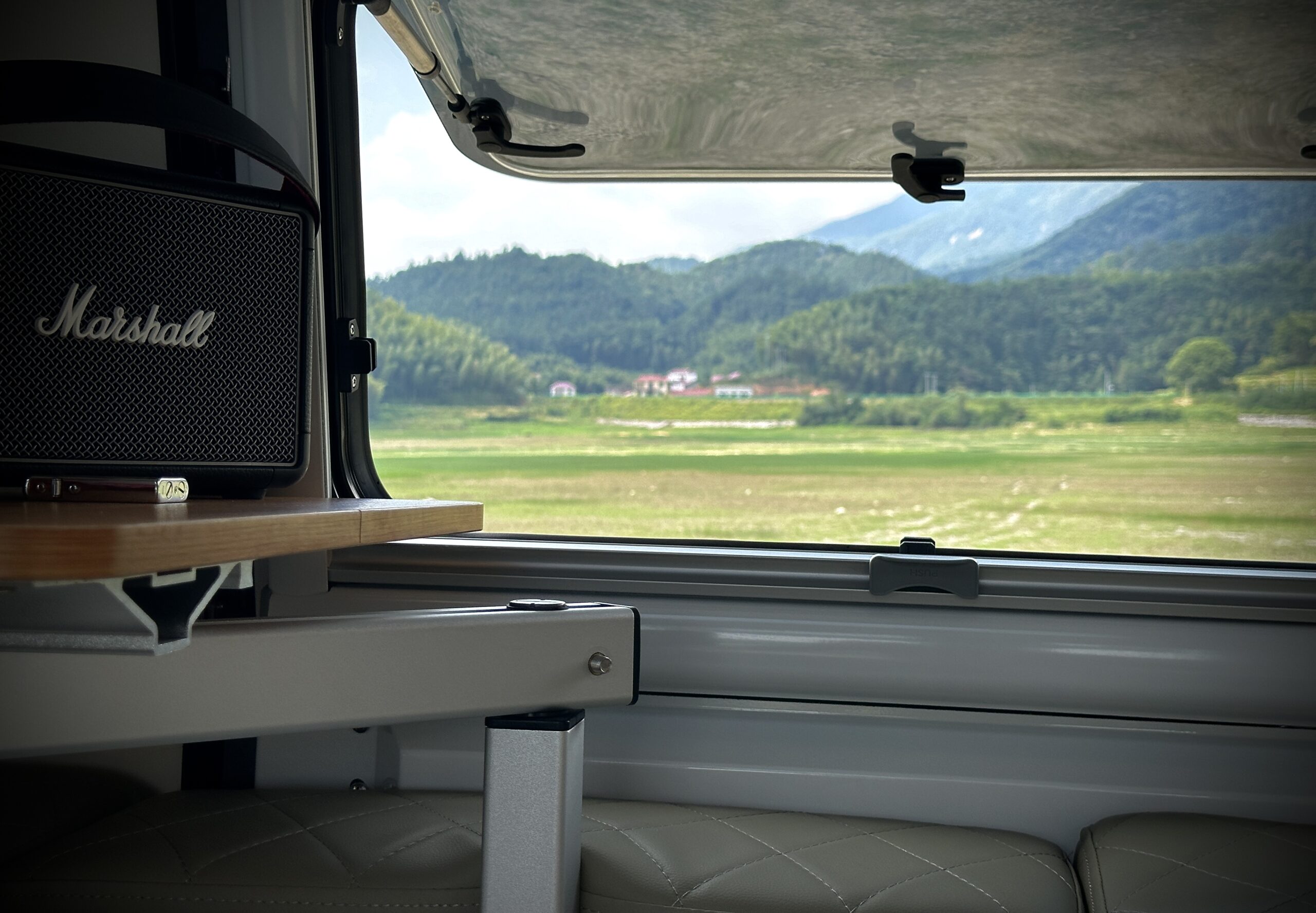
Modern truck campers are equipped with an impressive range of features designed to deliver home-like comfort while maintaining mobility.
- Sleeping Quarters: Typically includes a cab-over bed or convertible dinette sleeping arrangements, offering comfortable sleeping space for two to four people.
- Kitchen Facilities: Most campers are equipped with compact kitchenettes featuring a sink, stove, refrigerator, and storage cabinets for culinary essentials.
- Bathroom Amenities: Depending on size and design, some campers include portable or fixed toilets, showers, and water tanks, providing convenience in remote areas.
- Electrical Systems: Many models incorporate 12-volt electrical systems powered by batteries, solar panels, or external hookups to support lighting, appliances, and electronic devices.
- Climate Control: Heating systems, fans, or air conditioning units help maintain comfortable indoor temperatures regardless of external weather conditions.
- Storage: Strategic storage compartments and hanging spaces optimize the limited area, allowing travelers to bring along necessary gear and supplies.
Choosing the Right Truck Camper
Selecting the ideal truck camper entails considering multiple factors to ensure compatibility, functionality, and comfort.
- Truck Compatibility: The camper must fit securely on the specific make and model of your pickup truck, considering bed size, weight capacity, and suspension strength.
- Weight and Payload Capacity: It is critical to understand your truck’s payload limits and choose a camper that does not exceed these specifications to guarantee safe handling and performance.
- Intended Usage: Define how you plan to use the camper — for weekend trips, off-road adventures, or extended travel — as this will influence features, durability, and size requirements.
- Comfort Versus Size: Larger campers provide additional living amenities but may affect mobility. Balance comfort needs with the practicality of driving and parking.
- Budget: Consider upfront costs, maintenance, and any additional modifications necessary to equip or tow the camper.
- Manufacturer Reputation: Purchase from established companies known for quality, customer service, and warranty support.
Maintenance and Care of Truck Campers
Proper maintenance ensures the longevity and reliable operation of your truck camper. Key aspects include:
- Regular Cleaning: Wash and inspect the exterior to prevent buildup of dirt and debris, which can damage paint or seals.
- Check Seals and Roof: Inspect seals around windows, doors, and roof for leaks and reseal as needed to avoid water intrusion.
- Battery and Electrical Systems: Maintain battery charge levels, check wiring for corrosion, and test appliances before trips.
- Plumbing and Water Systems: Drain and sanitize tanks periodically to maintain hygiene and prevent clogs or leaks.
- Mechanical Attachments: Ensure mounting brackets, tie-downs, and supports are secure and free from damage.
Emerging Trends in Truck Camper Design
The industry continues to innovate, integrating new technologies and design philosophies that improve user experience.
- Lightweight Composite Materials: Use of advanced composites reduces camper weight without compromising strength.
- Solar Energy Integration: Solar panels and energy-efficient systems allow off-grid power independence.
- Smart Technology: Integration of digital controls, app-based monitoring, and automated systems enhance convenience.
- Sustainability: Increasing focus on eco-friendly materials and energy-saving appliances to minimize environmental impact.
Conclusion
Truck campers represent a dynamic and practical solution for travelers who desire freedom on the road without sacrificing comfort. Their blend of compact size, versatility, and adaptability makes them well-suited for a diverse range of journeys — from weekend escapes to long-term explorations. By carefully considering the compatibility with your vehicle, usage needs, and desired features, you can select a truck camper that enhances your adventures and brings the comforts of home wherever the road leads.
As the market evolves with advancing technology and consumer preferences, truck campers will continue to offer innovative options that broaden the horizons of mobile living and outdoor experiences. Whether you are an experienced camper or new to mobile travel, exploring the world through a truck camper can provide an exciting and fulfilling lifestyle alternative.