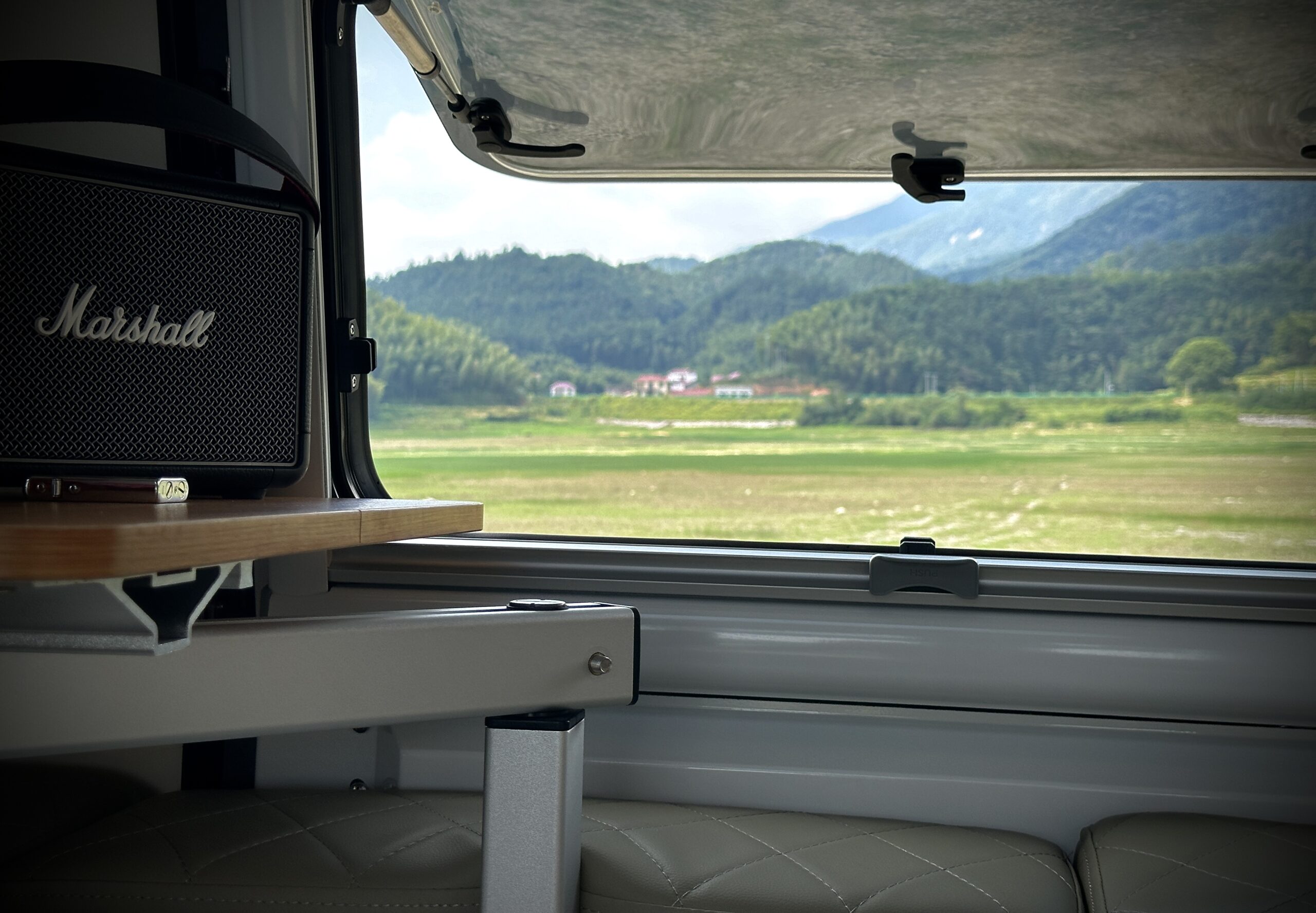
Truck campers have emerged as a pivotal innovation in the realm of outdoor adventure and travel, blending mobility with comfort to create a unique lifestyle on wheels. Unlike traditional RVs or tents, truck campers offer a compact yet highly functional living space that is mounted directly onto the bed of a pickup truck. This solution caters to adventurous souls who seek freedom, flexibility, and self-sufficiency as they explore nature’s most remote and breathtaking locations.
The evolution of truck campers is a testament to ingenuity, combining automotive versatility with innovative construction techniques. As more travelers embrace a nomadic mindset, truck campers have gained rapid popularity due to their blend of convenience and ruggedness. These campers not only provide comfortable sleeping quarters but also include cooking, storage, and sometimes even bathroom facilities, all ingeniously designed to maximize space.
One of the primary advantages of a truck camper is its compact design, which allows it to access off-the-beaten-path destinations that larger motorhomes and travel trailers cannot reach. Whether scaling mountainous terrains, navigating dirt roads, or parking in tight urban spaces, the pickup truck paired with a camper box offers unmatched agility. This makes it an ideal choice for outdoor enthusiasts such as hunters, fishermen, hikers, and explorers who wish to immerse themselves deeply in nature without sacrificing comfort.
Customization and Compatibility with Pickup Models
Truck campers are highly adaptable and can be custom-built to fit a variety of pickup truck models. Manufacturers understand that every vehicle has unique dimensions and weight capacities, so camper boxes are tailored specifically to maintain balanced weight distribution and to ensure secure mounting. This customization helps protect both the truck and its occupants while optimizing the camper’s internal layout.
Customization extends beyond mere dimensions. Buyers can select amenities and design elements based on personal preferences and intended use cases. From lightweight models focusing on off-road capability to luxury configurations equipped with modern conveniences, there is a truck camper solution for virtually every need. Options often include insulated interiors for year-round use, solar power systems for off-grid living, and water management setups for extended stays.
Construction Materials and Build Quality
The durability and functionality of a truck camper heavily depend on the materials and craftsmanship employed in its construction. Many leading manufacturers utilize high-grade aluminum, fiberglass composites, and marine-grade plywood to ensure strength without adding unnecessary weight. This balance is essential as the added weight impacts maneuverability, fuel efficiency, and the truck’s suspension system.
Waterproof sealing and reinforced frames are critical components that protect the camper from adverse weather and rough terrain exposure. The interiors are designed to be both robust and aesthetically pleasing, often featuring moisture-resistant cabinetry, vinyl or laminate flooring, and multiple ventilation options to maintain air quality and temperature control.
Essential Features and Amenities in Modern Truck Campers
Contemporary truck campers are outfitted with a surprising array of features considering their compact footprint. Most models include a sleeping area that comfortably accommodates two or more people, utilizing convertible furniture like fold-down beds and dinettes to maximize usable space. Storage compartments are cleverly integrated into walls and under benches, making efficient use of every square inch.
Kitchen facilities typically include a small sink, a refrigerator or cooler, a propane stove, and sometimes even a microwave or oven. These installations enable campers to prepare meals without relying on external supplies, enhancing independence and convenience. Water tanks and waste storage hold capacities are designed to allow for multi-day trips without frequent refilling or dumping.
For those prioritizing hygiene and convenience, some high-end truck campers feature compact bathrooms with showers and toilets, including composting or cassette toilet options. Heating systems, whether propane, diesel, or electric, are integrated to provide warmth in cold climates. Electrical setups often include battery banks, inverters, and solar panels, making the camper a self-sustaining hub of comfort wherever the road leads.
Environmental Considerations and Eco-Friendly Innovations
As sustainability becomes a growing concern worldwide, truck camper manufacturers are increasingly incorporating eco-friendly technologies and materials into their designs. Solar power integration allows campers to harness renewable energy, decreasing reliance on fossil fuels and reducing carbon footprints. Energy-efficient LED lighting and low-power appliances further conserve resources.
Some builders use recycled or sustainably sourced materials during construction, and advanced insulation reduces heating and cooling energy demand. Water-saving fixtures and composting toilets help minimize water use and waste impact. These innovations align with the values of environmentally conscious adventurers who respect and protect the natural landscapes they explore.
Maintenance and Longevity of Truck Camper Units
A well-maintained truck camper can deliver years of reliable service, but regular upkeep is crucial. Owners should routinely inspect seals and joints to prevent leaks, clean and lubricate mechanical components, and maintain all water and electrical systems to avoid malfunctions. Seasonal maintenance includes checking battery health, winterizing plumbing to prevent freeze damage, and protecting exterior finishes from UV exposure.
Many manufacturers provide detailed maintenance guides and offer warranty programs that cover structural and appliance components. This support helps users confidently invest in truck campers, knowing that expert assistance and parts availability are accessible.
The Lifestyle and Community Around Truck Camping
Beyond the physical features of the camper itself, the truck camper lifestyle fosters a vibrant and supportive community. Enthusiasts share routes, tips, modifications, and experiences through clubs, social media groups, and specialized festivals. This network enhances the ownership experience and inspires newcomers to embrace the freedom of mobile living.
The lifestyle appeals to a wide demographic, from retirees exploring leisurely to digital nomads working remotely while traveling. Truck campers provide a unique balance between solitude and social interaction, enabling users to engage with nature while remaining connected to loved ones and communities.
Economic Benefits Compared to Other Recreational Vehicles
When compared to larger motorhomes or towable trailers, truck campers generally present a cost-effective alternative. Their initial purchase price is often lower, and ongoing expenses like fuel, insurance, and maintenance tend to be less intensive. Additionally, the flexibility of using the pickup truck independently for everyday activities enhances value.
This affordability broadens access to the RV lifestyle, encouraging more people to explore outdoor living. Furthermore, the reduced size and weight often translate into lower fuel consumption, which conserves personal budgets and reduces environmental impact.
Future Trends and Innovations in Truck Camper Design
The future of truck campers is dynamic, with trends pointing towards greater integration of smart technology, enhanced off-grid capabilities, and modular designs. Advances in lightweight materials and construction methods promise increased durability and better fuel efficiency. Integrating smart home technology such as automated climate control, remote monitoring of systems, and app-controlled appliances is becoming increasingly common.
Modularity allows users to customize or upgrade specific sections of their camper boxes as needs evolve, extending the product’s lifecycle and tailoring functionality. Sustainable manufacturing processes and eco-conscious designs will continue to gain priority among manufacturers and consumers alike.
Conclusion
Truck campers represent a compelling solution for individuals seeking a harmonious blend of mobility, comfort, and self-reliance in their outdoor adventures. Their compact size, customizable features, and robust construction allow users to explore a diverse range of environments with confidence and convenience. As innovations continue to emerge, truck campers will likely become an increasingly popular choice for travelers wanting to connect deeply with nature without compromising on the essentials of modern living.
By investing in a high-quality, customized truck camper, adventurers unlock new possibilities in outdoor exploration—transforming their pickup trucks into versatile mobile sanctuaries that support a life of discovery, freedom, and sustainability.