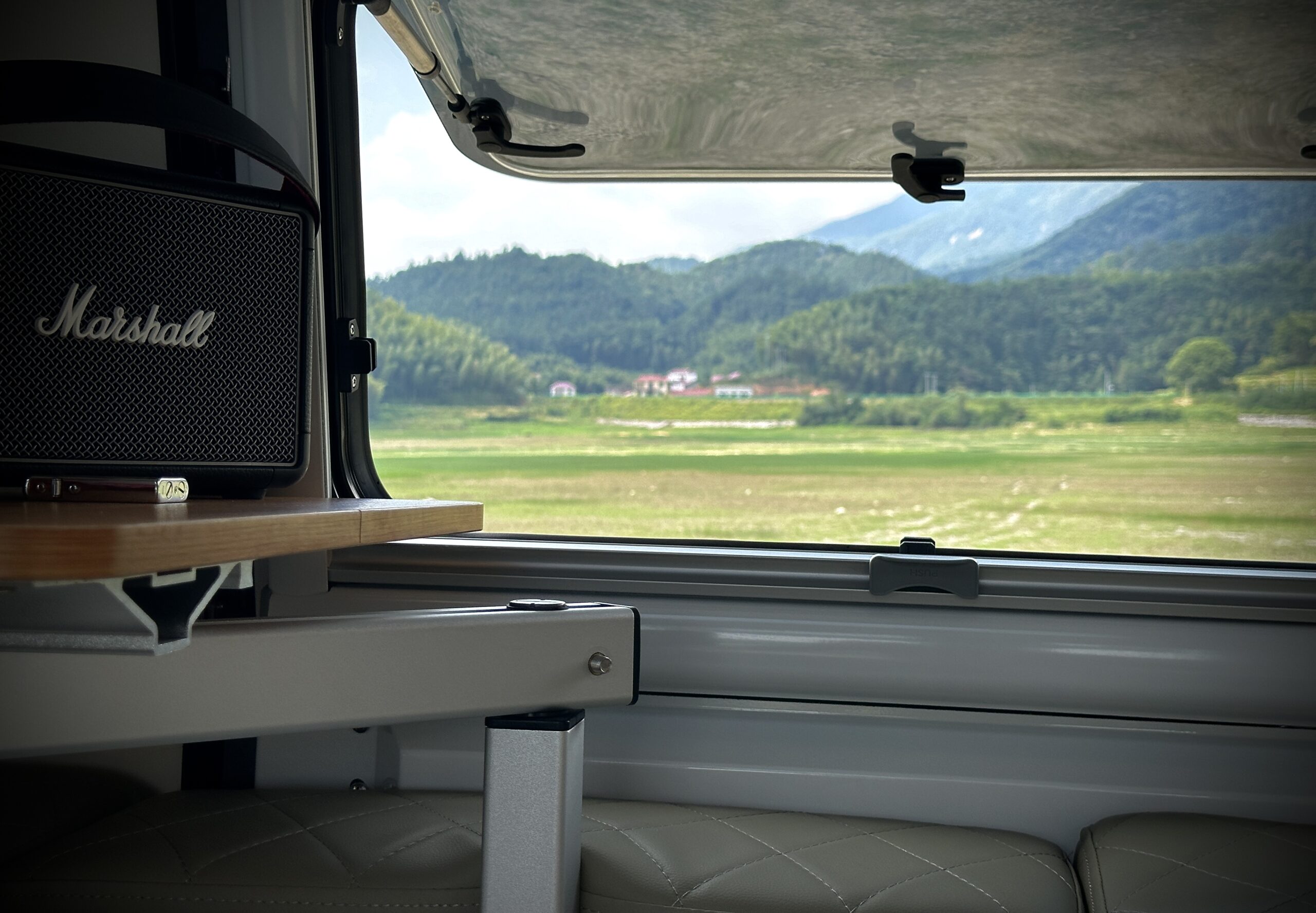
Ultimate Guide to Truck Campers Unlocking Freedom on the Road
Truck campers have emerged as a revolutionary way to embrace the adventurous spirit and explore the great outdoors without sacrificing comfort or convenience. Combining the rugged utility of a pickup truck with the cozy features of a camper, truck campers offer unparalleled freedom for travel enthusiasts, weekend warriors, and nomadic lifestyles alike. In this comprehensive guide, we delve deep into what truck campers are, their benefits, types, how to choose the right one, and tips for maximizing your experience on the road.
Understanding Truck Campers
A truck camper is a compact recreational vehicle designed to be loaded onto the bed of a pickup truck. Unlike traditional RVs, which are separate trailers or motorhomes, truck campers fit directly onto your truck’s bed, allowing for better maneuverability, versatility, and off-road access. Their unique design integrates sleeping quarters, cooking facilities, and storage within a compact footprint that leverages the existing vehicle chassis. This innovation is especially popular among outdoor enthusiasts who need a rugged yet mobile shelter that can accompany them on remote trails or campgrounds.
History and Evolution
The concept of truck campers has evolved over several decades. Initially, they were simple slide-in units with minimal amenities mainly used for weekend getaways. Over the years, advances in materials, design, and consumer demand have driven truck camper manufacturers to integrate sophisticated features such as insulated walls, hot water systems, solar power, and modern entertainment. Today’s truck campers range from basic models designed for simple shelter to luxury models rivaling full-size RVs. This evolution reflects the broader trend towards mobile lifestyles and the desire for multi-functional outdoor vehicles.
Benefits of Truck Campers
Choosing a truck camper offers numerous advantages that cater to the needs of adventurers and travelers alike.
1. Mobility and Off-Road Capability
Because the camper rides on a pickup truck frame, it retains the off-road ability and agility of your vehicle. This allows you to access remote locations that trailers or larger RVs simply cannot reach. Tight trails, mountain roads, and rugged terrain become accessible, making the truck camper ideal for hunters, hikers, and backcountry explorers.
2. Compact Size and Maneuverability
The smaller size enables easier parking, city driving, and storage compared to larger camper vans or motorhomes. Truck campers can fit into standard parking spaces and are less intimidating to drive, which appeals to new RV users or those who don’t want to handle bulky vehicles.
3. Flexibility and Convenience
Truck campers can be unloaded when not in use, allowing your truck to serve multiple purposes. For instance, during the week your vehicle can work as a regular pickup, and on weekends, it can transform into a camper for a spontaneous trip. This dual-use capability ensures you do not need a separate recreational vehicle permanently.
4. Cost-Effectiveness
When compared to full-size motorhomes or travel trailers, truck campers generally offer a more affordable entry point into RV camping. With fewer mechanical systems and a compact footprint, they tend to have lower maintenance and fuel costs, making them economical for long-term ownership.
5. All-Weather Comfort
Modern truck campers include insulated cabins, heating and cooling options, and water systems that enable comfortable living in diverse weather conditions. This all-season capability extends camping opportunities year-round.
Types of Truck Campers
The market offers a variety of truck campers tailored to different truck sizes, budgets, and user preferences. Understanding their classifications will help you make informed decisions.
1. Pop-up Truck Campers
Pop-up truck campers feature fold-down canvas or hard walls that ‘pop up’ when camping and fold down for travel. They are lightweight and compact, making them suitable for mid-size trucks. Though more basic, they provide essential shelter with some protection from the elements while maximizing fuel efficiency.
2. Slide-in Truck Campers
The most common type, slide-in truck campers slide directly onto the truck bed and are secured for travel. They come in various layouts and amenities, often including sleeping areas, kitchens, bathrooms, and storage. They are available for both mid-size and full-size trucks depending on the camper’s weight and dimensions.
3. Hard-Shell Truck Campers
These campers have rigid, solid walls made from fiberglass or composite materials. They are more durable, better insulated, and offer enhanced security compared to pop-up models. Hard-shell campers are typically heavier but provide year-round comfort and protection.
4. Flatbed Truck Campers
Designed for pickup trucks with flatbeds rather than traditional truck beds, these campers can be sized larger than slide-in models and offer increased living space and amenities. They are ideal for trucks designed for industrial or heavy-duty use with flatbed configurations.
How to Choose the Right Truck Camper
Selecting the perfect truck camper depends on a few key factors including your truck specifications, lifestyle, campsite preferences, and budget.
1. Match Camper Size with Your Truck
Know your pickup truck’s payload capacity as it determines the maximum weight of the truck camper you can safely carry. Full-size trucks generally support heavier campers with more features, while mid-size trucks are compatible with lighter and smaller campers. Overloading your truck can compromise safety and handling.
2. Determine Your Accommodation Needs
Consider how many people will sleep and live in the camper regularly. Solo travelers may opt for compact models, while families or groups might require larger campers with bunks or convertible seating. Storage capacity for gear is another consideration to evaluate.
3. Desired Amenities and Features
Think about must-have features such as bathrooms with showers, kitchens with cooking appliances, refrigeration, heating/cooling systems, and power sources like solar panels or generators. Each added amenity increases weight and cost, so prioritize based on your travel style.
4. Budget Constraints
New truck campers vary widely in price depending on size, materials, and amenities. Determine your budget upfront and factor in additional costs such as installation, maintenance, insurance, and any necessary truck upgrades to handle the camper.
5. Off-Road and Travel Intentions
If you plan extensive off-road or backcountry exploration, focus on campers designed for durability and compactness. For traveled highways and established campgrounds, you can afford larger, more comfortable models with extensive features.
Key Components and Features
Truck campers have a collection of integral components that allow independent living while traveling. Understanding them helps in identifying what suits your needs best.
Sleeping Area
Most truck campers offer a designated sleeping berth over the truck cab or inside the main living area. Some include convertible chairs or dinettes that transform into beds to maximize space.
Kitchen Facilities
A kitchenette commonly includes a stove, sink, refrigerator, and storage cabinets. Compact and functional setups allow food preparation almost anywhere.
Bathroom Options
Bathroom facilities vary from portable toilets and outdoor shower setups to built-in toilets and water tanks with hot showers. More luxurious campers include full wet baths.
Heating and Cooling
Heating options include propane furnaces and electric heaters, while air conditioning units utilize roof mounts or portable systems. Insulated cabins help maintain interior comfort in extreme temperatures.
Power and Water Systems
Electrical power is supplied by vehicle batteries, auxiliary batteries, generators, or solar panels. Freshwater tanks, greywater tanks, and blackwater tanks store and manage water for drinking, cooking, and sanitation.
Maintenance and Upkeep
Proper maintenance ensures safety, longevity, and continued enjoyment of your truck camper.
Inspect Attachment Points
Regularly check the mounts and tie-downs securing the camper to the truck bed. Tighten bolts, inspect for corrosion, and ensure stable attachment especially before long trips.
Check Seals and Roof Integrity
Water intrusion can damage interiors and electronics. Inspect seals on windows, doors, and roof regularly and reseal as needed.
Maintain Electrical Systems
Battery health, wiring insulation, and solar panel cleanliness affect power reliability. Replace or repair faulty wiring promptly.
Monitor Water System Condition
Flush water tanks seasonally to prevent buildup and use non-toxic antifreeze for winter storage.
Clean and Inspect Appliances
Stoves, refrigerators, and heaters require routine cleaning and servicing for efficiency and safety.
Popular Brands and Innovations
Leading manufacturers continually innovate to improve truck camper usability and comfort. Some noteworthy companies include:
- Four Wheel Campers: Known for lightweight, pop-up campers designed for off-road enthusiasts.
- Lance Camper: Offers hard-side slide-in campers with high-end amenities.
- Hallmark RV: Builds rugged flatbed campers popular for overland use.
- Palomino Truck Campers: Provides affordable models with modern conveniences.
Recent innovations focus on integrating solar power, smart climate control, lightweight composite materials, and modular interior designs, making truck campers more adaptable and eco-friendly than ever.
Tips for First-Time Truck Camper Owners
For newcomers, embarking on your truck camper journey can be exciting but also involves a learning curve. Consider these tips to enhance your experience:
- Start Small: Choose a modest camper to begin with and upgrade as you understand your needs better.
- Practice Driving: Get accustomed to vehicle handling with the camper installed in various conditions.
- Plan Campsites: Research campgrounds suitable for truck campers and check access rules.
- Pack Smart: Due to limited space, pack multi-purpose gear and optimize storage efficiently.
- Learn Maintenance: Familiarize yourself with basic repair skills and upkeep procedures.
The Future of Truck Camping
With growing interest in adventure travel and tiny living, truck campers are poised for ongoing evolution. Sustainability trends promote solar-powered units with zero-emission energy sources. Advancements in lightweight carbon fiber materials may reduce weight further, while smart technology integration could enhance comfort and safety. Additionally, expanding options for electric trucks as platforms will redefine what is possible with truck campers on and off the grid.
Conclusion
Truck campers represent a perfect fusion of utility, freedom, and comfort for those who seek to explore nature on their own terms. Whether scaling mountains, navigating desert trails, or simply enjoying weekend escapes, a truck camper provides the comfort of home combined with the adventure of the open road. With proper research, thoughtful selection, and maintenance, owning a truck camper can offer years of memorable journeys and a dynamic way to engage with the world.