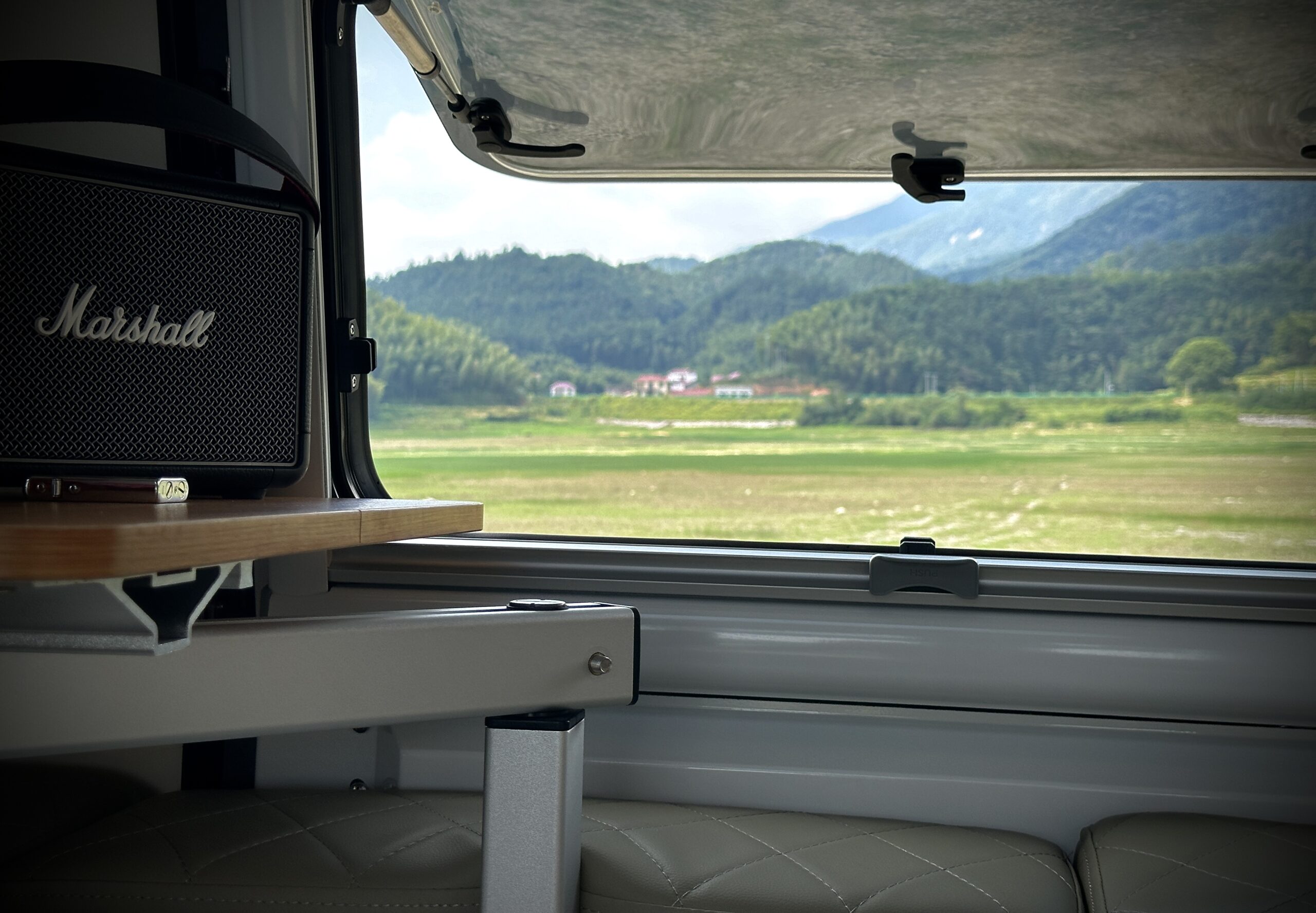
Truck campers have become an essential companion for outdoor enthusiasts, offering a perfect blend of mobility, convenience, and comfort. These versatile living spaces attached directly to pickup trucks enable adventurers to explore remote terrains without sacrificing the comforts of home. As the demand for rugged yet comfortable travel accommodations increases, innovative pickup camper boxes have stepped forward, revolutionizing the way outdoor enthusiasts experience nature.
In this comprehensive article, we will delve into the world of truck campers by exploring their history, types, design innovations, customization options, and practical usage tips. Furthermore, we’ll highlight how advanced manufacturing techniques and smart design principles are pushing the boundaries of what truck campers can offer.
History and Evolution of Truck Campers
The concept of truck campers dates back to the early 20th century when motorized travel became popular. Initially, these were simple wooden boxes mounted on pickup beds, providing minimal shelter for travelers. Over the decades, technological advancements and the rise of recreational vehicles (RVs) influenced truck camper development. Today’s campers feature sophisticated designs, combining lightweight materials, efficient space utilization, and integrated utilities to provide a home-like experience.
Originally, truck campers were primarily used by hunters and fishermen who needed portable shelter near remote hunting grounds or fishing spots. Over time, their appeal broadened to families, adventurers, and even professionals who required mobile accommodations. This expansion in demand resulted in diversified designs and the integration of modern amenities such as bathrooms, kitchens, and climate control systems.
Types of Truck Campers
Truck campers can be categorized based on their structure, size, and how they mount onto the truck. Understanding these types will help potential buyers select the most suitable model for their needs.
1. Slide-In Campers
These are the most common type that slides into the bed of a pickup truck and secures using turnbuckles or tie-downs. Their compact size makes them ideal for shorter trips but they often have limited space and amenities.
2. Pop-Up Truck Campers
Featuring collapsible roofs or sides, these campers expand to provide additional living space when stationary while remaining compact during travel. They offer a balance of convenience and space efficiency.
3. Hard-Shell Truck Campers
Constructed with rigid materials like fiberglass or aluminum, hard-shell campers are typically more durable and weather-resistant. They often include integrated amenities such as insulated walls, windows, and built-in appliances.
4. Slide-Out Campers
Advanced models utilize slide-out sections that extend when parked to increase interior space. This feature significantly enhances livability but adds weight and complexity to the camper design.
Innovations in Pickup Camper Box Design
The latest innovations in pickup camper boxes focus on maximizing comfort, durability, and versatility while minimizing weight and footprint. Here are some current trends and technological advances reshaping the camper landscape.
Lightweight Materials and Construction Techniques
Manufacturers now use composite materials, aluminum framing, and advanced insulation to reduce overall weight, improving fuel efficiency and handling. Reinforced fiberglass and carbon fiber elements enhance structural integrity against harsh environmental conditions.
Modular Interiors for Customization
Many modern campers feature modular interior components such as fold-away beds, convertible furniture, and removable storage units. This allows users to tailor the living space based on trip duration, number of occupants, and activity preferences.
Integrated Solar Power Systems
Solar panels mounted on camper roofs provide renewable energy to power appliances, lighting, and climate systems. Coupled with efficient battery storage, this setup supports off-grid camping for extended periods.
Smart Technology Integration
From Wi-Fi hotspots to remote-controlled lighting, modern campers are integrating smart technologies that enhance convenience and connectivity. Apps enable remote monitoring of battery levels, temperature control, and security systems.
Customization and Personalization Options
One of the greatest advantages of pickup camper boxes is their adaptability. Leading manufacturers offer extensive customization options to meet the unique needs of each adventurer and vehicle model.
Vehicle-Specific Fitment
Since pickup trucks vary widely in bed size, shape, and load capacity, camper boxes are custom-built to ensure a seamless fit. This not only optimizes aesthetics and aerodynamics but also maximizes safety and comfort during travel.
Interior Configurations
Depending on user preferences, interiors can be configured with various layouts including full kitchens, bathrooms with showers, lounging areas, or sleeping quarters. This flexibility allows campers to match their camper box with their lifestyle and travel habits.
Exterior Features
From awnings and storage compartments to external grills and bike racks, customizable exterior features enhance usability and outdoor living experiences. Weatherproof finishes and additional insulation packages ensure durability under different climates.
Practical Tips for Using and Maintaining Truck Campers
Owning a truck camper requires some knowledge and care to ensure longevity, safety, and optimal performance.
Weight Management and Load Distribution
Proper loading and weight distribution are critical to maintaining vehicle stability and preventing damage. Always check the truck’s payload capacity and evenly distribute heavy items within the camper box.
Regular Maintenance Checks
Inspect seals, electrical connections, and plumbing regularly for leaks or damage. Cleaning the exterior and interior keeps materials in good condition and prevents mold or corrosion.
Safe Driving Practices
Due to added height and weight, driving with a camper requires adjustment in maneuvering, braking distances, and speed. Be mindful of overhead clearances and road conditions.
Winterizing the Camper
When camping in colder climates, proper insulation and the use of heaters designed for confined spaces are important. Drain water systems before freezing temperatures to avoid pipe damage.
Environmental and Economic Benefits of Truck Campers
Truck campers offer several advantages beyond convenience and comfort. Their smaller footprint compared to traditional RVs reduces environmental impact, and their fuel efficiency lowers overall travel costs.
Reduced Environmental Impact
Smaller size and lightweight construction mean less fuel consumption and emissions. Solar power options further minimize dependence on fossil fuels during camping.
Cost-Effective Travel
Truck campers generally cost less to manufacture and maintain than larger RVs. They allow users to avoid hotel expenses and provide flexibility in selecting camping spots, often eliminating the need for expensive campgrounds.
Conclusion
Innovative pickup camper boxes have transformed the outdoor adventure experience by merging mobility with the comforts of home. Their evolution from basic shelter units to sophisticated travel companions reflects continuous advancements in materials, design, and technology. Whether a weekend traveler or an off-grid explorer, truck campers provide unmatched flexibility and freedom.
By understanding the types, innovations, and maintenance considerations outlined above, prospective owners can make informed decisions to find or customize a pickup camper perfect for their adventures. Furthermore, embracing sustainable technologies and mindful usage will ensure that these mobile havens remain a viable solution for decades of outdoor exploration to come.