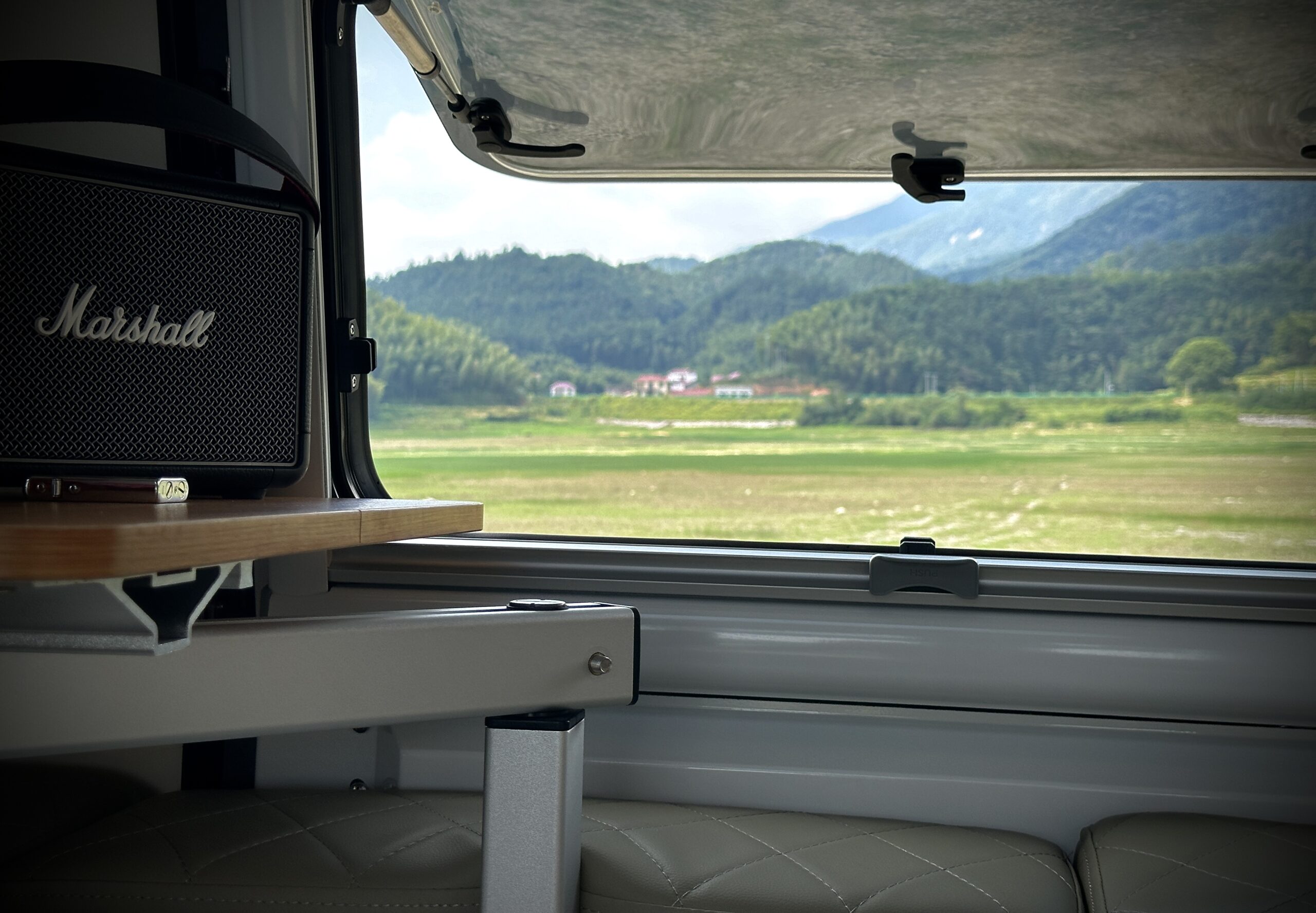
The advent of truck campers has transformed the way outdoor enthusiasts explore the wilderness, combining mobility, comfort, and efficiency into one versatile package. Unlike traditional RVs or trailers, truck campers are designed to be mounted directly onto the bed of a pickup truck, allowing for enhanced maneuverability and accessibility to remote locations. This integration provides an unparalleled balance between rugged adventure and home-like amenities.
In this article, we will explore the evolution, types, benefits, customization options, and practical considerations of truck campers. Whether you are a seasoned traveler or a novice looking to delve into overlanding, understanding the nuances of these mobile dwellings can help you make informed decisions and enhance your outdoor experiences.
Evolution and History of Truck Campers
The concept of traveling with a camper attached to a vehicle dates back to the early 20th century. Initially, campers were basic enclosures to provide shelter during long road trips. Over decades, technological advancements and shifts in outdoor culture led to more sophisticated designs tailored to specific vehicles, notably pickup trucks.
Truck campers gained significant popularity in the mid-20th century, fueled by the rise of recreational vehicle travel and the American love for the great outdoors. Manufacturers began offering various camper sizes and features that catered to all types of travelers—from weekend adventurers to full-time nomads. Today, innovation plays a critical role, with modern truck campers integrating lightweight materials, solar power systems, and ergonomic layouts that optimize every inch of space.
Types of Truck Campers
Understanding the different types of truck campers is essential before making a purchase. The following are the primary categories, each catering to different needs and preferences:
Slide-In Campers
Slide-in campers are the most common type, designed to slide into and secure within the bed of a pickup truck. These campers typically extend over the cab area, providing additional sleeping or storage space. Their compact design maintains some degree of off-road capability due to preservation of the truck’s original ground clearance.
Pop-Up Truck Campers
Pop-up campers feature collapsible roofs or sides that expand when parked to create more living space. This design allows for easier storage and transport while providing the benefit of a larger interior once deployed. They are generally lightweight and offer excellent ventilation, making them ideal for warmer climates and those prioritizing minimalism.
Hard-Shell Campers
Hard-shell campers provide a durable, insulated exterior that protects occupants from harsh weather conditions. These campers often include amenities such as bathrooms, kitchens, and climate control systems. Due to their robust construction, hard-shell units tend to be heavier and require trucks with higher payload capacities.
Specialized and Custom Campers
For enthusiasts seeking tailored solutions, custom truck campers are designed to specific requirements, including unusual pickup models, additional features, or unique aesthetic preferences. Customization allows for greater personalization but typically comes at a higher cost and longer lead times.
Benefits of Truck Campers
Truck campers offer numerous advantages that make them appealing compared to other types of recreational vehicles:
Portability and Accessibility
Because truck campers are mounted directly on trucks, they maintain much of the truck’s original off-road capabilities and size advantages, enabling access to remote or rugged terrains where larger RVs cannot venture. This makes them ideal for camping in national parks, backcountry trails, or off-the-beaten-path locations.
Cost-Effectiveness
Truck campers often require a lower initial investment compared to traditional motorhomes or towable trailers. Additionally, using a single vehicle for both transportation and accommodation can reduce maintenance and fuel expenses, providing a budget-friendly option for many adventurers.
Versatility
The pickup truck can be used independently when the camper is removed, serving typical daily driving or hauling purposes. This dual functionality maximizes the utility of your vehicle and reduces the need for multiple specialized units.
Comfort and Convenience
Modern truck campers offer a surprising amount of comfort despite their compact size. They often include sleeping quarters, cooking areas, refrigeration, and even bathroom facilities. This level of comfort enhances outdoor experiences by minimizing the need to rely on external facilities or tents.
Environmentally Friendly
Many truck campers incorporate sustainable materials and energy-efficient technologies such as solar panels, LED lighting, and water-saving appliances. Their smaller footprint compared to large RVs can result in lower environmental impact, appealing to eco-conscious travelers.
Key Features and Amenities in Modern Truck Campers
Innovations and careful design have made truck campers increasingly self-sufficient and comfortable. Common features include:
- Sleeping Areas: Murphy beds, convertible dinettes, or loft beds that maximize space and comfort.
- Kitchenette: Compact refrigerators, two-burner stoves, sinks with running water, and storage cabinets.
- Bathroom Facilities: Portable or fixed toilets, showers, and grey water tanks, depending on the camper size and design.
- Climate Control: Built-in heating and air conditioning systems for year-round usability.
- Electrical Systems: Dual battery setups, solar panels, inverter systems, and multiple charging ports for gadgets.
- Storage Solutions: Strategically designed compartments, under-bed storage, and exterior lockable boxes.
Customization Options and Considerations
Customization allows owners to tailor their truck campers to specific lifestyles, travel plans, and vehicle models. Important considerations include:
Vehicle Compatibility
Understanding the payload capacity and bed dimensions of your pickup truck is crucial. Custom camper designs should respect these limits to ensure safety and performance. Manufacturers often work closely with clients, providing guarantees that the camper fits and functions properly with the specified truck model.
Material Choices
Lightweight materials such as aluminum and fiberglass are popular for constructing camper shells to reduce weight yet maintain durability. Insulation type and thickness also affect comfort and energy usage, particularly in climates with extreme temperatures.
Layout and Interior Design
Maximizing usable space is essential in small truck campers. Modular furniture, foldable beds, and multi-purpose areas create functional living environments. Personal preferences for cooking, sleeping, and storage dictate layout specifics.
Energy and Water Systems
Solar panels and battery capacity determine off-grid capabilities. Water tanks and filtration systems influence how long travelers can sustain themselves autonomously. Designers can integrate advanced electrical and plumbing systems tailored to anticipated travel conditions.
Exterior Features
Awning systems, roof racks, and exterior showers extend outdoor living options. Some campers incorporate exterior lighting and security measures, enhancing convenience and safety during camping stays.
Maintenance and Practical Tips for Truck Camper Owners
Proper maintenance is vital for ensuring longevity and safety. Tips include:
- Regular Inspection: Check seals, joints, and mounting hardware routinely to prevent leaks and ensure secure attachment.
- Cleaning: Clean interior surfaces and exterior shells often to avoid buildup of dirt and mildew.
- Weight Management: Avoid exceeding payload limits; redistribute cargo weight evenly in storage compartments.
- System Checks: Maintain water, electrical, and propane systems according to manufacturer guidelines.
- Storage: Store campers in covered or sheltered locations during off-season to minimize weather-related wear.
Popular Brands and Industry Trends
Leading manufacturers continually push the boundaries of design, combining ruggedness with luxury. Trends include increased use of eco-friendly materials, smart home technology integration, and enhanced modularity for easier upgrades. Companies specializing in pickup camper boxes offer customization to fit different truck makes and models, ensuring a perfect match for clients’ vehicles.
Additionally, the growth of overlanding culture and increased interest in sustainable travel fuels innovations in power management, off-grid capabilities, and space-saving designs. Social media and online communities foster knowledge sharing, helping potential buyers make confident decisions.
Conclusion
Truck campers represent a dynamic fusion of adventure and comfort, enabling travelers to explore diverse landscapes with flexibility and style. Their compact design, adaptability, and modern amenities make them appealing options for those seeking independence while minimizing environmental impact.
When selecting or customizing a truck camper, understanding your vehicle’s specifications, travel needs, and lifestyle preferences will guide you toward the ideal setup. With ongoing advancements in materials and technology, the future of truck campers looks promising, opening new frontiers for mobile living and exploration.
Whether you are embarking on backcountry expeditions, family vacations, or weekend escapes, investing in a well-designed truck camper can elevate your outdoor experiences to unprecedented levels of freedom and enjoyment.