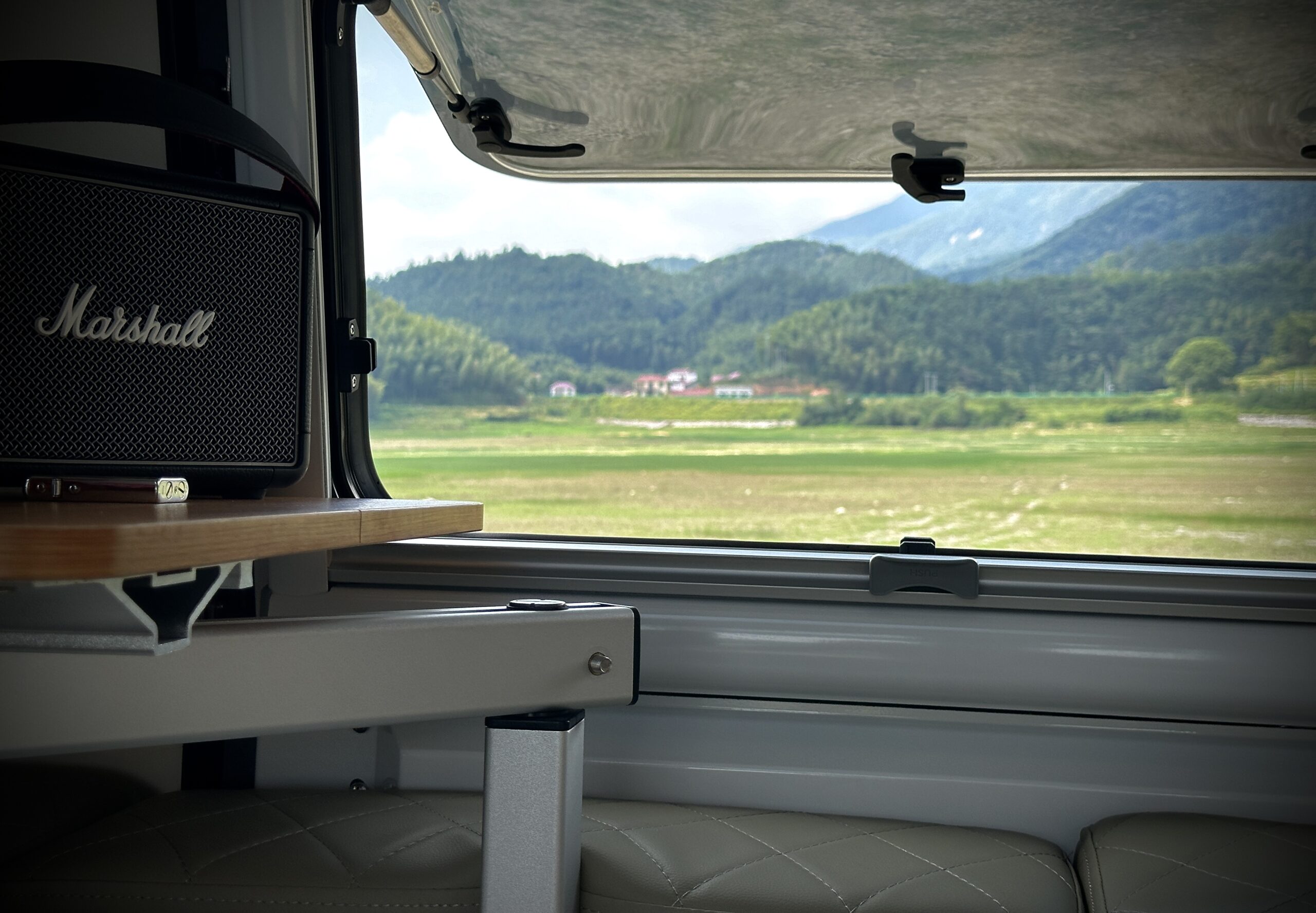
Truck campers have revolutionized the way adventurers and travelers explore the great outdoors, offering unparalleled mobility combined with the comforts of home. These versatile vehicles, designed to be mounted on the beds of pickup trucks, provide a perfect solution for individuals looking to experience nature without sacrificing convenience and practicality. Over the past few decades, the development of truck campers has seen significant advancements in materials, design, and functionality, making them a preferred choice for many camping enthusiasts.
What is a Truck Camper?
A truck camper is a self-contained unit that fits into the bed of a pickup truck, allowing the vehicle to serve both as transportation and living accommodation. Unlike traditional RVs or travel trailers, truck campers are designed to be more compact and agile, making them ideal for navigating remote or rugged landscapes. This unique blend of a pickup truck and camper provides a level of flexibility not commonly found in other recreational vehicles.
The core components of a truck camper include sleeping quarters, kitchen facilities, and often bathroom amenities. Depending on the model and customization, truck campers can vary widely in size and features, accommodating anywhere from solo travelers to small families. The ability to customize these units to fit different pickup models adds an extra layer of convenience and personalization for users.
Advantages of Truck Campers
One of the primary advantages of a truck camper is its compactness and maneuverability. Because the camper is mounted directly onto the truck bed, the combination remains more compact than towing a trailer or driving a full-sized motorhome. This allows owners to access locations that may be difficult or impossible for larger RVs to reach, such as narrow trails, steep mountain roads, or congested urban areas.
Additionally, pickup trucks with campers mounted can easily detach the unit, allowing the truck to be used independently. This versatility means you can use your truck for daily errands or work and then quickly convert it into a camper when ready for your next adventure. This dual-purpose flexibility is not only convenient but also cost-effective, eliminating the need for specialized vehicles solely for camping.
Another significant benefit is the ruggedness and durability that truck campers offer. Many campers are constructed with robust materials designed to withstand harsh weather conditions and rough terrain, ensuring reliability and safety. This durability extends the lifespan of the camper and gives owners peace of mind when venturing off the beaten path.
Customization and Design Features
Modern truck campers are highly customizable to meet the diverse needs of adventurers. From compact, minimalist designs focused on lightweight construction to luxurious models loaded with amenities, there is a truck camper suitable for every type of traveler.
Common customization options include:
- Sleeping Arrangements: Options range from simple bench beds to fully equipped queen-sized mattresses, often with convertible features to optimize available space.
- Kitchen Facilities: Equipped with compact stoves, refrigerators, and sinks that use efficient water systems, many campers replicate the functionality of home kitchens on a smaller scale.
- Bathroom Amenities: Depending on size and weight capacities, some truck campers include portable toilets, showers, and freshwater tanks for extended comfort.
- Storage Solutions: Innovative storage compartments, expandable racks, and fold-out features help maximize limited space without compromising convenience.
- Power and Connectivity: Solar panels, battery systems, and inverters enable off-grid living with sufficient energy to power lighting, appliances, and electronic devices.
The exterior design also plays a vital role in truck camper functionality. Aerodynamic shapes reduce wind resistance and improve fuel efficiency during travel. Weatherproof materials and insulation ensure the interior remains comfortable across different climates.
Materials and Construction Technologies
Advances in materials science and construction technologies have significantly enhanced the quality and performance of truck campers. Lightweight composites, aluminum framing, and high-strength plastics are commonly used to reduce weight without compromising strength. This lightweight construction improves fuel efficiency and ease of mounting or dismounting the camper unit from the truck.
Many manufacturers incorporate modular design principles, allowing for easy upgrades, maintenance, and repairs. Modular interiors mean that sections like the kitchen or sleeping areas can be upgraded or swapped out based on user preferences or new technological advancements.
Types of Truck Campers
Truck campers come in several different styles, each tailored to specific needs and destinations.
- Pop-Up Truck Campers: These utilize expandable sections or roofs that can be raised when parked to increase interior space. They remain compact during travel and offer great versatility for solo or duo travelers.
- Cab-Over Campers: Featuring an extended sleeping area above the truck cab, these campers maximize use of vertical space. This style is very popular due to its efficient design and spacious feeling.
- Hard-Sided Campers: Constructed with solid walls and roofs, these offer protection from the elements and excellent insulation. They tend to be heavier but provide more durability and comfort.
- Hybrid Models: Combining features such as hard sides with pop-up roofs, these campers blend the benefits of various designs to provide a balance of comfort, weight, and storage.
Choosing the Right Truck Camper
Selecting the perfect truck camper depends on several factors, including your truck’s make and model, intended camping style, budget, and feature preferences.
First, it’s critical to understand the payload capacity of your pickup truck. Each truck has a specified maximum weight it can carry, known as its payload limit. Overloading can damage the truck and reduce safety and performance. Knowing this limit helps narrow down camper options compatible with your vehicle.
Next, consider what amenities you need. Are you planning short weekend trips or extended journeys? Will you camp in cold or hot climates? Do you require full kitchen and bathroom facilities, or will a minimalist setup suffice? Answering these questions ensures that you choose a camper tailored to your lifestyle.
Finally, factor in budget. Truck campers range from reasonably priced basic models to high-end luxury units. Additional costs may include installation, maintenance, and optional accessories, so plan accordingly.
Maintenance and Care
Proper maintenance extends the life of a truck camper and ensures reliable performance. Regular inspections of seals, joints, and hardware prevent leaks and structural damage. Electrical and plumbing systems should be checked periodically to avoid malfunctions during trips.
Cleaning the interior and exterior after use helps maintain the camper’s condition and appearance. During off-seasons, it’s advisable to store the camper in a covered or climate-controlled environment to protect it from UV rays, moisture, and temperature extremes.
Truck Campers as Emerging Trend in Outdoor Travel
With growing interest in outdoor experiences and flexible travel options, truck campers are gaining popularity worldwide. Their ability to provide comfort in remote locations attracts adventurers who want to explore beyond traditional campgrounds. Additionally, their compact footprint aligns with eco-friendly travel trends, as they typically use less fuel and allow for smaller campsites.
Food trailers and towable mobile restroom/shower trailers are complementary units often used alongside truck campers for extended group travels or commercial ventures. These additional trailers enhance camping convenience by providing specialized facilities detached from the living quarters.
Future of Truck Campers
Technological innovations continue to shape the development of truck campers. Integration of renewable energy sources, such as advanced solar technology and energy-efficient appliances, is becoming standard. Smart home systems tailored for campers, including remote monitoring and control of climate, lighting, and security, are also emerging.
Moreover, sustainable materials and greener manufacturing processes are increasingly prioritized by leading manufacturers. This aligns with a global movement toward reducing environmental impact, appealing to eco-conscious travelers.
Conclusion
Truck campers represent a dynamic and practical solution for those seeking freedom and adventure without sacrificing the comforts of home. Their ability to transform a pickup truck into a versatile living space provides travelers with unprecedented access to remote destinations. Through continued innovation, customization options, and expert craftsmanship, truck campers are positioned to remain a favored choice among outdoor enthusiasts for years to come.
Whether you are a weekend warrior, seasoned explorer, or commercial user looking for reliable mobile solutions, understanding the variety, benefits, and care of truck campers is essential. By matching your needs with the right camper and maintaining it properly, you can enjoy countless memorable journeys enriched with convenience, safety, and style.