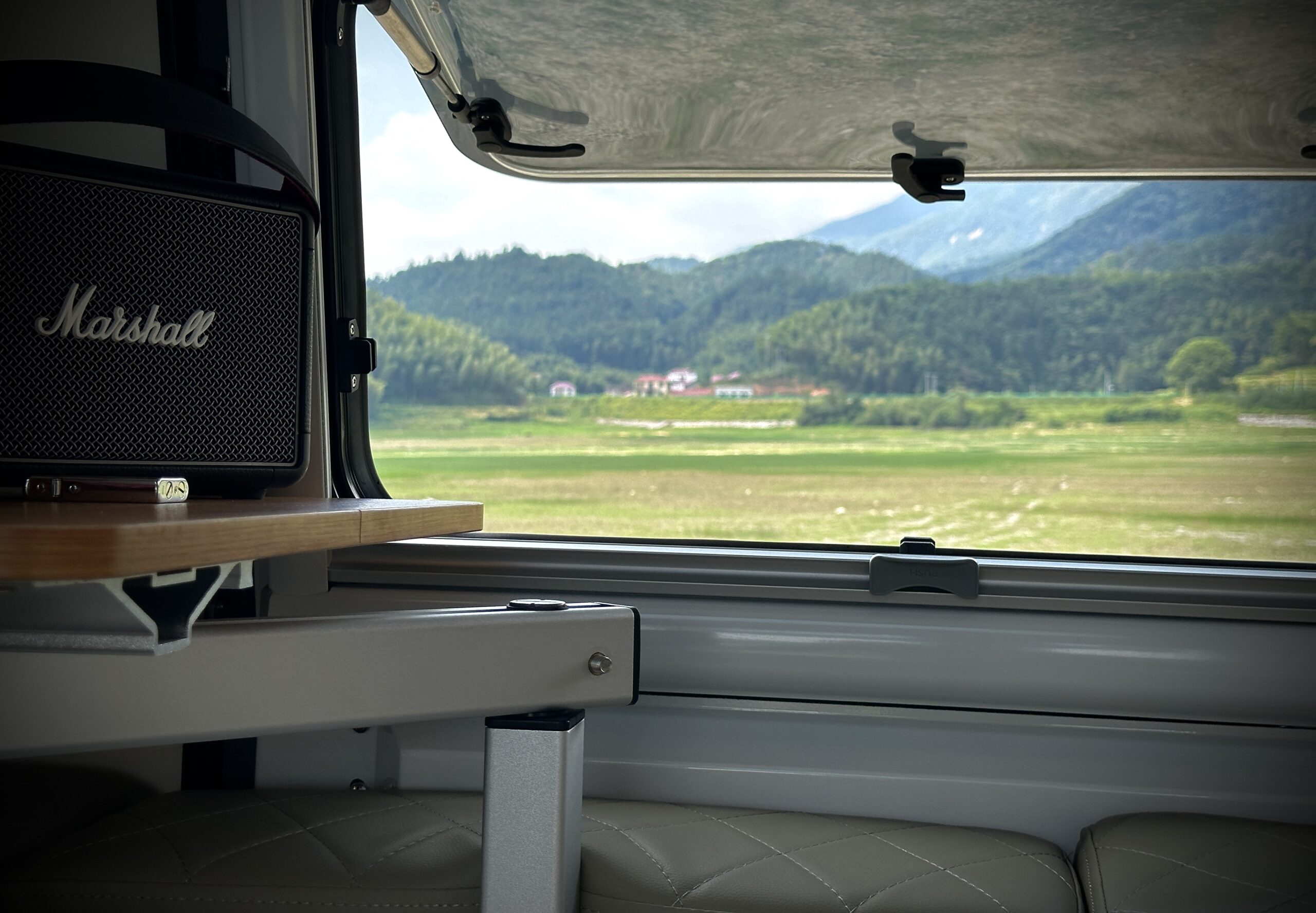
Truck campers have become an increasingly popular choice for outdoor enthusiasts who crave both adventure and comfort. These versatile vehicles allow travelers to explore off-the-beaten-path destinations with the convenience of a mobile living space. By combining utility, mobility, and modern amenities, truck campers offer a unique solution for those seeking freedom on the road without compromising on the comforts of home.
At their core, truck campers are specialized living units designed to be transported on the bed of a pickup truck. Unlike traditional RVs or motorhomes, they leverage the agility and durability of pickup trucks, making them highly maneuverable in various terrains. Whether navigating rugged mountain trails, sandy beaches, or remote desert landscapes, truck campers provide the perfect blend of practicality and adventure.
History and Evolution of Truck Campers
The concept of truck campers dates back several decades as an answer to the need for compact and mobile living spaces. Early models were minimalist, focusing primarily on shelter and basic sleeping arrangements. However, as interest in outdoor recreation and van life culture grew, manufacturers began integrating more sophisticated features such as kitchenettes, bathrooms, and even climate control systems.
Today’s truck campers represent a significant evolution, with designs that emphasize lightweight construction, aerodynamic profiles, and eco-friendly materials. Advances in technology have further enhanced their appeal, incorporating solar panels, LED lighting, and smart storage solutions to optimize every inch of available space.
Types of Truck Campers
Truck campers come in a variety of styles and configurations to suit different needs and preferences. The most common categories include:
- Flatbed Campers: Built to fit on a standard flatbed truck, these campers offer a spacious interior and customizable layout options. They are ideal for larger pickup trucks and often feature slide-outs to expand living space.
- Slide-In Campers: Designed for shorter truck beds, slide-in campers slide directly into the truck bed and lock securely in place. They provide ease of installation and removal, making them flexible for various uses.
- Pop-Up Truck Campers: Featuring collapsible roofs or extensions, pop-up campers reduce wind resistance while driving and expand the interior space when parked. They are lightweight and provide excellent ventilation.
Benefits of Choosing a Truck Camper
Truck campers offer a host of benefits that cater to diverse adventuring styles:
- Maneuverability: Unlike large RVs, pickup trucks with campers can navigate narrow roads, tight trails, and crowded campgrounds more easily.
- Fuel Efficiency: Generally, truck campers use less fuel compared to full-sized motorhomes because they take advantage of the existing pickup truck engine.
- Versatility: Campers can be removed when not in use, allowing the truck to serve everyday functions like hauling cargo or commuting.
- Cost-Effective: For many, truck campers present a more affordable option than traditional RVs, both in terms of initial investment and maintenance costs.
- Customization: Campers can be tailored to fit individual pickup truck models and customized with features that suit the owner’s lifestyle, whether it involves cooking, sleeping, or work on the go.
Key Features to Look for in a Truck Camper
When choosing a truck camper, it is important to consider features that match your intended use and comfort requirements:
- Size and Weight: Ensuring the camper does not exceed the payload capacity of your truck is critical for safety and vehicle performance.
- Sleeping Arrangements: Look for configurations that comfortably accommodate all travelers, whether using fold-out beds, bunks, or over-cab sleeping platforms.
- Kitchen Facilities: Compact kitchens with stove tops, sinks, and refrigerators enhance camping experiences by enabling cooking and food storage.
- Bathroom Amenities: Some campers include wet baths or cassette toilets for added convenience during remote stays.
- Climate Control: Heating and air conditioning systems allow comfortable living in varying weather conditions.
- Storage Solutions: Efficient storage is vital to organize gear, supplies, and personal items without cluttering the space.
Customizing Your Truck Camper
With the explosion of creativity and technology in the camper industry, customization has become a hallmark of truck campers. Many manufacturers offer modular designs and optional upgrades to tailor campers for specific needs:
- Solar Power Systems: Solar panels paired with batteries provide sustainable off-grid power, reducing reliance on generators or shore power.
- Awning Attachments: Extend your living space outdoors with retractable awnings that provide shade and shelter from rain.
- Enhanced Insulation: Upgrading insulation improves energy efficiency and comfort during extreme temperatures.
- Entertainment Systems: Options such as built-in speakers, flat-screen TVs, and WiFi boosters elevate the relaxation experience.
- Exterior Storage Boxes: Additional compartments outside the camper allow easy access to tools, fishing gear, or outdoor cooking equipment.
Choosing the Right Pickup Truck for Your Camper
Compatibility between your pickup truck and camper is essential for a safe and enjoyable experience. Considerations include:
- Payload Capacity: The maximum weight your truck can handle, including passengers, fuel, and the camper itself.
- Bed Size: Camper dimensions must fit within the length, width, and height of your truck bed without obstructing rearview visibility or access.
- Drive Type: Four-wheel drive options are preferable for off-road adventures and challenging terrains.
- Engine Power: Trucks with higher torque and horsepower will manage the added weight more efficiently.
Maintenance Tips for Truck Campers
Proper maintenance ensures the longevity and reliability of your truck camper. Recommended practices include:
- Regular Inspection: Check seals, joints, and chassis components for wear or damage to prevent leaks and ensure structural integrity.
- Battery Care: Maintain battery charge levels, clean terminals, and store batteries safely during off-seasons.
- Appliance Upkeep: Service kitchen and bathroom appliances according to manufacturer guidelines.
- Cleaning: Keep interiors clean to prevent mold and odors; clean exterior surfaces to protect finishes from weather and debris.
- Tire and Suspension: Inspect tire pressure and tread wear regularly, and maintain suspension components to handle loads safely.
Popular Brands and Manufacturers
Several brands have established reputations in the truck camper market by combining quality craftsmanship with innovation. Some notable manufacturers include:
- Four Wheel Campers: Known for rugged pop-up campers optimized for off-road use.
- Northstar Campers: Offers durable models with smart layouts and heavy-duty construction.
- Lance Campers: Featuring aerodynamic designs with modern finishes and expandable interiors.
- Host Camper: Specializes in lightweight flatbed models ideal for larger pickups.
- China Leading Truck Camper Manufacturers: Chinese companies provide competitive pricing and customizable camper boxes that fit various pickup models, catering increasingly to global markets.
Truck Campers and Sustainable Travel
Embracing sustainability is an important trend shaping the camper industry. Truck campers can promote eco-friendly travel by:
- Using Solar Power: Reduces dependency on fossil fuels and noisy generators.
- Minimizing Waste: With compact living spaces encouraging simpler lifestyles and responsible consumption.
- Efficient Water Use: Incorporating water-saving faucets and tanks optimized for reduced waste.
- Low Impact Camping: Enabling access to dispersed camping areas and reducing strain on crowded campgrounds.
Future Trends in Truck Camper Design
The future of truck campers holds exciting possibilities enhanced by technological innovations and shifting travel habits. Anticipated trends include:
- Smart Technology Integration: Voice-activated controls, remote monitoring, and app-connected systems for convenience and safety.
- Lightweight Materials: Using carbon fiber and composites to reduce weight and improve fuel efficiency.
- Modular Interiors: Configurable spaces that adapt to work, recreation, or sleeping as needed.
- Enhanced Off-Grid Capabilities: Larger solar arrays, improved battery storage, and water harvesting technologies.
- Electric and Hybrid Trucks: Growing availability of electric trucks will encourage camper designs that complement electric drivetrains for quiet, clean adventures.
Conclusion
Truck campers represent a dynamic and practical solution for adventurers eager to explore without sacrificing comfort. Their adaptability, cost-effectiveness, and customizable nature make them an ideal choice for a wide range of travelers—from weekend escapees to full-time nomads. By selecting the right combination of truck and camper, investing in essential features, and maintaining the vehicle properly, owners can enjoy countless memorable journeys across diverse landscapes.
As technology advances and outdoor lifestyles continue to evolve, truck campers are poised to remain a key player in the realm of recreational vehicles, enabling users to embrace the freedom of the open road with confidence and style.