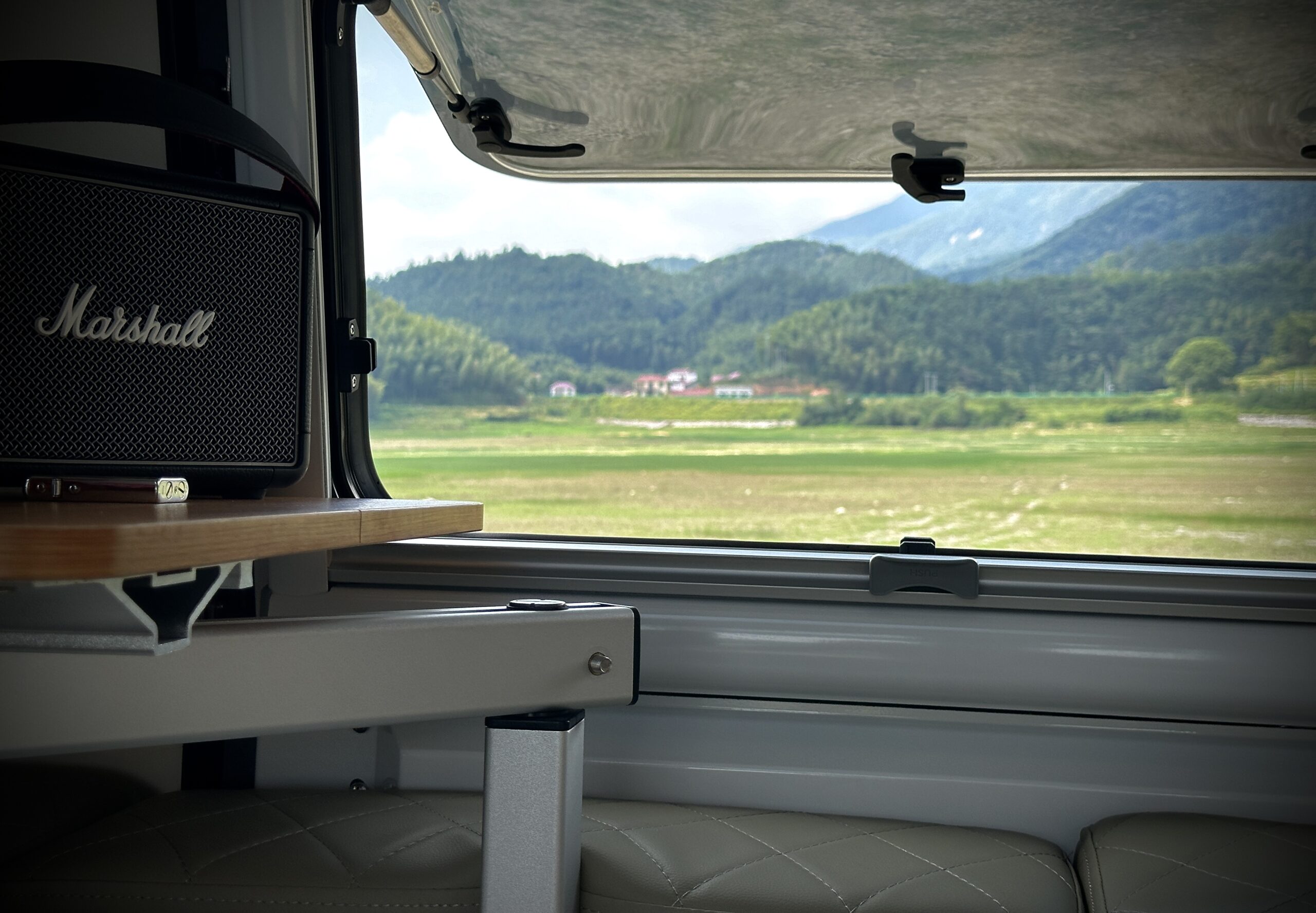
Truck campers have revolutionized the way adventurers, travelers, and outdoor enthusiasts experience the world. Combining the versatility of pickup trucks with the convenience of a compact living space, truck campers deliver unparalleled freedom and flexibility. Whether you are planning a weekend getaway or an extended journey, a truck camper provides the comfort and functionality needed to explore remote destinations without compromising on essentials. This article delves deeply into the world of truck campers, exploring their design, advantages, types, customization options, and maintenance tips, helping you make an informed decision whether to invest in one or simply expand your knowledge about this innovative travel solution.
Understanding Truck Campers
A truck camper is a portable living unit designed to fit on the bed of a pickup truck. Unlike traditional RVs or motorhomes that require dedicated driving mechanisms, truck campers are detached and loaded onto a truck, enabling the vehicle to remain multifunctional. This setup grants you the best of both worlds: a full-sized truck for daily use and a cozy camper for weekend escapes or longer trips.
The compact design typically includes essential amenities such as sleeping quarters, a kitchenette, storage areas, and sometimes even a small bathroom. Modern advancements in manufacturing and design have improved materials and layouts, making these campers more lightweight, aerodynamic, and energy-efficient.
Advantages of Truck Campers
One of the primary benefits of owning a truck camper is mobility. Since it sits on the bed of your truck, you can detach the camper, leaving the truck accessible for local driving or errands even while the camper remains stationary at your campsite. This flexibility is highly sought after by many travelers, enabling spontaneous trips without the hassle of towing a trailer or driving a large motorhome.
Another significant advantage is versatility. Truck campers can handle a variety of terrains; their compact size allows access to remote areas and narrow trails that larger RVs cannot reach. For off-road enthusiasts or those seeking solitude in nature, this feature represents a substantial benefit.
Additionally, maintenance costs and storage requirements are often lower than larger recreational vehicles. Since truck campers are smaller and simpler in design, they tend to be easier to maintain, and storage options can be more versatile – often requiring less space or can be stored off-site.
Types of Truck Campers
Truck campers come in several types, each catering to different preferences and truck configurations. Understanding these variations helps in selecting the camper best suited to your lifestyle and vehicle.
- Slide-In Campers: The classic style, these campers fit into the bed of the pickup truck and are supported by the truck’s frame. Slide-ins usually extend over the cab, providing extra sleeping or storage area.
- Pop-Up Campers: Designed with accordion-style canvas sides or roofs, these campers fold down into a compact profile for travel but expand vertically once parked to create more living space. Their lightweight nature makes them ideal for smaller trucks.
- Hard-Side Campers: Featuring rigid walls and roofs, these campers provide better insulation, security, and durability but tend to weigh more. They include fully enclosed living spaces and are often equipped with additional amenities.
- Flatbed Campers: These are mounted on flatbed trucks and offer more flexibility in design and interior space. Often used for larger or custom vehicles, flatbed campers allow for more elaborate arrangements but require specialized mounting.
- Pop-Out Campers: Similar to slide-outs found in larger RVs, these campers include sections that slide outward to increase interior room when parked, enhancing comfort without increasing road width during travel.
Customization Options
One of the most appealing aspects of truck campers is their customizability. Manufacturers and aftermarket companies offer extensive options to tailor every detail to your needs, whether it’s optimized storage, specialized appliances, or unique designs.
Size and Layout
Depending on the size of your pickup truck, you can choose from a variety of camper dimensions. Many manufacturers can custom-fit a camper to your truck’s make and model, ensuring a perfect balance of comfort and weight distribution. The layout options range from simple single-room units to complex interiors with dedicated kitchen areas, bathrooms, convertible dining spaces, and multiple sleeping berths.
Materials and Construction
Lightweight materials such as fiberglass, aluminum, and composite panels are commonly used for durability and to reduce the overall weight of the camper. Insulation choices also affect comfort and energy efficiency, allowing you to camp in different climates. Some models offer solar panels for powering appliances off-grid, along with battery banks and efficient LED lighting systems.
Interior Features
You can customize interior finishes, cabinetry, upholstery, and flooring to match your style and preferences. Inclusion of modern appliances like induction cooktops, mini-fridges, hot water heaters, and compact toilets are standard in many units, with luxury models offering air conditioning, entertainment systems, and advanced climate control.
Safety and Security
Adding features such as reinforced locks, fire suppression systems, propane detectors, and secure mounting hardware helps ensure safety during travels. Weatherproof seals and UV-resistant coatings also protect the camper from environmental damage.
Choosing the Right Truck Camper
Selecting the ideal truck camper involves assessing your personal needs, budget, and vehicle compatibility. Here are factors to consider:
- Truck Size and Payload Capacity: Ensure that the camper’s weight does not exceed your truck’s payload capacity. Overloading can cause safety issues and vehicle damage.
- Usage Frequency and Purpose: If you plan weekend trips, a smaller, simpler camper might suffice. For year-round or long-term use, a well-equipped, insulated camper could be more comfortable.
- Climate and Environment: Consider insulation, heating, and cooling features based on the climates where you’ll travel. Some campers are better suited for cold weather while others excel in warmer areas.
- Budget: Pricing varies widely depending on size, features, and materials. Factor in not just the initial cost but also outfitting, maintenance, and insurance.
- Storage and Maintenance: Evaluate where and how you will store the camper off-season and your ability to perform routine maintenance or repairs.
Maintenance and Care for Truck Campers
Proper maintenance prolongs the life of your truck camper and ensures it performs well on every trip. Here are essential maintenance tips:
- Regular Cleaning: Keep the exterior and interior clean to prevent mold, mildew, and dirt buildup. Use appropriate cleaning agents to protect materials.
- Inspect Seals and Roofs: Check seals, seams, and roof surfaces for cracks or damage to prevent leaks. Reseal or repair as needed.
- Appliance Servicing: Maintain stoves, refrigerators, heaters, and electrical systems to ensure safety and reliability.
- Battery and Electrical System: Charge and test batteries regularly, inspect wiring for corrosion, and protect electrical components.
- Storage Considerations: Store your camper in a dry, shaded area or use protective covers to shield it from weather and UV damage.
- Winterizing: If storing in freezing conditions, drain water tanks and pipes or use antifreeze to prevent damage.
Future Trends in Truck Campers
As outdoor recreation continues growing in popularity, truck campers are evolving to meet changing consumer demands. We can anticipate ongoing innovations such as ultra-lightweight materials that further reduce weight, integration of renewable energy solutions like solar arrays and battery storage, and smart technology for remote monitoring and automation.
More manufacturers are focusing on sustainable and eco-friendly production processes, using recyclable materials and minimizing waste. Additionally, designs are becoming increasingly modular, allowing owners to swap out or upgrade components easily.
Conclusion
Truck campers represent an exciting travel solution that blends the rugged capability of pickup trucks with the convenience of a mobile living space. They offer unmatched mobility, access to remote destinations, and the comfort necessary to enjoy the great outdoors. By understanding the types, customization options, and maintenance requirements, you can choose a truck camper that perfectly matches your needs and elevate your exploration experience.
Whether you are a seasoned road warrior or new to the RV lifestyle, investing time and effort into selecting the right truck camper promises countless memorable journeys filled with freedom, adventure, and comfort.