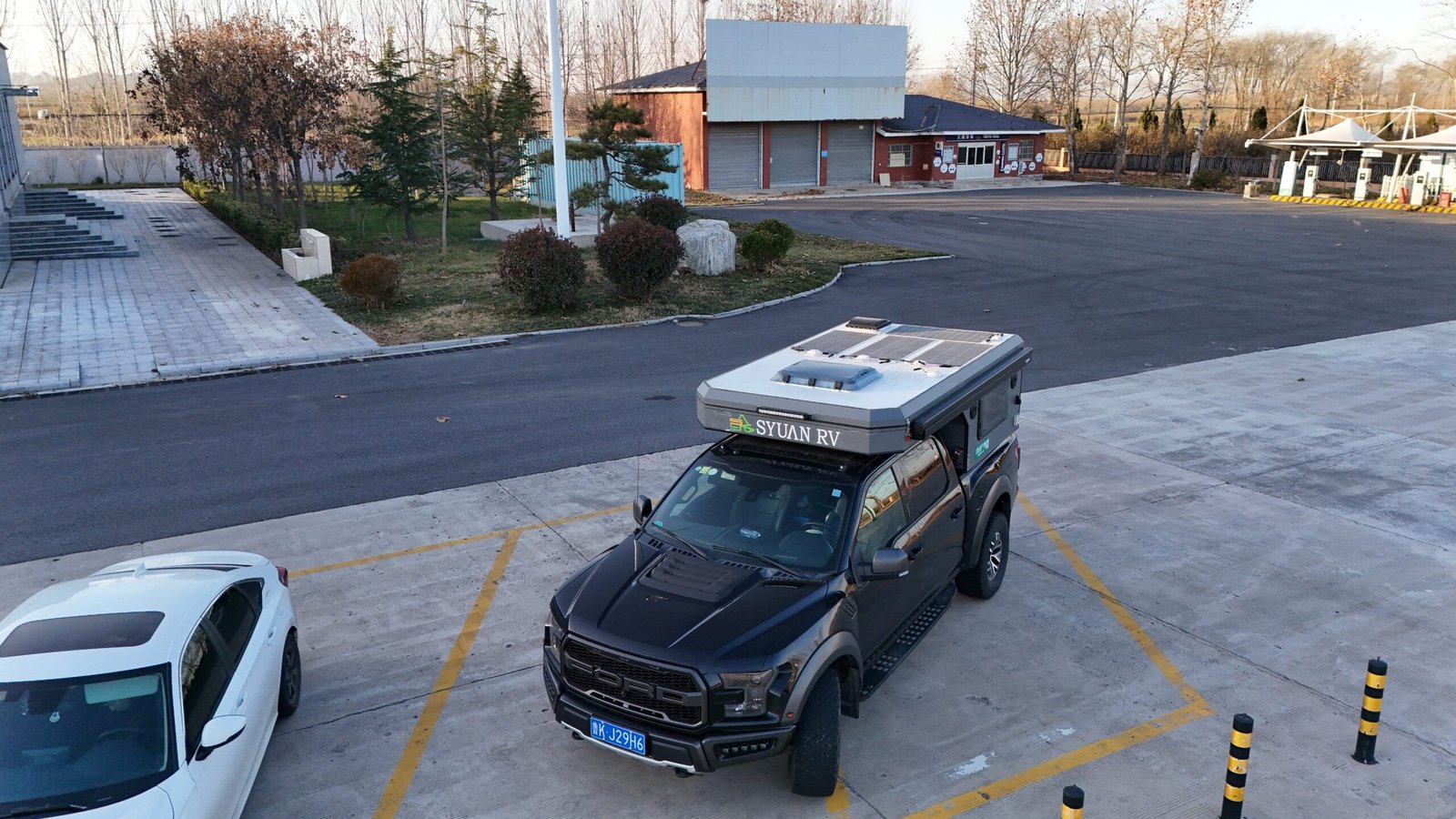
Truck campers are a versatile and popular choice among outdoor enthusiasts who seek mobility, convenience, and comfort during their travels. Designed to be mounted on the bed of pickup trucks, these campers offer a unique blend of compact living quarters and rugged off-road capability. Whether you are an avid adventurer, a weekend traveler, or a full-time nomad, truck campers provide a practical way to experience the great outdoors without sacrificing the amenities of home. In this comprehensive article, we will delve deeply into the features, benefits, types, customization, maintenance, and buying considerations of truck campers, equipping you with all the knowledge you need to make an informed decision or enhance your current camping experience.
1. Introduction to Truck Campers
Truck campers, sometimes referred to as slide-in campers or pickup campers, are self-contained living units designed to be carried in the bed of a pickup truck. Unlike trailer campers or motorhomes that are separate from the towing vehicle, truck campers integrate directly with the pickup truck, which enhances maneuverability and off-road capabilities. Their compact size makes them ideal for navigating narrow roads, tight campsites, and rugged terrains unreachable by larger RVs.
2. Core Components of a Truck Camper
Typically, a truck camper consists of the following key components:
- Sleeping Area: Usually located at the cab-over section, this area often comfortably sleeps two or more occupants.
- Kitchen: Equipped with cooking appliances such as a stove, microwave, sink, refrigerator, and storage.
- Bathroom: Many models include a compact wet bath with a toilet and shower, maximizing the use of space.
- Living/Dining Area: Convertible dinettes or seating that provide dining and relaxation areas.
- Storage: Cabinets and compartments both inside and outside for supplies and equipment.
3. Types of Truck Campers
The diversity of truck campers allows buyers to select a model that aligns with their lifestyle, budget, and vehicle compatibility. The main types include:
3.1 Pop-Up Truck Campers
Pop-up campers have canvas sides that can be raised or lowered. They are lightweight, which reduces the strain on the truck and improves fuel efficiency. When collapsed, pop-up campers allow for easier transport and storage. However, they offer less insulation and are more sensitive to weather conditions.
3.2 Hard-Side Truck Campers
Featuring solid walls made from fiberglass or aluminum, hard-side campers offer superior insulation and durability. These campers provide full-time living comfort, better temperature control, and increased security. However, their weight demands a stronger pickup truck and affects fuel economy.
3.3 Slide-In Truck Campers
This category overlaps with the definition of truck campers but often refers specifically to camper units that slide into the truck bed, leveraging the bed rails for support. Slide-in campers come in both pop-up and hard-side designs.
4. Advantages of Truck Campers
4.1 Enhanced Mobility
Truck campers, due to their compactness and attachment to the vehicle, allow for seamless travel and parking. They can access remote trails, narrow dirt roads, and urban environments that larger RVs cannot.
4.2 Off-Road Capability
Many campers are specifically designed to integrate with off-road capable pickups. This makes them suitable for those who want to explore wilderness areas while maintaining living comforts.
4.3 Cost Efficiency
Compared to motorhomes or fifth-wheel trailers, truck campers usually represent a more affordable choice for mobile living. Acquisition and maintenance costs tend to be lower, and since you can often use your existing truck, this reduces the initial investment.
4.4 Convenience
Quick setup and pack-down times make truck campers ideal for spontaneous trips. Unlike travel trailers, there’s no need to unhitch or engage in complicated maneuvering when stopping or moving.
5. Customizing Your Truck Camper
Customization is a significant advantage in the truck camper world. Manufacturers and aftermarket companies offer tailored solutions to optimize your camper for specific needs.
5.1 Size and Weight Customization
Since pickup trucks vary greatly in bed size and payload capacities, campers can be custom-built or selected based on these parameters to ensure safe transport and optimal balance.
5.2 Interior Layout and Amenities
Depending on your travel habits, you might prioritize a larger kitchen or enhanced sleeping space. Features like solar panels, extra battery capacity, or upgraded insulation can be integrated to enhance off-grid living.
5.3 Exterior Modifications
Camper options such as awnings, roof racks, storage boxes, or mounted gear like bicycles and kayaks can further augment your outdoor capabilities.
6. Selecting the Right Truck Camper
Choosing the ideal camper requires careful consideration of several factors, including your truck’s specifications, travel style, and budget.
6.1 Matching Truck and Camper Specifications
Payload capacity dictates how much weight your truck bed can carry safely, including the weight of the camper. It’s critical to verify the truck’s GVWR (Gross Vehicle Weight Rating) and match appropriately.
6.2 Usage Frequency and Length of Trips
For occasional weekend travels, a lightweight pop-up camper might suffice. Conversely, full-time RVers may need a hard-side camper with durable fixtures and all essential amenities.
6.3 Budget Constraints
Prices vary from entry-level models starting under $10,000 to luxurious high-end campers exceeding $100,000. It’s important to balance features with costs and consider long-term value and depreciation.
7. Maintenance and Care of Truck Campers
7.1 Regular Inspection
Routine checks of structural integrity, seals, and appliances ensure that campers remain in optimal condition. Look for signs of water leaks, rust, or wear on mechanical components.
7.2 Cleaning and Upkeep
Cleaning interior surfaces, maintaining the plumbing system, and protecting the exterior finish prolongs your camper’s lifespan. Utilize appropriate cleaners and coatings recommended by manufacturers.
7.3 Seasonal Storage
When not in use, store the camper in a covered, dry location to prevent weather damage. Use camper covers if outdoor storage is the only option.
7.4 Battery and Electrical System Maintenance
Keep batteries charged and inspect wiring regularly to avoid electrical failures. Solar panel systems may require occasional cleaning and adjustment.
8. The Growing Popularity of Truck Campers in China
China, with its expanding middle class and increasing interest in recreational travel, has seen a burgeoning market for truck campers. Domestic manufacturers are stepping up their production capabilities, offering models compatible with popular pickup trucks. This local production allows for customization suited to Chinese regulatory standards, climate, and consumer preferences.
In particular, the integration of food trailers and towable mobile restroom/shower trailers alongside truck campers highlights a developing ecosystem catering to outdoor enthusiasts and mobile businesses alike. These innovations make recreational and commercial applications more accessible across wider regions.
9. Final Thoughts
Truck campers stand out as an excellent solution for those who desire a blend of mobility, comfort, and adventure. Their adaptability to varying truck models and customizable features make them suitable for a wide audience, from casual campers to seasoned overlanders. When choosing a truck camper, understanding your truck’s capacity, the type of camper that fits your lifestyle, and maintaining your unit properly will ensure enjoyable and safe travels for years to come.
Embracing a truck camper lifestyle opens doors to new explorations and experiences, enabling you to forge deeper connections with nature while retaining the convenience of a cozy home on wheels.