Truck campers have revolutionized the way outdoor enthusiasts experience travel, blending the freedom of the open road with the comforts of home. Designed to fit the bed of a pickup truck, these compact units provide a practical and versatile solution for those seeking adventure without sacrificing convenience. In this comprehensive article, we will explore the various aspects of truck campers, from design and customization to benefits, maintenance, and current industry trends, ensuring you gain a thorough understanding of this popular recreational vehicle option.
Understanding Truck Campers
Truck campers are self-contained living units that mount onto the chassis of a pickup truck. Unlike traditional RVs or travel trailers that require towing, truck campers are carried in the truck bed, allowing for enhanced mobility and off-road capability. They are available in numerous sizes and configurations, often ranging from lightweight models designed for smaller trucks to heavy-duty units for full-size pickups.
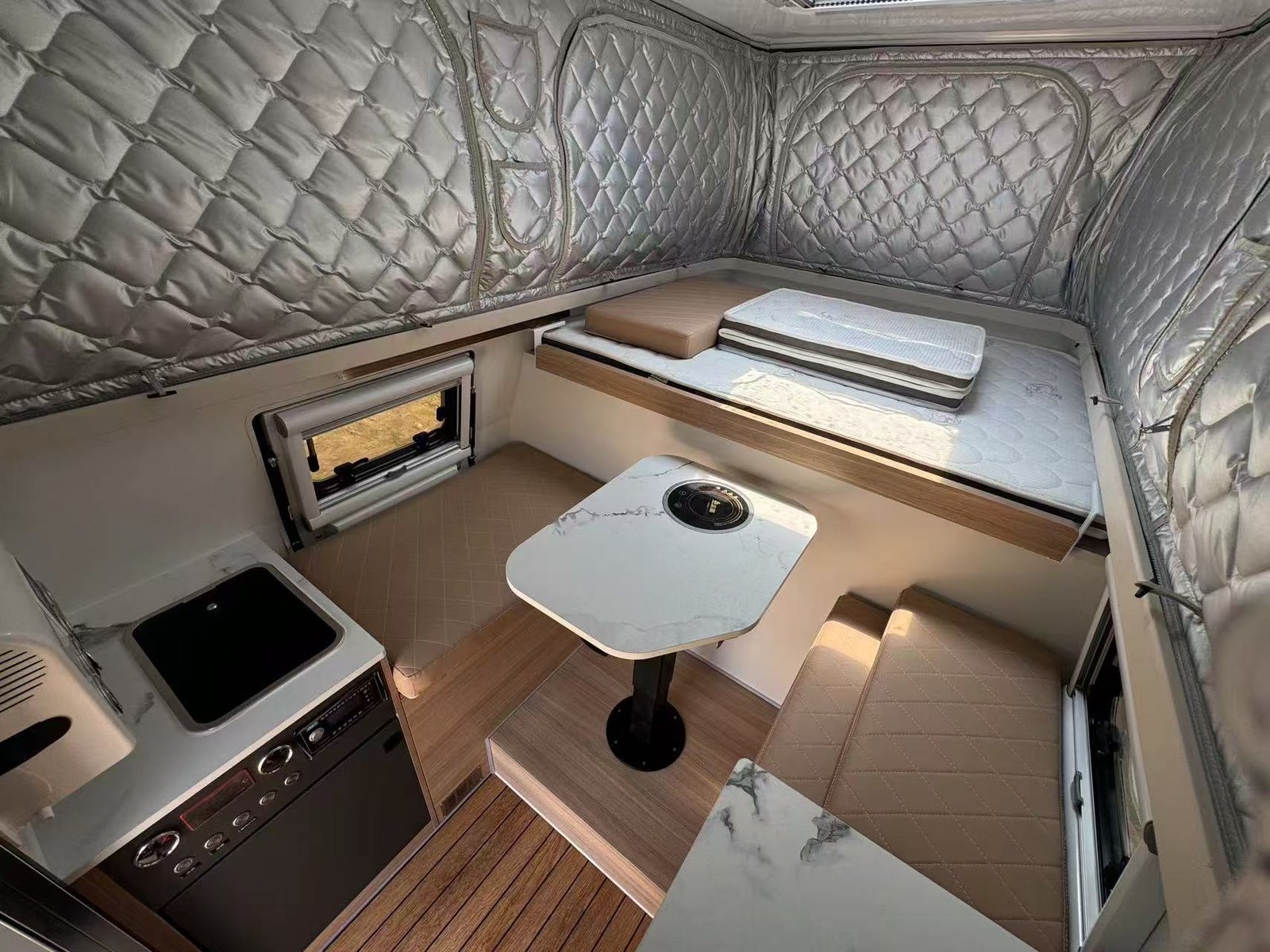
The primary components of a truck camper include sleeping quarters, kitchen facilities, a dining area, and in many models, a bathroom with shower and toilet. The compact size and modular design mean these campers are highly customizable to suit the specific needs of the owner.
Advantages of Owning a Truck Camper
The greatest appeal of truck campers lies in their versatility and convenience. Here are some of the key benefits that make them an ideal choice for many adventurers:
- Mobility and Accessibility: Since the camper is integrated with your truck, you can easily navigate narrow trails, rough terrain, and remote locations that would be inaccessible for larger RVs or trailers.
- Compact Size: Truck campers are easier to drive and park compared to bigger RVs, reducing the stress typically associated with driving recreational vehicles on highways and city streets.
- Cost-Effective: Generally, truck campers cost less than larger motorhomes or fifth wheels, both in terms of initial purchase price and maintenance expenses.
- Storage and Convenience: When not in use, a truck camper can be removed and stored independently, allowing you to use your truck for daily activities without sacrificing your recreational setup.
- Eco-Friendly Option: Many modern truck campers are designed with efficiency in mind, featuring solar panels, energy-efficient appliances, and insulation to reduce their environmental footprint.
Types of Truck Campers
Truck campers come in several variations to cater to different types of travelers and pickup truck sizes:
- Pop-Up Truck Campers: These units have expandable walls or roofs that fold down during transit for reduced wind resistance and improved fuel economy. Once parked, occupants can extend the pop-up sections to increase living space.
- Hard-Side Truck Campers: Built with rigid walls, these campers provide greater insulation and protection from the elements. They offer more amenities and are generally considered more durable but add weight to the vehicle.
- Insert Cabin Campers: Smaller than conventional models, these campers fit tightly into a truck bed and often provide basic amenities suitable for short trips or solo travelers.
- Custom-Built Campers: Tailored solutions designed to fit specific vehicle models and incorporate unique features requested by the buyer. Custom campers allow for maximum personalization and optimization.
Customization and Build Options
The modern truck camper market places heavy emphasis on customization. Whether it is optimizing space, prioritizing certain amenities, or adapting the camper to a particular type of pickup, manufacturers can deliver tailored solutions. Key customizable features include:
- Layout Design: Options for bed placement, kitchen configuration, and bathroom facilities can be arranged to maximize comfort and functionality.
- Material Choices: Exterior and interior materials can be selected based on durability, weight, insulation properties, and aesthetic preferences.
- Utility Installations: Solar panels, battery systems, heating and cooling units, and water filtration setups enhance off-grid capabilities.
- Accessory Integration: Awning systems, slide-out rooms, roof racks, and external storage compartments add convenience and expand living space.
Many Chinese manufacturers, recognized globally for their well-equipped production facilities, offer custom-built pickup camper boxes designed to perfectly fit a variety of pickup truck models. This approach ensures a seamless integration between vehicle and camper, enhancing driving stability and safety.
Key Features to Look for When Purchasing a Truck Camper
When considering a truck camper purchase, there are critical factors and features you should assess to ensure the camper suits your travel needs:
- Weight Compatibility: Ensure the camper’s loaded weight does not exceed the payload capacity of your pickup truck to maintain vehicle safety and driving dynamics.
- Space Efficiency: Evaluate the living space, storage options, and how the layout matches your lifestyle and number of occupants.
- Off-Grid Capabilities: If you plan to camp in remote locations, features such as solar panels, large freshwater tanks, and adequate battery storage become essential.
- Insulation and Climate Control: Good insulation and ventilation systems extend the usability of the camper into colder or hotter climates.
- Durability: Materials and build quality must withstand various weather conditions and rough terrains often encountered in outdoor adventures.
Technological Innovations in Truck Campers
Recent advancements in technology have elevated the truck camper experience significantly. Electric and hybrid power solutions reduce reliance on fossil fuels, while solar energy systems enable extended off-grid stays. Additionally, smart home integrations including remote monitoring, automated climate control, and security systems are becoming standard in newer models.
Revolutionary lightweight materials optimize strength-to-weight ratios, allowing more amenities without overburdening the truck. Advanced insulation and noise-cancellation techniques make the camper more comfortable, while modular interior fittings improve versatility.
Comparing Truck Campers to Other Recreational Vehicles
Truck campers differ from motorhomes, travel trailers, and van conversions in several ways:
- Driving Experience: Truck campers retain the handling characteristics of a pickup truck, unlike motorhomes that drive like large buses or trailers that require towing skill.
- Off-Road Capability: Pickup trucks equipped with campers generally have superior off-road and four-wheel-drive features compared to most RVs.
- Cost and Maintenance: Truck campers tend to be more affordable to buy and maintain, with fewer mechanical systems than motorhomes.
- Storage and Flexibility: The ability to separate truck and camper is an advantage when the camper is not needed, preserving the utility of the truck.
Maintenance Tips for Truck Camper Owners
Proper maintenance ensures the longevity and safety of your truck camper. Consider the following tips:
- Regular Cleaning: Clean both the exterior and interior regularly to prevent dirt buildup and mold growth.
- Inspect Seals and Joints: Prevent leaks by checking roof seals, windows, and door joints, especially after harsh weather.
- Check Mechanical Fixtures: Monitor the condition of the mounting system, electrical wiring, water lines, and appliances.
- Winterize Before Cold Season: Drain water tanks and use antifreeze to prevent freezing damage.
- Maintain Truck Bed: Lubricate tie-downs and ensure the truck bed surface remains free of corrosion where the camper mounts.
Environmental Considerations
Environmentally conscious travelers will appreciate that many truck campers incorporate elements aimed at sustainability. Solar power reduces the need for generator use, while efficient waste management systems minimize environmental impact. Lightweight construction materials reduce fuel consumption, and energy-saving LED lighting and appliances contribute to overall sustainability.
Popular Brands and Manufacturers
The truck camper industry is populated by a mix of established players and emerging manufacturers, including leading companies from China recognized for innovative designs and quality manufacturing. These producers provide a broad selection of camper models that align with global market standards, ensuring customers receive high-quality products tailored to various pickup truck platforms.
The Future of Truck Campers
Looking ahead, truck campers are poised for continued growth fueled by a rising demand for adventure travel, improved technology, and environmental awareness. The development of electric pickup trucks opens new avenues for eco-friendly campers optimized to leverage electric vehicle powertrains. Additionally, advances in lightweight composites and smart technology will elevate functionality and comfort.
Customization will remain a cornerstone of the industry as consumers seek unique solutions that reflect their personal lifestyles and travel preferences. Moreover, expanding international markets, particularly in Asia and Europe, indicate strong global interest in this mobility solution.
Conclusion
Truck campers present an exceptional option for travelers who value mobility, flexibility, and comfort. Their ability to combine rugged off-road capability with cozy living spaces provides an unmatched travel experience. Through thoughtful customization, technological integration, and diligent maintenance, a truck camper can become a trusted companion on countless adventures, enabling exploration of the great outdoors without compromise.
Whether you are a weekend warrior or a full-time road adventurer, there is a truck camper designed to meet your needs, enhancing freedom and enjoyment no matter where the road leads.