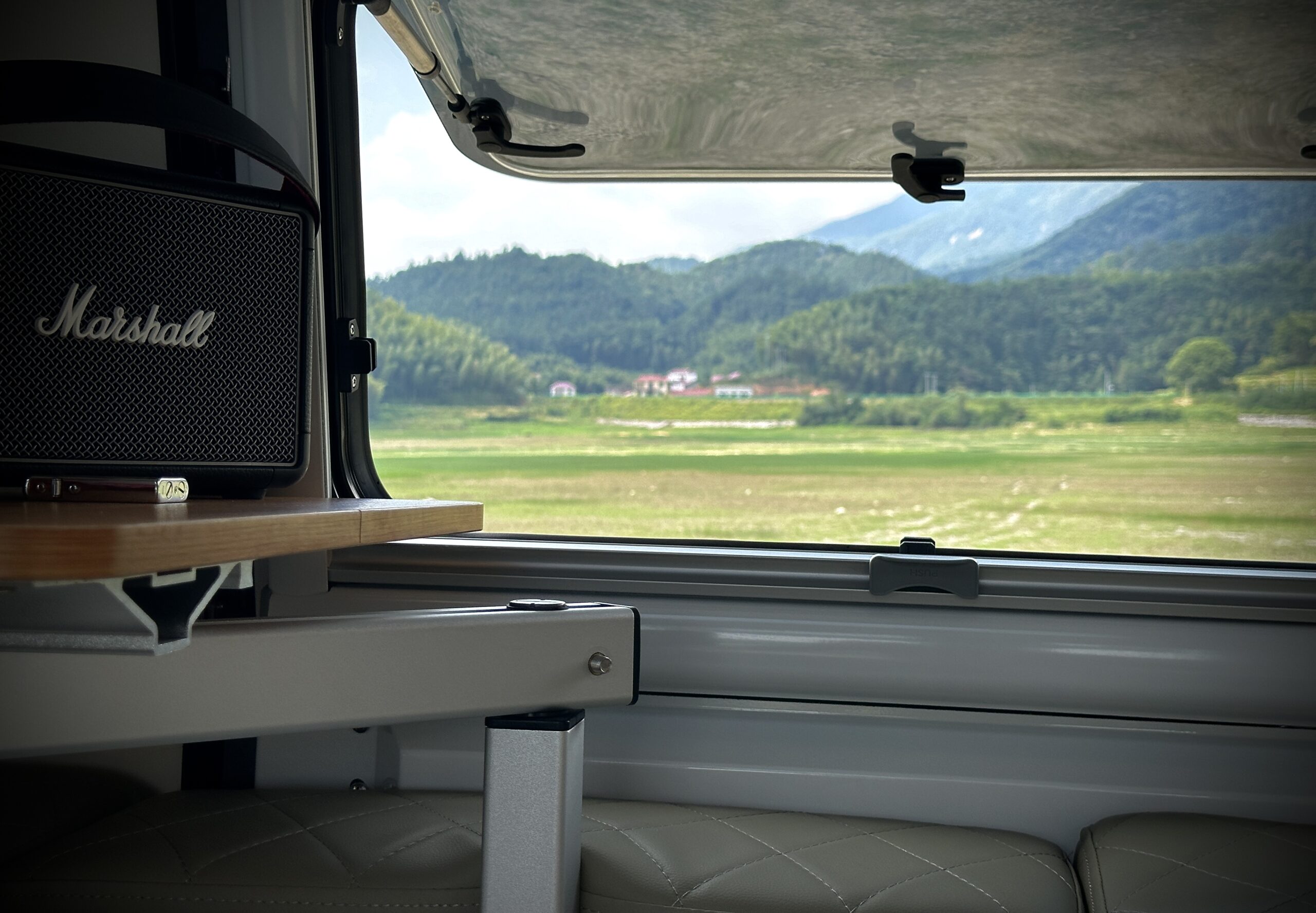
Truck campers have revolutionized the way adventure enthusiasts and travelers embrace the open road. These versatile and compact living spaces, mounted directly onto pickup trucks, provide the freedom to explore diverse landscapes without sacrificing comfort or convenience. As a popular alternative to traditional RVs and motorhomes, truck campers combine mobility with functionality, making them ideal for both short trips and extended journeys.
Understanding Truck Campers
A truck camper is a self-contained living unit designed to be loaded onto or integrated with the bed of a pickup truck. Unlike larger RVs, which require towing or driving a bulky vehicle, truck campers make use of the existing truck chassis to offer a streamlined travel experience. This design provides several benefits, including enhanced maneuverability, access to off-road locations, and reduced fuel consumption compared to larger motorhomes.
Typically, a truck camper includes essential amenities such as sleeping quarters, a small kitchen, bathroom facilities, and storage compartments. However, the level of luxury and features can vary widely depending on the model and customization options. For many users, the primary appeal lies in its compact footprint combined with an ability to maintain the utility of the pickup truck for other purposes.
Advantages of Truck Campers
One of the key advantages of truck campers is their adaptability. They can be fitted on various pickup truck sizes, allowing owners to select a platform that suits their specific needs, whether it’s a compact or heavy-duty truck. This flexibility extends to customization where manufacturers and outfitting companies offer tailored solutions including solar panels, extra battery capacity, slide-outs for added living space, and off-grid water systems.
Furthermore, truck campers excel in facilitating access to remote or rugged areas. Their compact size allows them to navigate narrow trails, forest roads, and mountainous terrains that are often inaccessible to larger RVs. This makes them a favorite choice for outdoor enthusiasts such as hunters, fishermen, hikers, and photographers who rely on mobility to reach secluded spots.
Design and Features
The design of truck campers has evolved drastically over recent years with an emphasis on maximizing every inch of space. Smart interior layouts make efficient use of limited areas, combining sleeping areas that convert into seating or dining spaces, compact kitchens equipped with induction cooktops or propane stoves, refrigerators, and even heated floors or air conditioning units.
Bathroom facilities in truck campers can range from basic portable toilets to full wet baths equipped with showers and sinks. Many models incorporate advanced waste management systems ensuring comfort while minimizing environmental impact. Additionally, high-end models may provide amenities such as entertainment systems, WiFi connectivity, and sophisticated lighting schemes to replicate the comforts of home.
Construction Materials and Build Quality
Modern truck campers are constructed using a variety of materials aimed at balancing weight, durability, and insulation. Common materials include fiberglass, aluminum, and composite panels. Fiberglass, for instance, is favored for its strength-to-weight ratio and weather resistance, ensuring the camper can withstand harsh environmental conditions. Aluminum frames provide flexibility and durability without adding unnecessary bulk, enhancing fuel efficiency for the host vehicle.
Attention to insulation and thermal efficiency is vital, especially for adventurers traveling to extreme climates. High-quality insulation keeps the interior temperature regulated, reducing the need for continuous heating or cooling. Some manufacturers also offer extra reinforcement for potential off-road vibrations and shocks to maintain structural integrity throughout rough travel.
Choosing the Right Truck Camper
Selecting the ideal truck camper depends on several factors including the size and capacity of your pickup truck, your travel preferences, and lifestyle requirements. It is important to match the camper’s weight and size with your vehicle’s payload limits to avoid performance issues or legal concerns. Consulting the truck’s specifications and payload capacity guidelines is the first step in this process.
Potential buyers should also consider their intended use cases. For frequent off-road travelers, a camper with reinforced suspension mounts, higher ground clearance, and off-grid capabilities like solar panels and large water tanks will enhance the experience. Meanwhile, those seeking comfort over ruggedness may prioritize interior fittings, luxury options, and add-ons such as slide-out extensions or awnings.
Budget always plays a critical role. Entry-level models provide essential functionality at a reasonable price while advanced options offer a larger living space and more high-end features. Many manufacturers also provide options for customization which can increase initial costs but tailor the camper specifically to individual needs.
Maintenance and Upkeep
Maintaining a truck camper involves regular inspections of seals, roof coatings, and mounts to ensure water tightness and secure attachment to the host vehicle. Given that campers endure exposure to varied weather conditions and road vibrations, periodic checks for leaks, corrosion, and structural wear are essential for longevity.
Attention should also be given to the camper’s electrical system and water lines. Battery systems requiring periodic charging, water pump functionality, and plumbing integrity are vital to comfortable operation. Keeping all appliances clean and well-maintained will minimize breakdowns on the road.
When storing the camper during off-seasons, it is recommended to clean thoroughly, remove perishable items, and protect against pests. Covering the camper or storing it indoors can prevent UV or environmental damage.
Popular Brands and Innovations
The truck camper market has grown considerably with many established and emerging brands providing a wide variety of products. Leading companies are integrating cutting-edge technologies such as lightweight carbon fiber composites, smart home automation systems, and eco-friendly energy solutions. Solar power remains a significant innovation enabling users to stay off-grid longer by powering appliances sustainably.
Many modern truck campers also include expandable living spaces through slide-out sections, pop-up roofs, or annexes that increase living area when stationary. These features enhance comfort without compromising the compact nature of the camper during travel.
The Future of Truck Campers
As interest in sustainable and minimalist travel grows, truck campers are positioned to evolve with advances in materials science, renewable energy, and digital connectivity. Future models may incorporate more efficient heating and cooling systems, smart sensors for monitoring and controlling vehicle and camper systems remotely, and modular interiors adaptable to various activities or occupants.
The growing trend of integrating electric and hybrid pickup trucks may further push camper manufacturers to reduce weight and optimize energy consumption. Combined with improved battery storage and solar panel technology, this could herald a new era of environmentally conscious truck camping experiences.
Conclusion
Truck campers represent a compelling blend of freedom, convenience, and versatility for modern travelers and outdoor enthusiasts. Their compact size, combined with the ability to adapt and customize, makes them suitable for a wide range of adventure scenarios. Whether you’re seeking a weekend getaway close to home or an extended off-grid exploration, the right truck camper can provide a comfortable and reliable base camp.
By understanding the varying models, features, and maintenance requirements, prospective buyers can make informed decisions that enhance their travel experiences. Powered by innovation and growing demand, the truck camper industry continues to evolve, offering exciting possibilities for those who value mobility, ruggedness, and the comfort of home on the road.