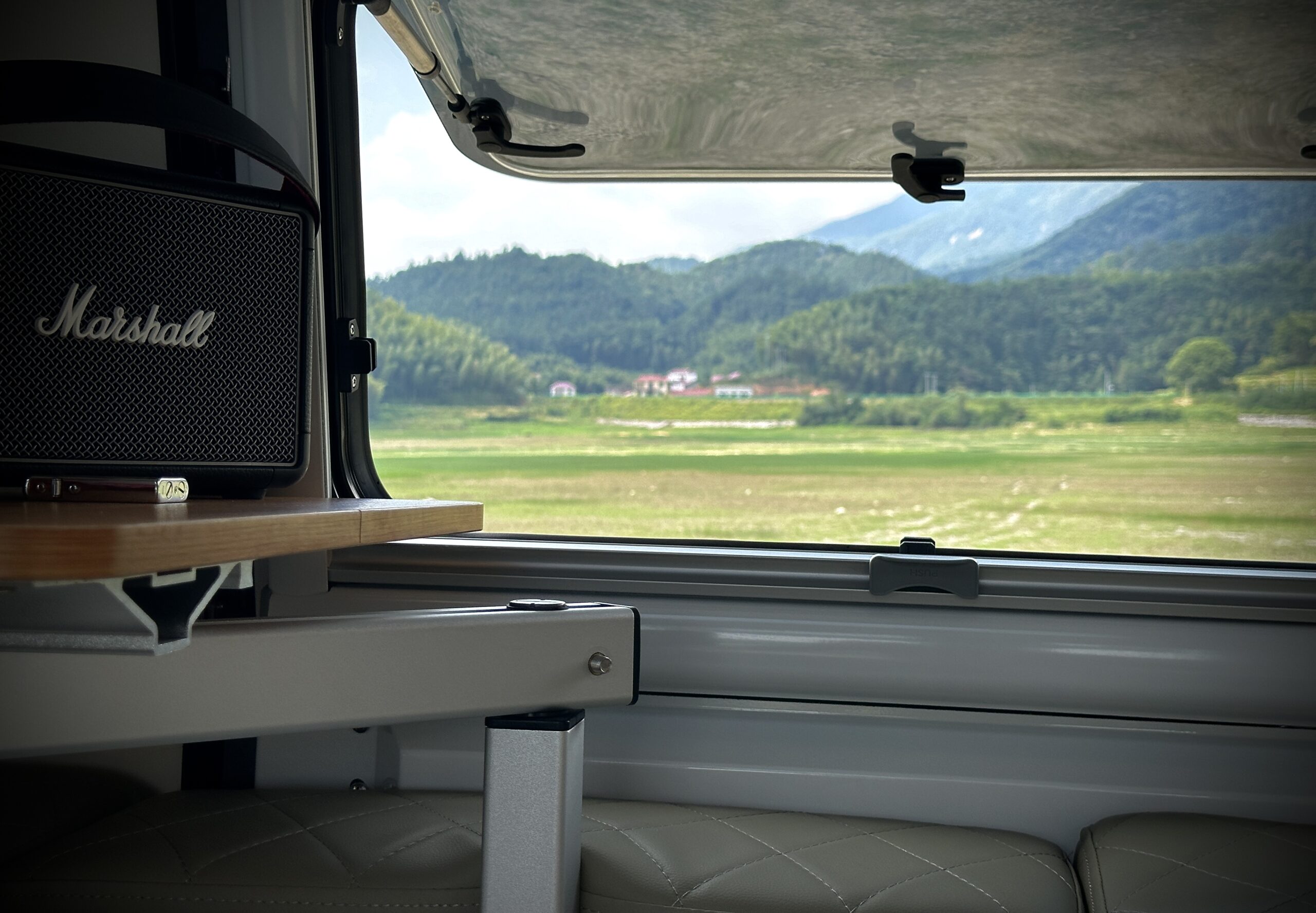
Truck campers represent a unique and versatile segment in the world of recreational vehicles (RVs). By combining the rugged capability of a pickup truck with the comfort and convenience of a mobile living space, truck campers provide an ideal solution for adventurers, outdoor enthusiasts, and travelers seeking flexibility and independence. This article explores the diverse features, advantages, and innovation trends of truck campers, offering insights into why they continue to grow in popularity across various markets.
Understanding Truck Campers
At its core, a truck camper is a recreational vehicle designed to be loaded onto the bed of a pickup truck. This configuration allows the user to leverage the mobility, maneuverability, and off-road capabilities of the pickup combined with a compact, efficient living space. Unlike traditional RVs, which are separate units or towable trailers, truck campers integrate directly with the truck chassis, minimizing the overall footprint while maximizing flexibility.
The design of a truck camper generally includes a sleeping area, compact kitchen facilities, storage compartments, and in many cases, a small bathroom. The variations in height, weight, and interior amenities cater to diverse user preferences and truck specifications, from lightweight models optimized for smaller trucks to more luxurious units suited for heavy-duty pickups.
Advantages of Truck Campers
One of the main appeals of truck campers is their adaptability. Since they can be removed from the truck when not in use, the vehicle retains its functionality for daily activities, work, or hauling other items. This attribute is particularly valuable for individuals who require a multipurpose vehicle for both professional and recreational use.
Furthermore, truck campers offer superior off-road capabilities compared to many motorhomes or travel trailers. The integration with a pickup truck allows users to access remote areas and rugged terrains that would be challenging or impossible with larger RVs. For outdoor adventurers who prioritize exploration beyond developed campgrounds, truck campers provide a compelling solution.
Additionally, truck campers often present cost advantages. Typically priced lower than full-size motorhomes or fifth-wheel trailers, they also incur reduced maintenance costs related to engine and drivetrain durability since the truck can be maintained separately. Insurance premiums and registration fees may also be more favorable, depending on regional regulations.
Key Features and Innovations
Modern truck campers have evolved substantially, with manufacturers incorporating advanced materials and design techniques to improve comfort, durability, and efficiency. Lightweight composites, aerodynamic shaping, and energy-efficient appliances contribute to better fuel economy and ease of handling on highways and off-road paths alike.
Many units now include slide-out sections to increase interior living space without significantly expanding the external width. Innovations in insulation and climate control systems enable comfortable year-round use, essential for users traveling in varying weather conditions.
Smart technology integration is also on the rise, with some campers featuring solar panels, satellite internet connectivity, and digital control panels to manage lighting, heating, and water systems remotely. These modern enhancements improve convenience and sustainability, empowering users to spend extended periods off-grid.
Customization and Vehicle Compatibility
One of the most significant strengths of truck campers lies in their customization potential. Manufacturers frequently work closely with customers to tailor camper boxes that fit specific pickup truck models, ensuring optimal weight distribution, balance, and secure mounting. This customization extends to interior layouts, choice of materials, and optional equipment to meet individual lifestyle needs.
Compatibility considerations are critical: factors such as truck bed size, payload capacity, and suspension characteristics influence the camper design and safe usage limits. Professional guidance and installation services are often recommended to avoid compromising vehicle stability or safety.
Popular Uses and Target Markets
Truck campers appeal to a broad range of users, from weekend campers to full-time RV dwellers. Outdoor enthusiasts engaged in activities such as hunting, fishing, hiking, and climbing value the mobility and shelter provided by truck campers. Additionally, they attract professionals who require mobile workspaces or temporary accommodations in remote locations.
For international travelers and overlanders, truck campers provide an autonomous lifestyle base capable of navigating diverse terrains and climates. Their compact nature enables easier border crossings and parking advantages in urban environments compared to larger RVs.
Maintenance and Safety Considerations
Proper maintenance is vital for truck campers to ensure longevity and safe operation. This includes routine inspections of mounting hardware, electrical systems, plumbing, and appliances. Weatherproofing measures and proper ventilation are also crucial to prevent mold and structural damage.
Safety considerations focus on weight limits to avoid overloading the truck and maintaining proper balance to prevent handling issues. Users must be aware of height restrictions when driving under low-clearance bridges or in parking structures. Additionally, fire safety equipment and secure storage of fuel or propane tanks remain essential precautions.
Environmental Impact and Sustainability
In an era of growing environmental awareness, many truck camper manufacturers emphasize sustainability. The adoption of solar energy systems reduces reliance on fossil fuels and minimizes noise pollution compared to traditional generators. Use of recyclable and environmentally friendly building materials also aligns with green manufacturing practices.
Efficient water usage and waste management systems further enhance the ecological profile of truck campers, making them attractive to environmentally conscious consumers who value responsible travel.
Market Trends and Future Outlook
The truck camper market has exhibited steady growth fueled by increasing demand for outdoor recreation and adventure travel. The COVID-19 pandemic further accelerated interest as people sought safer, self-contained travel options away from crowded destinations.
Looking ahead, innovations such as electric pickup trucks integrated with custom camper units represent a promising frontier. The synergy between electric drivetrains and compact camper designs could revolutionize the market by providing cleaner, quieter, and more efficient travel experiences.
Advances in autonomous driving technologies and connected vehicle systems may also enhance navigation and safety for truck camper users, contributing to a seamless and enjoyable journey.
Conclusion
Truck campers embody a blend of mobility, efficiency, and comfort tailored for the modern adventurer. Their ability to transform a pickup truck into a fully functional living space opens doors to unexplored destinations and unconventional travel experiences. With continued advancements in design, technology, and sustainability, truck campers stand poised to maintain their position as a highly appealing option within the evolving landscape of recreational vehicles.