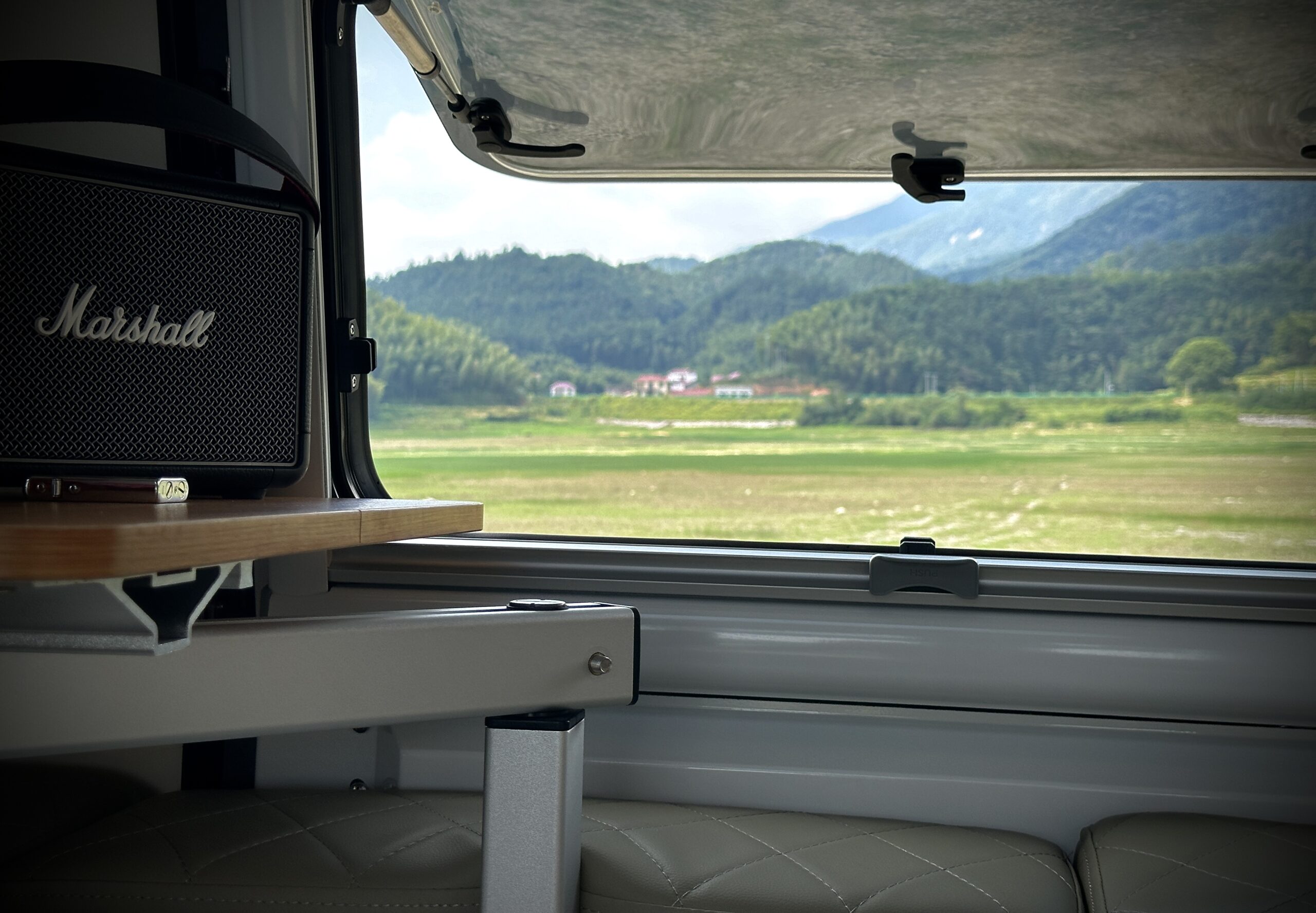
Truck campers have revolutionized the way outdoor enthusiasts and travelers experience the open road, blending the robust functionality of pickup trucks with the comfort and convenience of a compact, mobile living space. This innovative vehicle setup offers unparalleled versatility, allowing adventurers to explore remote destinations while enjoying many of the amenities found in traditional recreational vehicles. In this comprehensive article, we delve deep into the world of truck campers, exploring their design, benefits, types, customization options, and practical considerations to help you make an informed decision whether you are a seasoned camper or a first-time buyer.
The Evolution and Popularity of Truck Campers
The concept of truck campers began appearing in the mid-20th century as a practical solution for integrating living quarters onto pickup trucks, allowing flexibility without the need for a separate RV. Over the decades, advances in materials, engineering, and design have led to sleeker, lighter, and more comfortable units that appeal to a variety of users from weekend adventurers to full-time travelers.
One of the key factors behind the rising popularity of truck campers is their ability to be mounted and dismounted easily, preserving the utility of the truck for day-to-day use when the camper is not attached. They provide a seamless blend of mobility, off-road capability, and modern conveniences that are ideal for remote campsite access and spontaneous travel plans.
Structure and Design Features of Truck Campers
Truck campers are designed to fit snugly into the bed of pickup trucks, maximizing the use of space both vertically and horizontally. The structural framework is usually composed of lightweight yet durable materials such as aluminum, fiberglass, or composite panels, which contribute to reducing the overall weight and improving fuel efficiency.
Internally, truck campers incorporate multi-functional furniture and fixtures intelligently designed to optimize space usage. Common components include:
- Sleeping quarters often configured as a cab-over bunk extending above the truck’s cabin to maximize sleeping area.
- Compact kitchenettes equipped with mini stovetops, sinks, refrigerators, and storage compartments for cooking essentials.
- Bathroom facilities that may include portable or cassette toilets and compact showers, depending on camper size and build.
- Seating and dining areas that usually convert into additional sleeping space, ensuring maximum functionality.
- Efficient climate control systems to provide heating and cooling tailored for diverse weather conditions.
The design process for truck campers also integrates aerodynamic considerations to minimize wind resistance and optimize fuel consumption when traveling long distances.
Benefits of Owning a Truck Camper
Choosing a truck camper offers numerous advantages, particularly for those who value flexibility, independence, and off-the-grid capabilities. Key benefits include:
- Mobility and Off-Road Access: Thanks to the robust chassis and 4×4 capabilities of many pickup trucks, truck campers provide access to remote and rugged locations that conventional RVs might struggle to reach.
- Compact Size and Maneuverability: Truck campers are significantly smaller than motorhomes and trailers, allowing easier parking, navigation, and driving on narrow or winding roads.
- Cost-Effectiveness: They generally cost less than full-size RVs and feature lower maintenance and operational expenses.
- Customization: Truck campers can be custom-built or modified to suit specific needs, truck models, and preferences.
- Detachable Convenience: The camper can be removed if the truck is needed for other purposes, offering unmatched versatility.
Types of Truck Campers
Truck campers come in several categories based on size, features, and build quality. Understanding these types helps buyers select the model most appropriate for their lifestyle:
- Pop-Up Truck Campers:
These units feature collapsible sections that expand the living area when stationary and fold down for driving, enhancing aerodynamics and reducing height-related restrictions during travel.
- Hard-Sided Truck Campers:
Constructed with rigid walls and roofs, these campers offer superior insulation, weather resistance, and security, making them suitable for all-season camping.
- Slide-In Campers with Slide-Outs:
Some models include slide-out sections that further increase living space when parked but retract for travel.
- Luxury Custom Campers:
High-end models equipped with top-of-the-line appliances, lavish interiors, advanced electrical systems, and smart technology are designed for comfort in remote environments.
Customization and Compatibility
One of the standout advantages with truck campers is their customizability. Manufacturers and aftermarket specialists produce camper boxes specifically built to fit the bed dimensions and payload capacity of different pickup truck models, from mid-size to heavy-duty trucks. This tailored approach ensures optimal weight distribution, stability, and ease of attachment.
Custom options often include:
- Adjustable mounting systems for secure fitment and ease of loading/unloading.
- Interior layouts optimized for specific activities such as fishing, hunting, or extended travel.
- Upgraded insulation and heating systems for cold climate expeditions.
- Enhanced electrical and solar power systems to support off-grid living.
- Exterior add-ons such as awnings, roof racks, and additional storage compartments.
Collaborating closely with camper manufacturers or designers ensures the final build complements the truck’s capabilities without compromising safety or performance.
Essential Considerations When Purchasing a Truck Camper
Prospective buyers should evaluate multiple vital aspects to guarantee that their truck camper fits their travel goals and vehicle specifications. These include:
- Payload Capacity: Verify your pickup’s maximum payload ratings to prevent overloading, which can affect vehicle handling and safety.
- Camper Weight: Select a camper whose fully loaded weight (including water, gear, and fuel) remains within your truck’s payload limits.
- Size and Dimensions: Ensure the camper fits your truck bed and is responsive to your parking and clearance requirements.
- Usage Environment: Consider whether you’ll use the camper in harsh weather or rugged terrain and choose features accordingly.
- Maintenance and Durability: Opt for quality materials and components that minimize upkeep and withstand extended travel conditions.
- Budget: Balance desired features with cost constraints, including potential modifications to your truck.
- Legal Regulations: Verify local laws related to vehicle modifications, camper permits, and road restrictions.
Innovations in Truck Camper Technology
Recent years have witnessed a surge in technological enhancements integrated into truck campers, elevating comfort, convenience, and sustainability:
- Solar Power Systems: Photovoltaic panels combined with efficient battery storage enable campers to operate appliances and lighting independently of external power.
- Smart Home Features: Wireless controls for lighting, heating, and security systems accessible via smartphone apps.
- Advanced Insulation Materials: New composites and construction methods significantly improve thermal regulation.
- Lightweight Build Technologies: Use of carbon fiber and other composites to reduce camper weight while maintaining strength.
- Integrated Water and Waste Management: Improved grey and black water tank designs with better sanitation and ease of emptying.
These innovations help modern truck campers compete effectively with larger RVs, especially in versatility and sustainability.
Practical Tips for Using Your Truck Camper
To maximize your enjoyment and longevity of the truck camper experience, keep the following practical tips in mind:
- Regular Maintenance: Inspect seals, mounts, and electrical systems routinely to avoid unexpected problems.
- Weight Distribution: Load gear and supplies evenly to maintain vehicle balance and prevent undue tire wear.
- Weather Preparedness: Equip your camper with weather-resistant covers and carry essential emergency supplies.
- Efficient Space Organization: Use modular storage bins and collapsible gear to conserve space.
- Driving Adaptations: Adjust driving style to accommodate the extra height and weight, especially in windy or mountainous conditions.
- Practice Installation and Removal: Familiarize yourself with the camper’s mounting system to safely and quickly detach or attach when needed.
The Future of Truck Campers
Truck campers are poised for continued growth fueled by consumer interest in mobile lifestyles, off-grid travel, and compact living solutions. Environmental concerns and advances in electric vehicle technology also influence the design direction, with emerging electric trucks expected to usher in new camper designs optimized for electric drivetrains and charging needs.
Moreover, the increasing use of smart technologies and sustainable materials will continue to improve user experience and reduce ecological impact. Manufacturers are paying closer attention to modularity and adaptability, allowing truck campers to transform according to specific user journeys and environments.
Conclusion
Truck campers offer a unique travel solution that merges the agility and ruggedness of pickup trucks with the comforts of home, ideal for those seeking adventure with independence and style. By understanding the variety of designs, features, and technical considerations involved, travelers can choose or customize a truck camper that perfectly fits their needs and vehicle. Whether venturing into the backcountry, exploring off-the-beaten-path destinations, or simply embracing a minimalist mobile lifestyle, truck campers stand out as a versatile and compelling choice.
Invest in a truck camper today and unlock boundless opportunities to explore the world on your own terms with the perfect blend of mobility, comfort, and convenience.