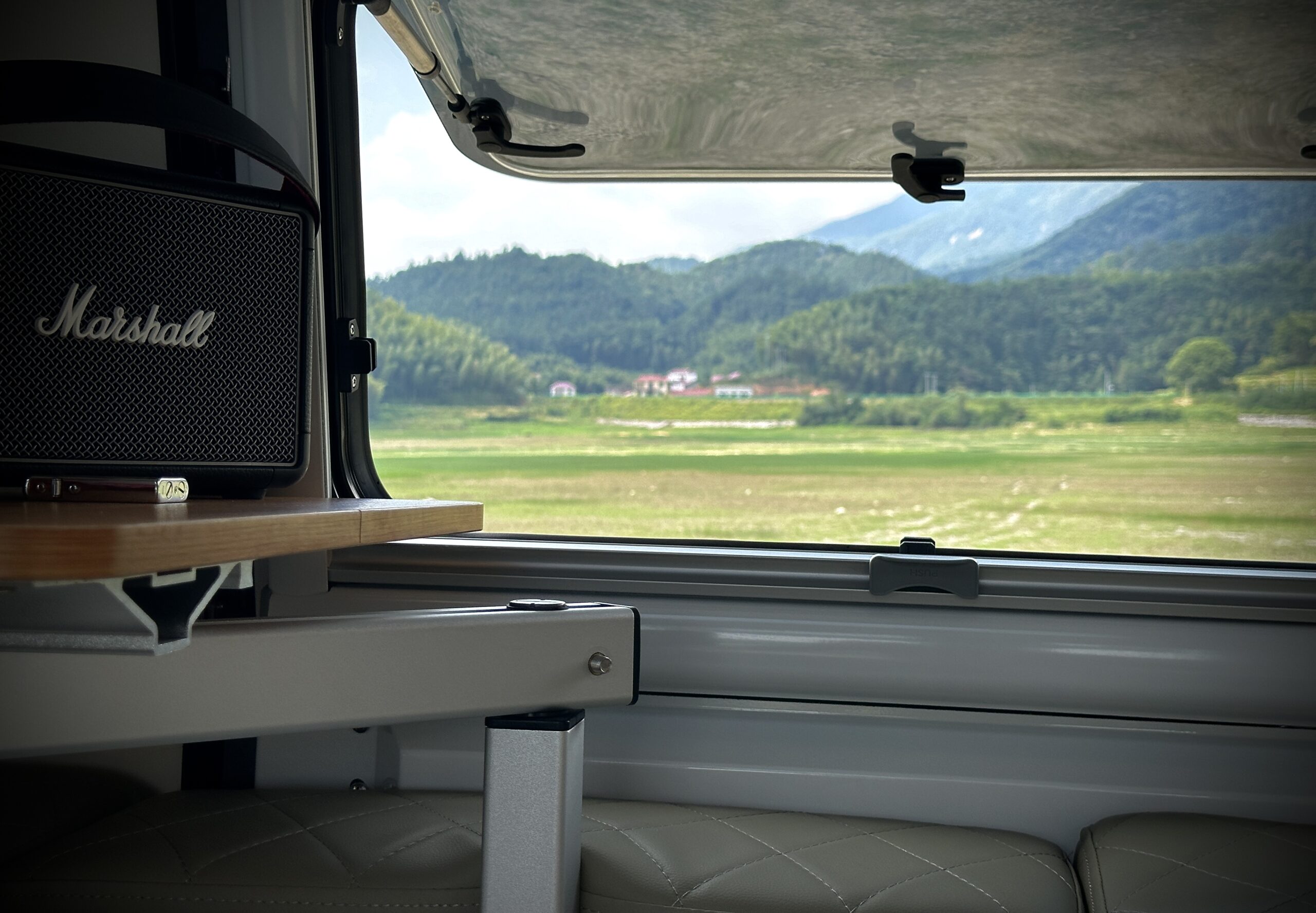
Truck campers have become increasingly popular among outdoor enthusiasts and travelers who seek freedom, flexibility, and comfort on the road. Offering a unique blend of mobility and convenience, truck campers transform ordinary pickup trucks into versatile living spaces equipped with sleeping, cooking, and storage amenities. This article explores the features, benefits, customization options, and practical considerations involved in choosing and using a truck camper, providing a comprehensive guide for both newcomers and seasoned adventurers.
Introduction to Truck Campers
Truck campers are compact and self-contained units designed to fit into the bed of a pickup truck. Unlike traditional RVs or trailers, truck campers provide a lightweight and easily maneuverable option that enhances off-road capabilities and access to remote locations. Typically constructed with lightweight yet durable materials such as fiberglass, aluminum, or composite panels, these campers prioritize durability and efficiency.
The appeal of truck campers lies in their modularity and adaptability. Since they mount onto the bed of a truck, campers can be removed when not in use, preserving the day-to-day utility of the vehicle. This combination makes them an excellent investment for those who desire recreational use without sacrificing daily practicality.
Core Components and Features
Modern truck campers come equipped with many amenities to ensure a comfortable travel experience. Most units include a sleeping area, kitchenette, storage cabinets, and often a small bathroom setup or portable restroom facilities. The sleeping quarters usually accommodate between two to four people, depending on the camper size and configuration.
Kitchenettes typically feature a compact stove, mini refrigerator or cooler, microwave, sink with water storage tanks, and countertop space for food preparation. Freshwater and wastewater tanks are commonly integrated to support extended off-grid stays.
Additional comfort features may include heating and air conditioning units, LED lighting, solar panels for sustainable energy, entertainment systems, and advanced ventilation options. Some truck campers offer expandable or slide-out sections to maximize interior living space without compromising portability.
Types and Sizes of Truck Campers
Truck campers vary widely in design and size, providing options suitable for diverse preferences and pickup truck models. Popular categories include:
- Standard Truck Campers: These fit within the bed dimensions of mid-size or full-size pickups, balancing weight and space efficiently for two to three occupants.
- Slide-In Campers: Featuring walls that slide down or extend for added height, these provide enhanced headroom and comfort.
- Pop-Up Campers: Compact units with folding roofs or tent-like sides that expand living areas, ideal for lightweight and low-profile needs.
- Luxury Truck Campers: Equipped with premium appliances, upscale finishes, and technological integrations for those seeking top-tier comfort on the road.
Size also influences the vehicle compatibility. Some truck campers are custom-built to fit specific pickup models, ensuring a secure and aerodynamic fit that optimizes maneuverability and safety.
Customization and Build Quality
One key advantage of truck campers is their high degree of customization. Manufacturers frequently work with clients to design camper boxes tailored to personal needs and vehicle dimensions. This includes selecting materials, floor plans, interior finishes, appliance brands, and additional features such as awnings, solar charging systems, and off-grid energy storage solutions.
Top-tier truck camper manufacturers emphasize rugged construction techniques that withstand harsh environments and rough roads. Reinforced framing, waterproof seals, insulated panels, and stable mounting hardware are standard to enhance longevity and performance.
Advanced manufacturing facilities employ cutting-edge technology, from computer-aided design (CAD) to robotic assembly lines, ensuring precision and consistency. This level of quality control reduces issues during use and adds value to the product over time.
Benefits of Using a Truck Camper
Truck campers offer numerous benefits that distinguish them from traditional recreational vehicles or tent camping:
- Mobility and Access: The compact size and truck-based design provide better off-road capabilities and the ability to navigate narrow or rugged trails.
- Versatility: The detachable nature allows owners to switch between camping and everyday driving seamlessly.
- Cost Efficiency: Compared to larger RVs, truck campers typically require less fuel, maintenance, and storage fees.
- Quick Setup: Unlike tent camping, truck campers offer instant shelter without the need for extensive assembly or teardown processes.
- Comfort and Convenience: Many models include amenities that significantly improve the camping experience, such as weather protection, cooking facilities, and comfortable bedding.
Practical Considerations When Choosing a Truck Camper
Selecting the ideal truck camper requires careful evaluation of several factors:
- Truck Compatibility: Ensure the camper fits your truck’s bed size and weight carrying capacity. Overloading the truck can impact vehicle performance and safety.
- Intended Use: Define your typical camping destinations and duration to balance between amenities and maneuverability. For example, remote expeditions might prioritize off-grid functions and compactness.
- Budget: Prices vary widely, influenced by size, features, and customizations. Determine your budget to select a camper that offers good value while meeting your needs.
- Weight Distribution: Consider how the camper’s weight affects your truck’s center of gravity and handling dynamics. Proper installation and suspension upgrades may be necessary.
- Local Regulations: Be aware of road and camping regulations, especially for larger or specialized campers.
Maintenance and Upkeep
Maintaining a truck camper involves both routine and periodic tasks to ensure lasting performance:
- Exterior Care: Regular washing and waxing protect the outer shell from environmental damage. Check seals and joints for leaks or deterioration.
- Mechanical Systems: Inspect electrical systems, water pumps, propane connections, and heating/cooling units for proper operation.
- Interior Maintenance: Keep ventilation pathways clean, prevent mold buildup, and maintain appliances according to manufacturer guidelines.
- Storage: When off-season, store the camper in a dry, sheltered place or cover it appropriately to minimize exposure.
The Future of Truck Campers
Innovations in materials science, renewable energy integration, and smart technology are shaping the future of truck campers. Lightweight composites and improved insulation materials reduce weight while enhancing durability and thermal performance. Solar panels and battery storage solutions are becoming standard, allowing for longer self-sustained trips without reliance on external power sources.
Smart home technologies, such as app-controlled appliances, LED lighting systems, and GPS monitoring, increase convenience and safety. Customizable modular interiors continue to evolve, offering more functional and adaptable living spaces suited for modern nomadic lifestyles.
Conclusion
Truck campers represent a compelling option for adventure seekers who value mobility, versatility, and comfort. Their innovative design and customizable features enable users to tailor the camper precisely to their needs, enhancing outdoor experiences across diverse environments. Whether for weekend getaways or extended explorations, investing in a high-quality truck camper allows you to embrace freedom on the road while enjoying the comforts of a well-equipped mobile home.
As demand for sustainable and flexible travel solutions grows, the truck camper industry is poised to continue developing exciting new products that blend technology, durability, and user-centric design. By understanding the fundamental aspects described in this article, prospective buyers can make informed decisions that align with their lifestyle and adventure goals.