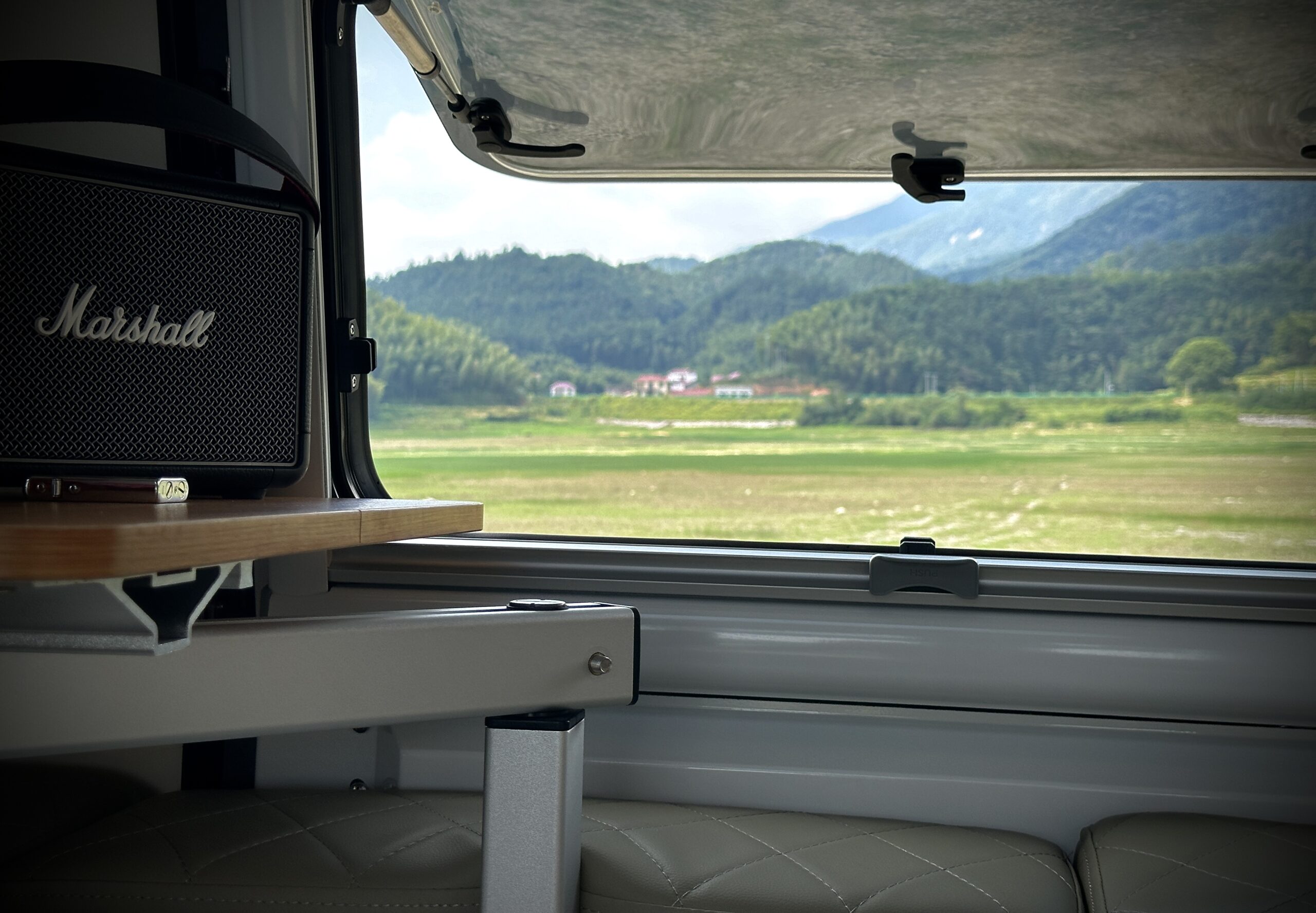
Truck campers have become increasingly popular among adventure enthusiasts and travelers seeking flexibility, comfort, and independence on the road. Combining the rugged capability of a pickup truck with a self-contained living space, truck campers offer a unique blend of mobility and convenience that traditional RVs or campervans often cannot match. Whether you’re planning cross-country trips, weekend getaways, or off-grid camping, truck campers allow you to explore remote locations while enjoying the comforts of home. This comprehensive guide explores everything you need to know about truck campers, from their design and benefits to essential features, customization options, and maintenance tips.
What Is a Truck Camper
A truck camper is a type of recreational vehicle (RV) that fits into the bed of a pickup truck. Unlike larger motorhomes or trailers, truck campers utilize the truck’s chassis and engine for mobility and drag reduction, enabling easier navigation through narrow roads, rugged terrain, and parking in tight spaces. Typically, the camper unit is detachable, giving you the option to use your truck independently when you want to.
Truck campers are versatile and come in different configurations to suit various pickup truck models and sizes. They often include basic living essentials such as a sleeping area, kitchenette, dining space, and bathroom facilities depending on the model. The compact size doesn’t compromise functionality, and many come with slide-out sections or expandable roofs to enhance interior space and headroom.
Advantages of Truck Campers Over Other RV Types
There are many reasons why people prefer truck campers to other forms of RVs or campervans. One primary advantage is maneuverability. Due to the smaller footprint, truck campers are much easier to drive and park, especially in urban areas or wilderness trails with limited access.
Additionally, truck campers are often more fuel-efficient since you use a single vehicle instead of towing a separate trailer or driving a larger motorhome. This leads to cost savings on fuel and maintenance over time. The detachable nature offers also enables you to leave the camper at the campsite while using the truck for errands or exploring nearby attractions.
Another benefit is the ability to access more remote or rugged locations. Many trucks equipped with four-wheel-drive platforms can handle difficult off-road conditions, making truck campers ideal for wilderness camping, mountain expeditions, or beach trips where large RVs might be restricted.
Common Features of Modern Truck Campers
Today’s truck campers integrate many features designed to maximize comfort and usability. Here are some typical elements you can expect:
- Sleeping Quarters: Usually includes a dedicated bed that can sleep two to four people, often located in the overcab section or fold-out areas.
- Kitchen: Equipped with compact appliances such as a stove, microwave, refrigerator, and sink, enabling basic food preparation and storage.
- Bathroom: Some models include a wet bath (combined shower and toilet area) or dry bath facilities, enhancing convenience for longer trips.
- Dining and Living Space: Convertible seating or foldable tables provide space for dining, socializing, or working.
- Storage: Efficient use of storage compartments internally and in external access bays for camping gear, supplies, and tools.
- Electrical and Water Systems: Includes onboard batteries, solar panels for sustainable energy, freshwater tanks, and wastewater management.
- Climate Control: Air conditioning and heating units ensure comfort regardless of weather conditions.
- Expandable Features: Slide-outs or pop-tops that increase interior space when parked.
Materials and Build Quality
The construction of truck campers often involves lightweight yet durable materials such as aluminum frames combined with composite panels or fiberglass shells. These materials provide weather resistance, insulation, and impact resistance while keeping the camper weight manageable for the truck’s payload capacity. Many manufacturers pay close attention to sealing and roofing quality to prevent leaks during adverse weather conditions.
Customization and Compatibility Considerations
One of the appealing aspects of truck campers is their ability to be customized according to the owner’s truck model and specific needs. Some suppliers offer modular designs or semi-custom units where you can select interior layouts, appliances, or exterior finishes.
When selecting a truck camper, it’s critical to consider compatibility with your pickup truck. Factors such as truck bed length, payload capacity, and drivetrain affect what size and weight of camper your vehicle can safely carry. Overloading can affect handling, braking, and suspension, so working with experienced manufacturers or dealers who can tailor the camper to your truck’s specifications is recommended.
Popular Uses and Ideal Users for Truck Campers
Truck campers cater to a broad spectrum of users:
- Outdoor Enthusiasts: Those who frequently engage in activities like hiking, fishing, hunting, or skiing enjoy the convenience and access provided by truck campers.
- National Park Visitors: Smaller size and mobility make truck campers excellent for navigating crowded or restricted areas in national parks.
- Full-Time Travelers: Some nomads prefer truck campers for their versatility and low profile, allowing stealth camping in urban or off-grid environments.
- Families and Couples: Modern models can comfortably accommodate small families or couples seeking weekend or seasonal vacations.
Maintenance and Care Tips for Longevity
Proper maintenance is key to ensuring your truck camper remains functional and comfortable for years:
- Regular Inspection: Check seals, windows, and roof for any potential leaks or damage before and after trips.
- Clean and Protect Exterior: Wash the camper after exposure to mud, dust, or saltwater, and apply protective coatings as needed.
- Appliance Upkeep: Maintain kitchen appliances and plumbing to avoid malfunctions. Winterize systems in colder climates to prevent freezing damage.
- Battery Care: Monitor battery health and charge levels regularly, especially if relying on solar panels or off-grid power systems.
- Tire and Suspension: Inspect the truck’s tires and suspension components because the camper’s added weight affects these systems.
Future Trends in Truck Camper Innovation
The truck camper market continues to evolve with technological advancements:
- Smart Integration: Increasing use of IoT-enabled devices for remote control of lighting, temperature, and security.
- Eco-Friendly Designs: Enhanced solar capabilities, energy-efficient appliances, and sustainable building materials.
- Lightweight Innovations: Use of carbon fiber and advanced composites to reduce camper weight without sacrificing strength.
- Enhanced Off-Road Capabilities: Suspensions and chassis engineering tailored for rugged terrains.
Conclusion
Truck campers represent an excellent investment for individuals seeking freedom, adventure, and self-sufficiency while traveling. Their unique combination of mobility, compactness, and functionality caters to diverse lifestyles, from weekend campers to full-time road travelers. Thanks to configurable options, modern designs, and continuous technological progress, truck campers are set to remain a compelling choice for outdoor enthusiasts worldwide. If you own a pickup truck and want to enhance your travel experience with a home on wheels, a truck camper could be the perfect option to explore.