Truck campers have revolutionized the way outdoor enthusiasts travel and explore nature, providing the perfect blend of mobility, convenience, and comfort. These compact yet versatile living units are designed to fit into the bed of a pickup truck, transforming the vehicle into a fully functional camper that can go virtually anywhere. In this comprehensive article, we will explore the design, features, benefits, and practical uses of truck campers, while also taking a look at customization options, maintenance, and buying advice.
Understanding Truck Campers
Truck campers are self-contained camping units that are mounted onto the back of pickup trucks. Unlike traditional RVs or trailers, these campers leverage the mobility and off-road capability of the truck chassis, making them particularly suitable for rugged terrains and remote locations. The primary advantage of this setup lies in its compactness and flexibility. With a truck camper, you can detach the camper and use the truck separately, giving you multiple vehicle functions from one investment.
These campers typically range in size to accommodate different truck bed sizes, from smaller mid-size pickups to heavy-duty trucks. The interior space, though compact, is ingeniously designed to include sleeping quarters, kitchen areas, bathroom facilities, and even dining and lounging spaces, all optimized for maximum utility and comfort.
Design Features and Layout
The design of truck campers integrates form with function. Most campers include a cab-over sleeping area positioned above the truck cab, which maximizes living space within a limited footprint. This overhead berth can comfortably sleep two adults, making it the sleeper’s primary rest zone.
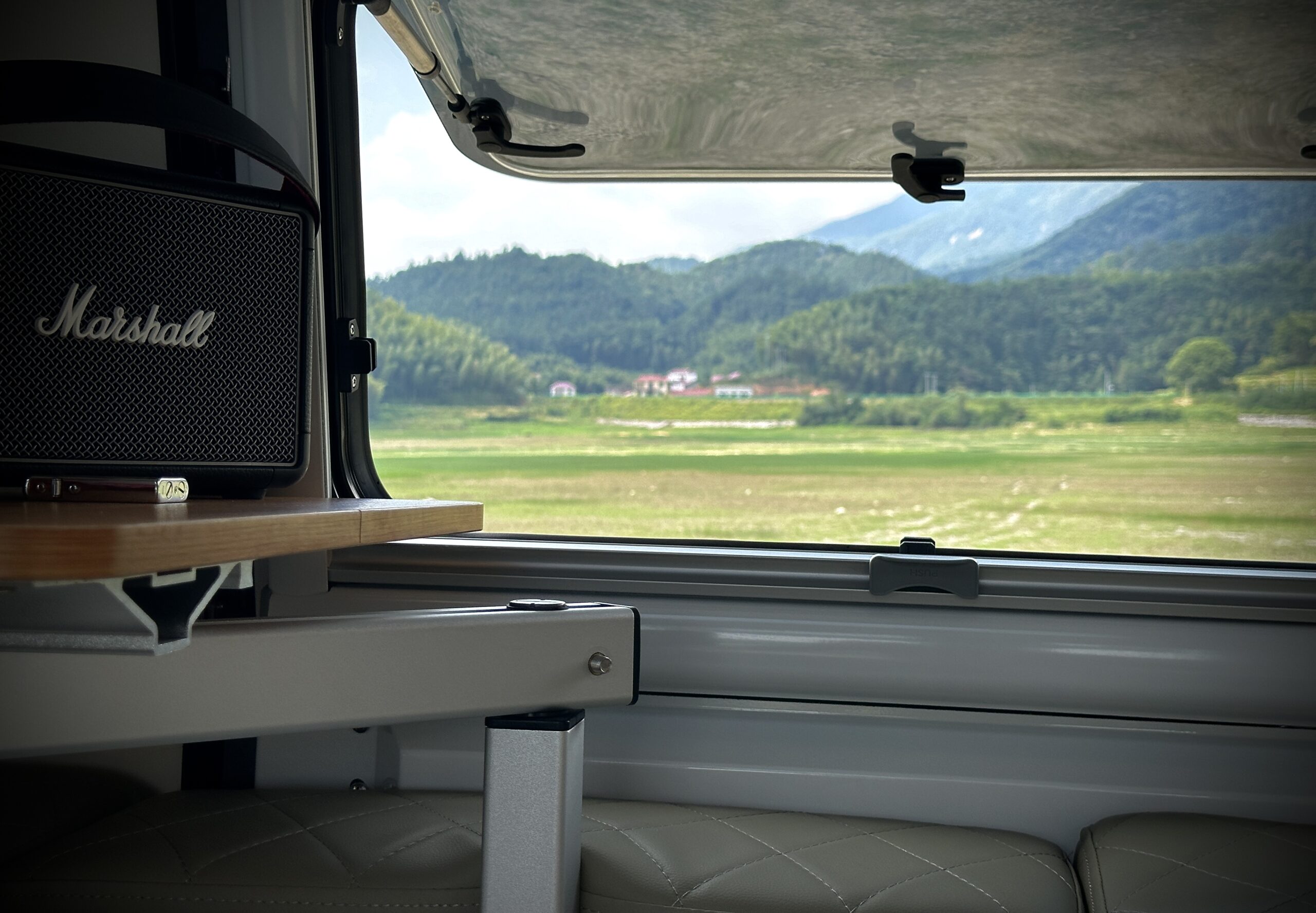
Behind or beneath this sleeping section, the main living area is laid out. It usually houses a convertible dinette, which doubles as an additional bed, a kitchenette with portable or built-in stove and refrigerator, cabinetry for storage, and often a small wet bath or cassette toilet for convenience.
Materials used for camper construction focus on durability and weight savings. High-strength aluminum frames combined with fiberglass or composite panels are common, which helps keep the overall weight manageable for pickup trucks without sacrificing structural integrity and insulation quality.
Customization and Adaptability
Truck campers offer extensive customization options. From flatbed slide-in models to pop-up campers that reduce wind resistance and enhance fuel economy when driving, buyers can select configurations that best suit their outdoor adventures. Advanced features may include solar panels for off-grid power, off-road suspension kits, slide-out extensions for additional space, and climate control systems suited for various weather conditions.
Custom-built campers also accommodate specific vehicle models. This is crucial because the exact dimensions and weight capacity of the truck bed vary significantly depending on the pickup model. Tailoring the camper to fit ensures safe handling and optimal performance, while also protecting the truck’s integrity.
Advantages of Owning a Truck Camper
Truck campers provide unparalleled freedom for outdoor adventurers who want to escape the conventional and explore previously inaccessible areas. Here are some key benefits:
- Mobility: Compared to full-size motorhomes, truck campers are more maneuverable and can easily navigate narrow roads, steep trails, and off-road terrain.
- Versatility: The truck can be used for daily transportation when the camper is unloaded, unlike rigid motorhomes or trailers that require towing.
- Compact convenience: They fit in standard parking spots and campgrounds, making them easier to store and manage.
- Cost-efficiency: Generally more affordable than larger RVs and require less maintenance and fuel.
- Self-sufficiency: Many models come equipped with water tanks, generators, solar power, and waste management systems that allow prolonged camping without hookups.
Who Should Consider a Truck Camper?
Truck campers are ideal for a range of users. Solo travelers and couples who prefer quick getaways and remote camping often find them invaluable. Off-road enthusiasts who venture into backcountry areas appreciate their ruggedness and the ability to camp in less accessible spots. Families can also benefit from larger models with slide-outs or additional sleeping configurations, though space is typically more limited than traditional RVs.
Professionals who need mobile living quarters, such as field researchers, hunters, or photographers, find truck campers useful because they combine transportation and shelter in a convenient package. Additionally, the adaptability of truck campers makes them a smart choice for anyone wanting a balance between daily vehicle utility and a comfortable camper.
Maintenance and Upkeep
Owning a truck camper involves regular maintenance to ensure safety, functionality, and longevity. Key areas include:
- Structural maintenance: Inspecting seals, the camper’s mounting systems, and the exterior shell to prevent leaks and weather damage.
- Mechanical checks: Maintaining electrical systems, propane connections, water pumps, and HVAC units.
- Truck maintenance: Ensuring the pickup truck’s suspension, tires, brakes, and engine are maintained to handle the additional weight and stress.
- Cleaning: Regular internal and external cleaning to prevent mold, corrosion, or mechanical issues.
Properly stored and cared for, many truck campers provide reliable service for many years.
Popular Models and Market Trends
The truck camper market has grown steadily, driven by increased interest in outdoor recreational activities and the desire for more flexible travel options. Leading manufacturers produce a variety of models catering to diverse preferences—from minimalist pop-up campers for the ultra-lightweight traveler to luxury models with extensive amenities for long-term living.
Recent trends focus on eco-friendly designs incorporating solar energy, energy-efficient appliances, and sustainable materials. Smart technology integration for monitoring systems and remote control of climate and security features is also becoming more common.
Many companies customize campers to individual trucks, a trend that helps customers get exactly what they need without compromise.
Buying Tips
When considering a truck camper purchase, keep the following in mind:
- Compatibility: Ensure the camper fits your pickup truck’s bed size and weight capacity.
- Usage: Plan how you’ll use the camper — for weekend trips, extended travel, off-road adventures, or other purposes — and select features accordingly.
- Weight considerations: Factor in weight distribution and payload limits to maintain safe driving conditions.
- Insulation and weatherproofing: Choose models suitable for the climates you expect to travel in.
- Warranty and support: Check what kind of after-sales support and warranty coverage the manufacturer or dealer provides.
- Resale value: Consider brands and designs known for retaining value.
Engaging with online forums, reading reviews, and attending RV shows can provide additional insights and help you make a well-informed decision.
Conclusion
Truck campers represent a unique segment of recreational vehicles that perfectly blend mobility, convenience, and ruggedness. Whether you seek a weekend escape into nature, a fully equipped mobile base for work adventures, or an off-grid livable space, truck campers provide a compact yet functional solution. With customizable options, a variety of sizes, and evolving innovations, they continue to grow in popularity among outdoor enthusiasts worldwide. By understanding their design, use, maintenance, and purchase considerations, you can confidently select and enjoy a truck camper that elevates your travel experience and expands your exploration horizons.