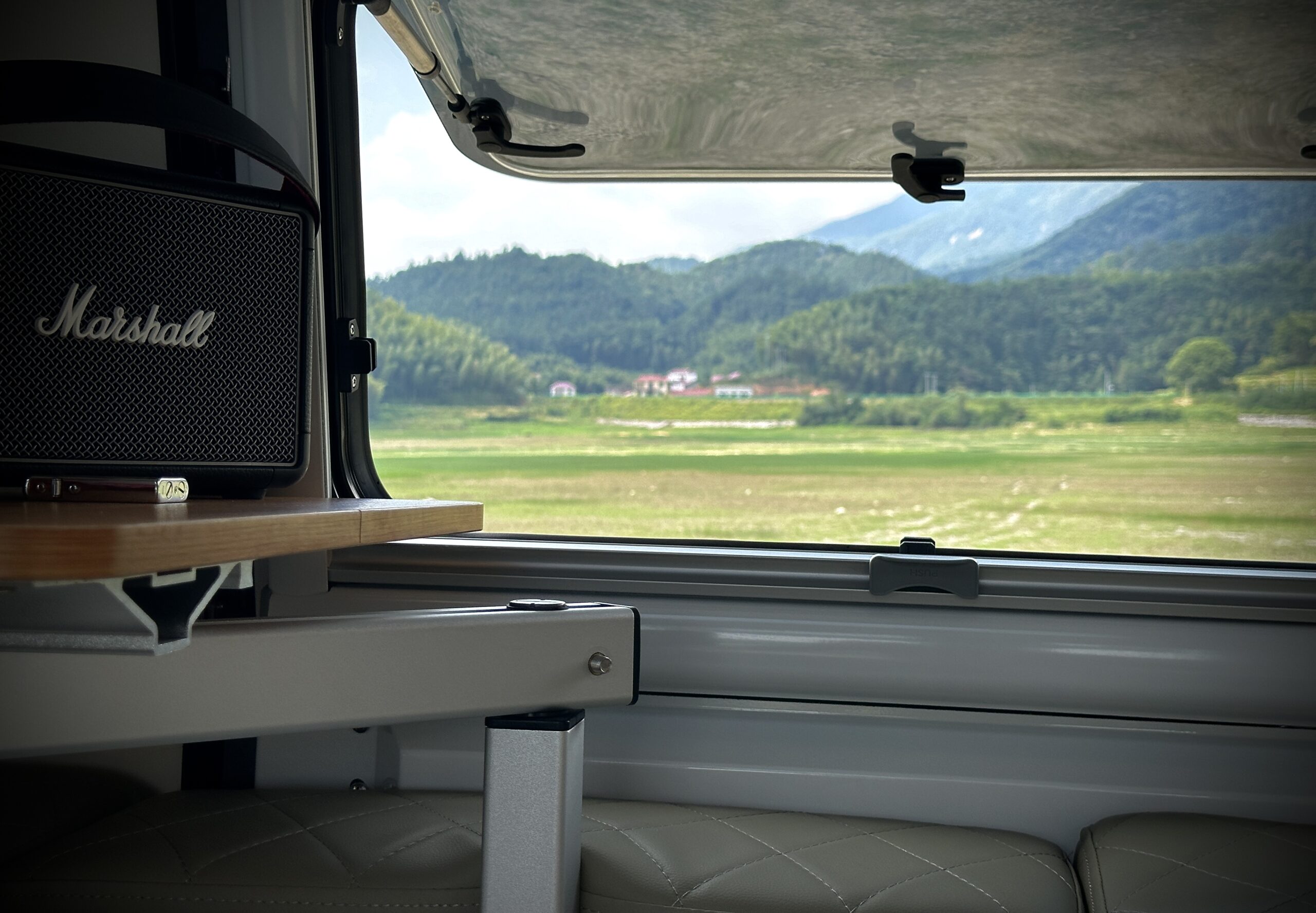
Truck campers have surged in popularity over recent years, transforming how adventurous travelers and outdoor enthusiasts explore the world. Their flexibility, comfort, and convenience allow users to travel to remote destinations while enjoying all the essential comforts of home. This comprehensive article delves deep into the world of truck campers, exploring their designs, benefits, types, customization options, and key considerations to help you determine why these vehicles stand out as the ultimate mobile living solution.
What is a Truck Camper?
A truck camper is a type of recreational vehicle designed to be loaded onto the bed of a pickup truck. Unlike traditional travel trailers or motorhomes, truck campers offer a compact setup that utilizes the existing pickup truck as the base vehicle. This integration provides strong maneuverability, off-road capability, and a more adaptable camping experience in a broad range of environments.
Unlike large RVs that require significant towing power or huge parking spaces, truck campers are ideal for individuals or families who want mobility without sacrificing essential living spaces. They typically consist of a lightweight living area, including sleeping quarters, kitchenette, and basic bathroom amenities, all within a compact footprint.
The Rise in Popularity of Truck Campers
The rise in remote work, coupled with growing interest in outdoor adventures, has pushed more people to explore mobile living options. Truck campers provide a perfect balance between a rugged outdoor vehicle and a comfortable living space, making them highly desirable for a new generation of explorers.
Another reason for their popularity is the versatility; since these campers can be mounted and removed from the truck, users can switch between daily drive mode and full camper setup quickly. In addition, truck campers fit in standard parking spaces and navigate tighter trails and roads that large RVs cannot access, widening the scope of camping locations.
Key Benefits of Truck Campers
Truck campers offer several practical and lifestyle benefits:
- Versatility: Mountable and removable design means you can use the truck for everyday driving or transform it into a cozy camper.
- Off-Road Capability: Since they rely on trucks, especially 4×4 models, truck campers can reach isolated and rugged locations where standard RVs cannot venture.
- Compact Size: Easier driving, parking, and storage compared to larger motorhomes and trailers.
- Cost Efficiency: Generally more affordable than full-sized motorhomes and better fuel efficiency due to smaller size and weight.
- Customization: Many truck campers can be custom-built or modified to suit user preferences and pickup models.
- Self-Contained Living: Despite their size, many offer amenities such as beds, kitchenettes, bathrooms, heating, and cooling solutions.
Types of Truck Campers
The truck camper market has evolved with innovation and customization to meet diverse needs. Here are the main types:
- Pop-Up Truck Campers: These fold down flat for travel and pop up to increase living space when parked. They are lightweight and easy to store.
- Hard-Side Truck Campers: Featuring solid, insulated walls, these campers offer better protection against weather and more comfort but are heavier and less compact.
- Teardrop Truck Campers: Small, aerodynamic campers designed for basic sleeping and cooking, ideal for solo adventurers or couples.
- Expandable Truck Campers: With sections that slide out or expand once parked, these provide additional interior space without significantly increasing travel size.
Design and Layout Considerations
When selecting or designing a truck camper, understanding the internal layout and space optimization is critical for comfort and usability. Considerations include:
- Sleeping Quarters: Often located above the truck cab (cab-over design), maximizing space usage. Sizes vary from single beds to queen-sized beds depending on camper size.
- Kitchen Area: Usually compact, features include a small stove, sink, refrigerator, and storage for utensils and food.
- Bathroom Facilities: Depending on the model, bathrooms might include a cassette toilet, portable shower, or even full wet-bath setups.
- Storage: Clever storage for clothes, camping gear, and utilities is key to maintaining a clutter-free living space.
- Dining and Seating: Convertible dinettes that turn into beds are common, maximizing utility of limited space.
Customization and Pickup Compatibility
One of the distinctive advantages of truck campers is the ability to customize the camper box based on the specific pickup truck model. Manufacturers use precise measurements to create camper shells that fit perfectly on different trucks, such as Ford F-Series, Chevrolet Silverado, Toyota Tacoma, RAM, and others. Customization can extend beyond fitment to feature choices like solar panels, awnings, upgraded insulation, LED lighting, and high-efficiency appliances.
Customers seeking tailor-made solutions can collaborate with manufacturers to design campers that include specialty features such as extra battery capacity, water filtration systems, off-grid power sources, and more durable materials for extreme environments.
Materials and Build Quality
High-quality materials are essential for durability, insulation, and weight management. Common materials used include:
- Aluminum and Fiberglass: For outer walls that balance durability with lightweight construction.
- Insulation: Foam or composite insulation for maintaining comfortable interior temperatures in hot and cold climates.
- Interior Finishes: Plywood, laminate, and lightweight composites for cabinetry and flooring to reduce weight while offering durability.
Waterproofing and weather sealing are also priorities in truck camper construction to protect against rain, snow, and dust encountered during various adventures.
Technology and Amenities
Modern truck campers incorporate a range of technology options to enhance user comfort and autonomy:
- Solar Power Systems: Roof-mounted solar panels combined with lithium batteries and charge controllers allow off-grid electricity generation.
- Energy Efficient Appliances: Low-consumption fridges, induction cooktops, and LED lighting help conserve power.
- Heating and Cooling: Compact air conditioners, heat pumps, and propane heaters maintain comfortable temperatures regardless of the environment.
- Connectivity: Wi-Fi boosters, satellite TV, and GPS systems support digital needs on the go.
Choosing the Right Pickup Truck for Your Camper
The truck camper is heavily dependent on the truck’s capabilities:
- Payload Capacity: Must support the camper’s weight plus passengers and gear without affecting safety.
- Bed Size: Camper must fit securely on the truck bed (short, standard, or long bed options).
- Drive Train: 4×4 capability is crucial for off-road use.
- Suspension and Brakes: Must be compatible with the extra weight of the camper to ensure smooth handling and safety.
Truck owners need to verify manufacturer specifications to maintain vehicle warranty and comply with safety regulations when adding a camper.
Maintenance and Care of Truck Campers
Caring for your truck camper ensures longevity and performance:
- Regular Inspection: Check seals, fasteners, tires, and electrical systems frequently.
- Proper Storage: Store in covered or sheltered areas during off-season or harsh weather.
- Cleaning: Use recommended cleaning products to protect exterior and interior surfaces.
- Battery and Propane Systems: Maintain and inspect regularly to avoid leaks or failures.
Seasonal maintenance helps prevent costly repairs and keeps your camper ready for every adventure.
The Environmental Impact and Sustainability of Truck Campers
As more travelers seek eco-friendly options, truck campers provide a relatively sustainable solution compared to larger motorhomes or towing trailers. Their smaller size and lighter weight contribute to reduced fuel consumption. Solar energy integration further decreases carbon footprints by minimizing reliance on fossil fuels. Additionally, manufacturers increasingly use recyclable materials and sustainable building practices to reduce environmental impact.
When equipped with composting toilets and efficient water use systems, truck campers help reduce waste and conserve resources during camping trips.
Popular Brands and Manufacturers
The truck camper industry includes a variety of established and emerging manufacturers known for quality and innovation. Some respected names include:
- Northstar Campers
- Lance Camper Manufacturing
- Four Wheel Campers
- Host Campers
- Palomino Campers
Choosing a reputable manufacturer often guarantees warranty support, quality assurance, and access to customization experts, making for a better ownership experience.
Cost Overview and Budgeting
The cost of truck campers varies widely based on size, materials, amenities, and customization options. Entry-level pop-up models can start around $10,000 – $20,000, while fully featured hard-side campers with custom interiors can exceed $60,000 or more.
In addition to purchase price, buyers should budget for installation, truck modifications (such as suspension upgrades), insurance, and maintenance expenses. However, the overall cost is generally lower than larger RV alternatives.
Use Cases and Lifestyle Adaptations
Truck campers suit a variety of lifestyles and camping styles:
- Weekend Warriors: Ideal for quick escapes with minimal packing and setup time.
- Full-Time Travelers: Equipped for extended living, remote work, and alternate homes.
- Adventure Seekers: 4×4 capable models support exploration of difficult terrain like mountains, deserts, and forests.
- Family Camping: Some truck campers offer multiple beds and expandable sections for small families.
With adaptable interiors and reliable mobility, truck campers transform how people experience the outdoors.
Tips for First-Time Truck Camper Buyers
If you are new to truck campers, consider the following before purchasing:
- Assess Your Needs: Identify how many people will camp, sleeping preferences, and intended travel environments.
- Check Truck Compatibility: Review your vehicle’s payload and bed size for safety and fitment.
- Explore Models: Visit dealerships, attend RV shows, or rent to test various options.
- Consider Weight and Handling: Ensure your truck can handle travel dynamics safely.
- Plan for Amenities: Decide must-have versus nice-to-have features to balance comfort and budget.
- Review Warranty and Service: Choose manufacturers with solid support networks.
Conclusion
Truck campers represent a perfect fusion of adventure, comfort, and flexibility on the road. By combining the rugged capability of pickup trucks with well-designed, compact living spaces, these campers enable travelers to explore widely and live comfortably without the restrictions of traditional RVing. Whether you seek weekend fun or a full-time mobile lifestyle, understanding the types, benefits, and essential considerations explained in this article will empower you to make an informed choice that fits your unique needs and adventurous spirit.
With ongoing innovations in design and technology, the future of truck campers looks bright—making mobile living more accessible, efficient, and exciting than ever before.