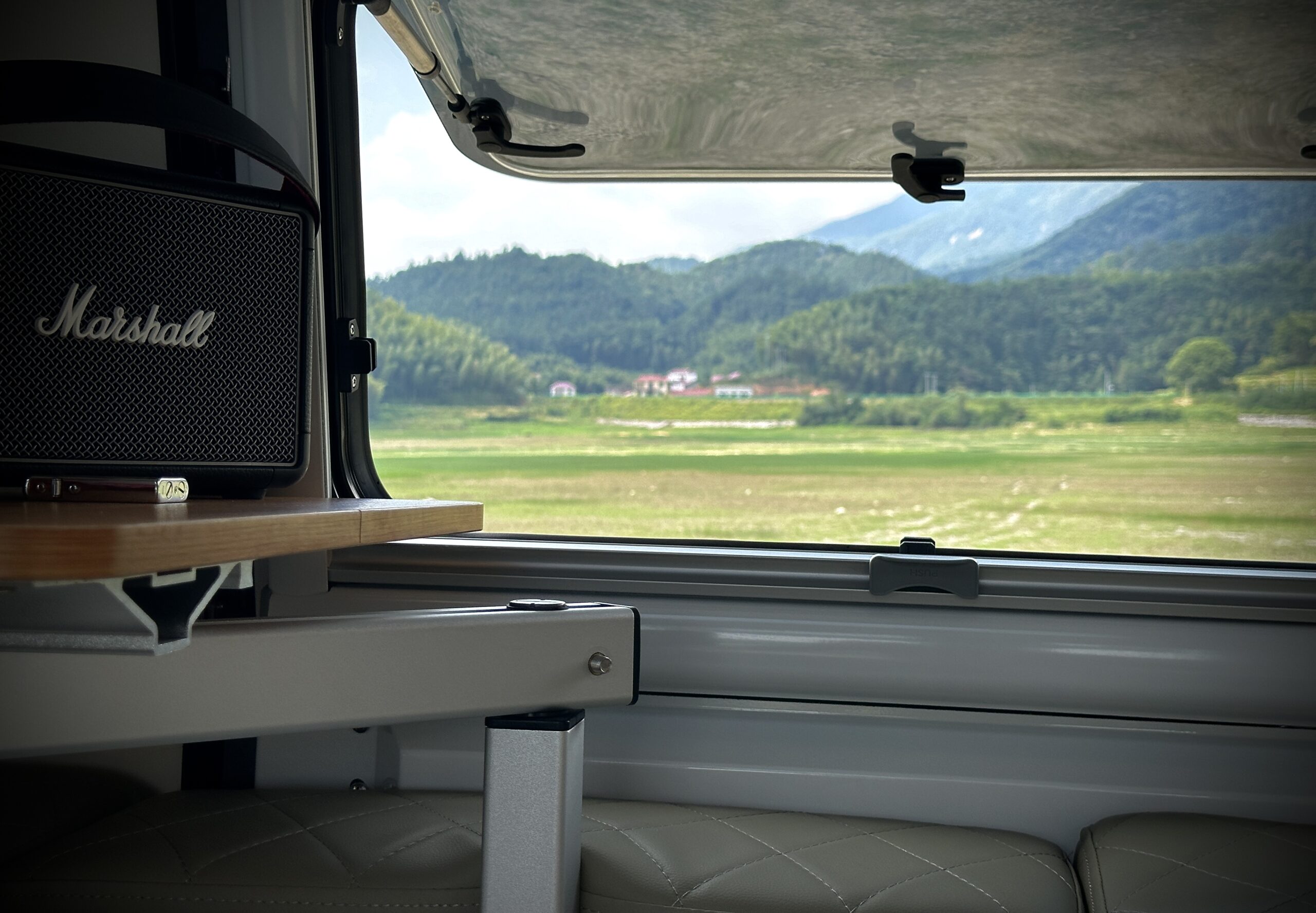
Truck campers have revolutionized the way adventurers explore the outdoors, combining the flexibility of a pickup truck with the comfort of a mobile living space. These versatile vehicles allow travelers to venture off the beaten path without sacrificing the essentials of home. This comprehensive guide dives into the world of truck campers, covering everything from design features and customization options to benefits, maintenance tips, and the latest innovations in the industry.
What Is a Truck Camper?
A truck camper is a compact recreational vehicle designed to be loaded onto the bed of a pickup truck. Unlike traditional RVs or travel trailers, truck campers are detachable, offering great flexibility to their owners. The camper completely utilizes the truck bed space to provide accommodations such as a sleeping area, kitchenette, dining space, and sometimes bathroom facilities. They’re perfect for solo travelers, couples, or small families who want mobility combined with comfortable shelter.
Design and Construction of Truck Campers
The construction of a truck camper starts with a robust frame that fits securely on the truck bed, typically anchored by tie-downs or turnbuckles. The main structure often uses lightweight yet durable materials such as aluminum, fiberglass, or composite panels. Insulation is critical for even temperature control, typically using foam or other thermal materials embedded within walls and floors.
The interior space of truck campers is intelligently laid out to maximize functionality. A pop-up or slide-out roof may be featured to increase headroom, making the camper feel more spacious when parked. Features include:
- Sleeping berth usually atop the cab or rear section
- Compact kitchen with a stove, sink, and refrigerator
- Seating and dining areas convertible into beds
- Storage compartments for equipment and supplies
- Bathroom and shower facilities in some models
Customization Options for Truck Campers
One of the significant benefits of truck campers is their customizability. Depending on your lifestyle, travel needs, and truck size, manufacturers offer tailored camper designs. Options include:
- Size adjustments to fit different truck bed lengths and widths
- Material choices to balance weight versus durability
- Upgraded roofing such as solar panels for off-grid energy
- Advanced heating and cooling systems suited to various climates
- Specialized kitchen appliances or bathroom setups
- Exterior storage additions like racks for bicycles, kayaks, or gear
Custom builds often integrate technology and smart storage solutions for efficiency. Adjustable lighting, modular furniture, and convertible layouts optimize limited space.
Advantages of Truck Campers Over Traditional RVs or Trailers
Truck campers provide several advantages making them highly attractive for outdoor enthusiasts:
- Mobility and Off-Road Capability: Mounted directly on a pickup truck, they can navigate rougher terrain that larger RVs may struggle with.
- Compact and Maneuverable: Easier to drive and park compared to bulky motorhomes or trailers.
- Versatility: The truck can be detached and used independently when desired.
- Cost-Effective: Generally more affordable upfront and cheaper to maintain.
- Fuel Efficiency: Due to their lighter weight, truck campers often consume less fuel than larger RVs.
- Storage Convenience: Easier to store at home without requiring large facilities.
Selecting the Right Truck Camper for Your Needs
Choosing the perfect truck camper depends on numerous factors including your truck model, travel habits, budget, and personal preferences. Here’s a structured approach to help you decide:
1. Identify Your Truck Bed Size
Truck campers come in sizes to fit short, standard, or long bed trucks. Measuring your bed length and width is crucial to ensure compatibility and safety.
2. Define Your Usage
Are you an off-road adventurer, a weekend traveler, or a full-time van life enthusiast? Usage frequency and terrain help determine the camper’s ruggedness and features needed.
3. Prioritize Features
Must-have amenities like bathroom facilities or heating might influence the layout and weight of the camper.
4. Understand Weight Limits
Every truck model has payload limits. Ensuring the camper does not exceed these limits is critical to preserve vehicle performance and safety.
5. Determine Your Budget
Prices vary widely based on materials, technology, and customization. Set a realistic budget including future maintenance and upgrade costs.
Maintenance and Care for Truck Campers
Proper maintenance ensures your truck camper remains safe, functional, and comfortable for years to come. Regular tasks include:
- Inspecting tie-downs and mounting hardware for secure attachment
- Cleaning and resealing roof joints to prevent leaks
- Checking for signs of water damage or mold inside
- Maintaining appliances and electrical systems
- Lubricating moving parts like slide-outs or pop-up mechanisms
- Winterizing plumbing before cold weather to avoid damage
Consult your manufacturer’s manual for specific instructions and recommended maintenance intervals.
Innovations and Trends in Truck Camper Design
The camper industry is evolving rapidly, fueled by advances in materials, technology, and changing consumer needs. Recent innovations include:
- Lightweight Composite Materials: Using carbon fiber or advanced plastics reduces weight without compromising durability.
- Solar Power Integration: High-efficiency solar panels combined with lithium batteries enable longer off-grid stays.
- Smart Home Technology: Automated controls for lighting, climate, security, and appliances accessible via smartphone apps.
- Eco-Friendly Designs: Water-saving fixtures, composting toilets, and sustainable materials are becoming more common.
- Modular Interiors: Allowing quick reconfiguration depending on needs, such as transforming sleeping areas into workspace.
Popular Brands and Models in the Truck Camper Market
Among the leading manufacturers of truck campers, some names stand out for their reputation and innovation:
- Four Wheel Campers: Known for lightweight pop-up models suitable for compact pickups.
- Lance Campers: Offers a range of high-quality campers with modern interiors.
- Hallmark RV: Provides rugged, handcrafted campers customized for off-road adventures.
- Escape Campervans: Focuses on colorful, budget-friendly options for casual travelers.
When selecting a brand, consider reviews, warranty coverage, and dealer support in your region.
Preparing for Your First Truck Camper Adventure
To make the most of your truck camper experience, preparation is key. Here are actionable tips:
- Test Drive and Practice: Get comfortable driving with the camper mounted and test maneuvering in different scenarios.
- Pack Smart: Prioritize multi-use items and avoid overloading your truck camper.
- Plan Your Routes: Research campsites and roads suitable for vehicles with your profile.
- Stay Updated on Weather: Understand how your camper handles various conditions.
- Learn Maintenance Basics: Know how to perform on-the-road repairs or adjustments.
Conclusion
Truck campers offer a compelling solution for adventurous travelers who desire the freedom to explore remote locations without sacrificing the comforts of home. Their combination of flexibility, customization, and affordability makes them a popular choice in the outdoor recreation space. Whether you’re a seasoned explorer or new to the concept, understanding the design, options, and best practices will prepare you for many memorable journeys.
By choosing the right truck camper built to your specific needs and maintaining it diligently, your investment can open a world of discovery and convenience for years to come.