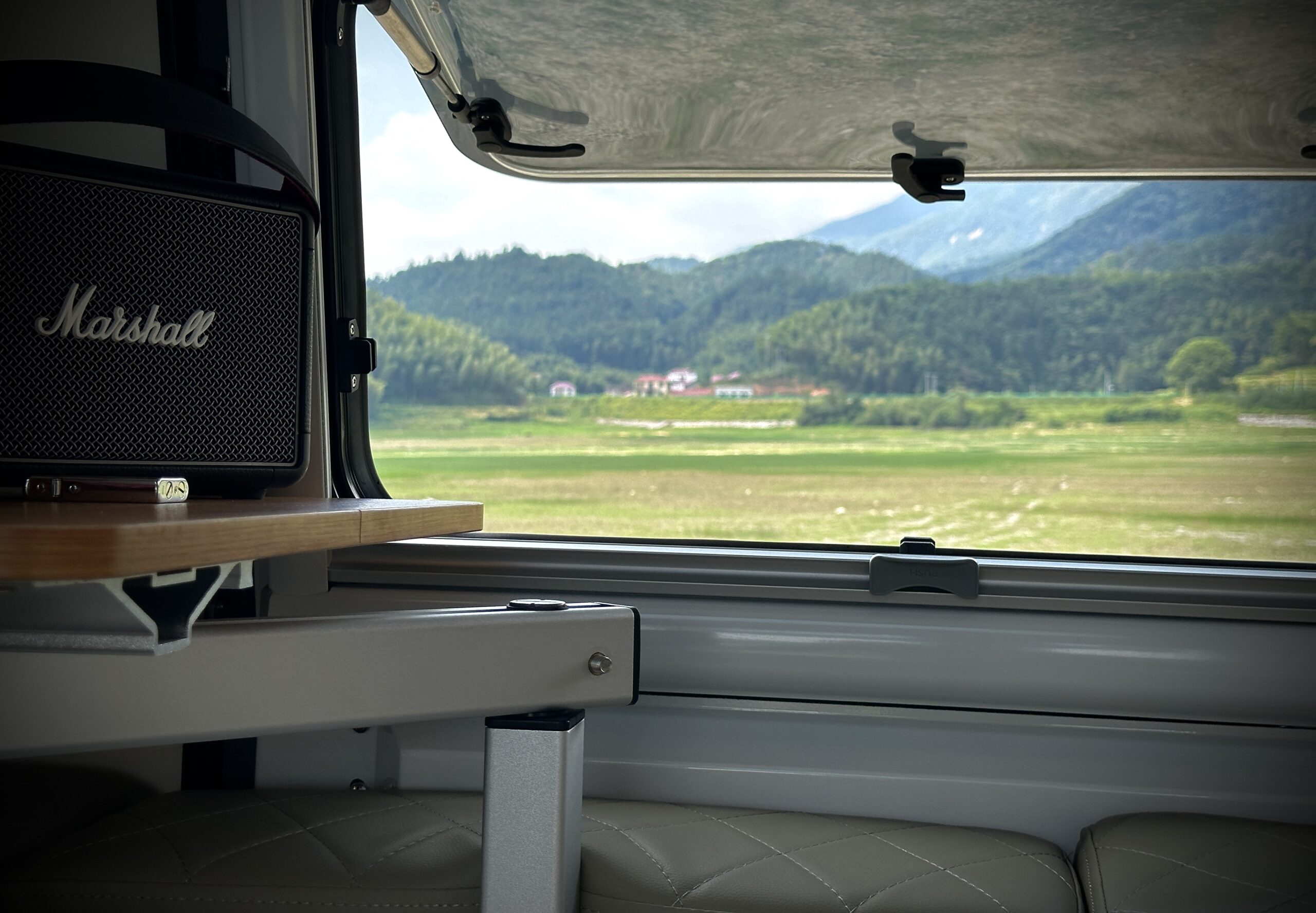
Truck campers have become increasingly popular among outdoor enthusiasts and adventurers who seek the freedom to explore remote locations without sacrificing comfort and convenience. Combining the utility of a pickup truck with the versatility of a mobile living space, truck campers offer a unique solution for those who desire mobility, flexibility, and self-sufficiency on the road.
What Is a Truck Camper?
A truck camper is a type of recreational vehicle (RV) designed to be mounted onto the bed of a pickup truck. Unlike traditional RVs or motorhomes that are larger and self-propelled, truck campers leverage the mobility and off-road capability of pickup trucks while providing essential living amenities such as sleeping quarters, cooking areas, bathrooms, and storage space within a compact footprint.
Advantages of Truck Campers
The appeal of truck campers lies in their unique combination of features that cater to a wide range of outdoor lifestyles. Here are some key advantages:
- Mobility and Maneuverability: Because truck campers are mounted on pickup trucks, they retain the truck’s ability to navigate rough terrain, narrow roads, and tight parking spaces—making them ideal for off-road adventures and remote locations.
- Compactness: Truck campers have a much smaller footprint compared to conventional RVs, allowing for easier storage, lower costs, and simpler driving experiences.
- Customization: Many manufacturers, such as leading Chinese producers, offer custom-built camper boxes tailored to specific pickup truck models, ensuring a perfect fit and optimal use of space.
- Cost-Effective: Compared to larger motorhomes, truck campers typically involve lower upfront purchase and maintenance costs.
- Detachable Design: When parked, the camper can be detached from the truck, allowing the vehicle to be used independently for errands, work, or local travel.
Core Components of a Truck Camper
Despite their compact size, truck campers can pack a variety of essential living features, carefully designed for maximum functionality and comfort. Common components include:
- Sleeping Area: Usually located above the truck cab, this space often accommodates a double or queen-sized mattress, providing a comfortable resting place with better insulation and privacy.
- Kitchenette: Featuring compact cooking appliances like a stove, microwave, refrigerator, and sink, the kitchenette enables meal preparation on the go.
- Bathroom Facilities: Many campers include a wet bath—a combination toilet and shower area. More advanced models might contain separate shower stalls or portable toilets.
- Storage Spaces: Efficient storage solutions are integrated throughout the camper, including cabinets, drawers, and exterior compartments for gear and supplies.
- Heating and Cooling Systems: To ensure comfort during varying weather conditions, campers are often equipped with propane heaters, air conditioners, and ventilation fans.
Types of Truck Campers
Truck campers come in a variety of styles depending on construction materials, size, and features. Some of the common types include:
- Pop-Up Truck Campers: These have expandable sections that can be lowered during transport and raised during camping, reducing wind resistance on the road while expanding interior space when stationary.
- Hard-Shell Truck Campers: Featuring solid walls and roofs typically made from fiberglass, aluminum, or composite materials, hard-shell campers offer superior durability, weather resistance, and insulation.
- Slide-In Campers: Designed to slide in and out of the truck bed easily, offering flexibility in detachment and attachment.
- Custom-Built Campers: Many manufacturers specialize in tailor-made camper solutions customized to fit specific trucks, lifestyles, and needs, optimizing space utilization and design functionality.
Material Choices and Construction Techniques
The construction of truck campers significantly influences durability, weight, and thermal performance. Common materials include:
- Fiberglass: Lightweight, durable, and resistant to weather, fiberglass is a popular choice for exterior shells.
- Aluminum: Offers strength and corrosion resistance with slightly more weight. Often used in framing and exterior panels.
- Composite Panels: Combining multiple layers such as plywood, insulation foam, and fiberglass for wall systems that offer thermal efficiency and rigidity.
- Wood: Utilized primarily in framing and cabinetry for its workability and traditional aesthetics, but requires proper treatment to resist moisture.
Innovations in Truck Camper Design
Leading manufacturers continue to push the envelope in the design and functionality of truck campers. Some innovations include:
- Solar Energy Integration: Incorporation of solar panels and energy management systems allows campers to run appliances and lighting sustainably, increasing off-grid capability.
- Lightweight Materials: Advances in materials have led to lighter campers, enabling better fuel efficiency and expanding compatibility with smaller pickup trucks.
- Modular Interiors: Furniture and fixtures designed to be multi-purpose or foldable maximize limited space and enhance customization.
- Smart Technology: Implementation of smart home features such as remote-controlled appliances, climate control, and security systems enhance convenience and safety.
Choosing the Right Truck Camper
Selecting the ideal truck camper depends on a variety of factors related to your vehicle, lifestyle, and intended use. Consider the following:
- Truck Compatibility: Ensure the camper matches your truck’s bed size, payload capacity, and model specifications to maintain safety and performance.
- Lifestyle Needs: Reflect on trip duration, geographic locations, and weather conditions. For example, those camping primarily in cold climates should prioritize insulation and heating capabilities.
- Layout Preferences: Consider sleeping arrangements, bathroom requirements, and cooking needs aligned with your personal priorities.
- Budget Constraints: High-end models offer more amenities and custom features but come at a premium, whereas basic models might suffice for occasional trips.
- Storage and Maintenance: Evaluate whether you have adequate space for storage and access to maintenance services for your camper type.
Popular Use Cases for Truck Campers
Truck campers are versatile and can serve a range of applications beyond traditional camping:
- Overlanding and Off-Road Adventures: Their compactness and rugged design make them perfect for accessing remote, off-the-beaten-path locations.
- Worksite Housing: Professionals working in remote areas can utilize truck campers as comfortable temporary housing solutions.
- Travel and Road Trips: Ideal for individuals or small families seeking to combine road travel with flexible lodging options.
- Emergency and Disaster Relief: Truck campers can function as mobile command centers or temporary shelters in crisis zones.
Maintaining and Caring for Your Truck Camper
To maximize the lifespan and performance of your truck camper, regular maintenance and care are critical. Key tips include:
- Regular Inspections: Check for leaks, cracks, and structural integrity, particularly after long trips or harsh weather exposure.
- Cleaning: Use appropriate cleaning agents for various materials, paying attention to windows, seals, and interior surfaces.
- Winterizing: If stored during cold months, properly drain plumbing systems and protect appliances against freezing damage.
- System Checks: Routinely monitor electrical, propane, and ventilation systems for functionality and safety compliance.
- Storage: Store the camper in covered areas or use protective covers to shield from environmental damage.
The Future of Truck Campers
As technology and consumer preferences evolve, truck campers are poised for continued growth and innovation. Emerging trends include:
- Electrification: Integration with electric pickup trucks is expected to grow, requiring campers designed for energy efficiency and longer battery life.
- Sustainability: Use of eco-friendly materials and renewable energy sources will become standard.
- Connectivity: Enhanced internet access and smart control systems will cater to digital nomads and remote workers.
- Customization on Demand: Advances in manufacturing such as 3D printing and modular assembly will allow more personalized designs available at competitive prices.
Conclusion
Truck campers offer an unbeatable blend of mobility, convenience, and comfort for adventurers and travelers seeking autonomy on the road. Their compact design, combined with customizable features, allows users to tailor their living space to their unique preferences while enjoying the rugged versatility of their pickup trucks. Whether you are embarking on a weekend getaway or a cross-country journey, investing in a well-designed truck camper can transform the way you experience the outdoors.
With ongoing innovations and increasing accessibility, truck campers are not only practical homes on wheels but also a lifestyle choice for those drawn to the freedom of the open road and the call of nature.