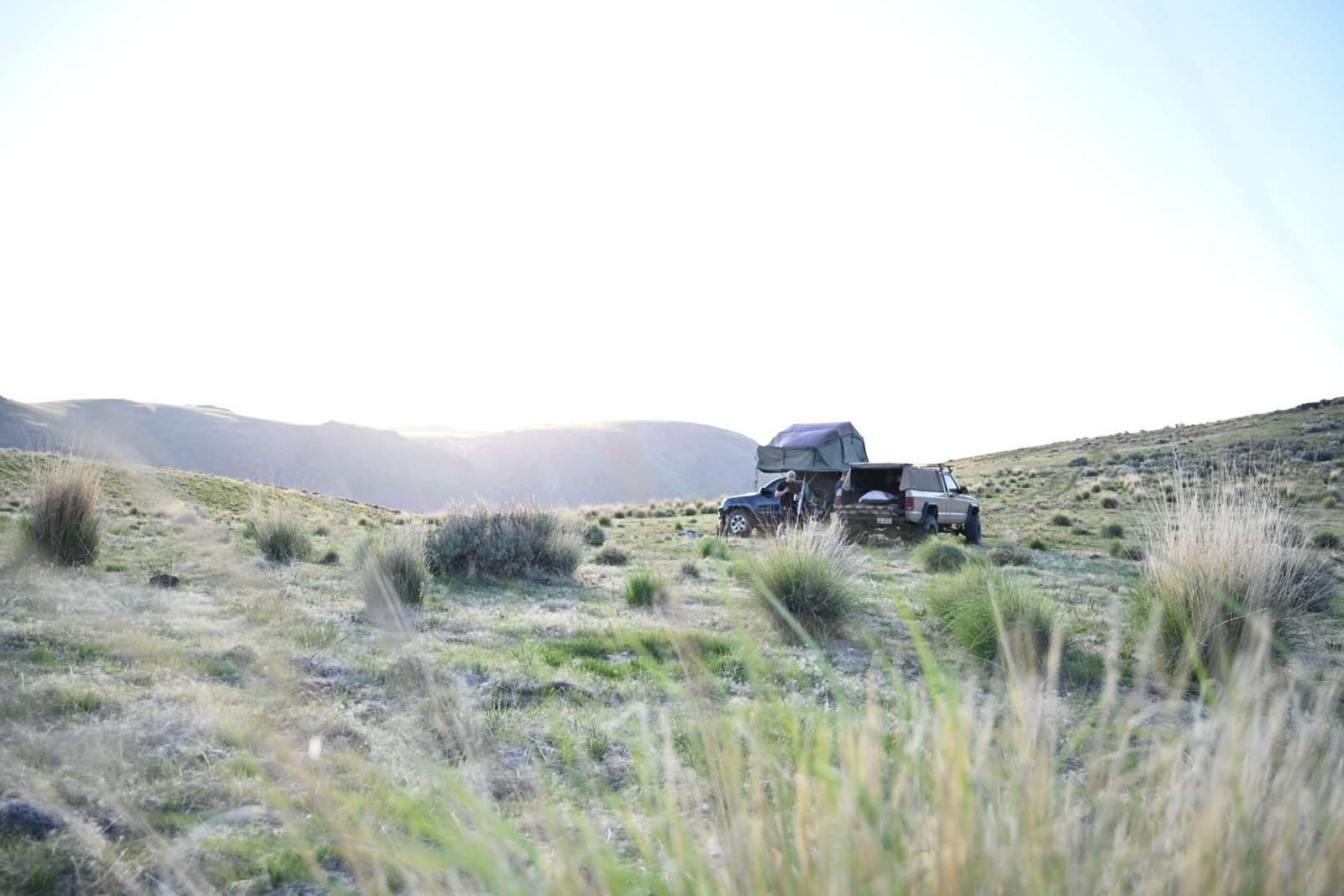
Truck campers have revolutionized the way outdoor enthusiasts experience travel and adventure. These compact, mobile living units mounted directly onto pickup trucks provide a perfect blend of comfort, convenience, and versatility, making them an ideal choice for those who seek freedom on the open road. Whether it’s a weekend getaway or an extended road trip, truck campers offer a unique and flexible solution that caters to a wide range of lifestyles and needs.
What Are Truck Campers?
At their core, truck campers are self-contained living units designed to fit into the bed of a pickup truck. Unlike traditional RVs or travel trailers, they do not require towing and can be detached easily, giving the vehicle full functionality when the camper is not in use. The design typically includes sleeping quarters, kitchen facilities, storage spaces, and sometimes bathroom amenities, all compactly arranged to maximize livability within a small footprint.
Historical Evolution of Truck Campers
The origins of truck campers date back several decades, evolving as campers sought more rugged and off-road capable vehicles for their adventures. Early models were simplistic and limited in function, focusing primarily on providing a dry and safe sleeping space. Modern truck campers, however, have undergone significant innovation with the integration of advanced materials, ergonomic designs, and technological enhancements that improve insulation, energy efficiency, and overall comfort.
Advantages of Truck Campers
The rise in popularity of truck campers stems from multiple advantageous features:
- Mobility and Accessibility: Truck campers offer unparalleled mobility. Since they mount directly on your pickup, they allow easy navigation through narrow or rugged terrain where larger RVs might struggle.
- Compact Size: Their size makes parking and storage easier. You can park in regular spots, access urban areas, and explore remote destinations without logistical headaches.
- Cost-Effectiveness: In comparison to full-sized RVs or motorhomes, truck campers generally come at a lower entry price, with fewer maintenance costs over time.
- Versatility: They provide flexibility as the truck remains fully functional when the camper is removed. This dual-use capability is attractive for everyday use and recreational purposes.
- Customization: Manufacturers offer tailored models to fit different truck beds and specific customer requirements, including interior layouts, appliances, and exterior accessories.
Types of Truck Campers
Truck campers come in various styles and sizes, catering to distinct preferences and use cases. Some of the popular types include:
Slide-In Campers
This basic form fits into the truck bed and generally requires the truck bed walls to secure the camper. Slide-ins vary from lightweight models to more robust designs and are popular for their simplicity and ease of installation.
Pop-Up Truck Campers
These are designed for minimal wind resistance and improved fuel efficiency, featuring foldable sides or roofs that expand once parked. They are lightweight and easy to handle but may offer less insulation compared to rigid wall campers.
Hard-Shell Truck Campers
Built with durable, solid walls, these units provide superior protection against weather elements and often come equipped with more luxurious amenities such as full bathrooms and kitchenettes. They also offer better insulation for year-round camping.
Off-Road Truck Campers
Designed specifically for rugged terrains, off-road models incorporate reinforced suspensions and chassis adaptations, rugged tires, and sometimes integrated water and power systems optimized for remote locations.
Key Features to Consider
When selecting or designing a truck camper, several important factors influence comfort, functionality, and usability:
- Size and Weight: It’s critical to match the camper’s size and weight to your truck’s payload and towing capacity. Oversized campers can compromise vehicle safety and performance.
- Sleeping Arrangements: Personal needs vary—some campers prioritize a queen bed, while others opt for convertible sofas or bunk beds to maximize sleeping space.
- Kitchen Facilities: Options range from simple countertop stoves and small refrigerators to fully integrated kitchens with ovens, sinks, and microwaves.
- Bathroom Amenities: Not every truck camper has a bathroom, but those that do may include compact showers, toilets, and fresh water storage tanks.
- Storage Solutions: Clever storage design is essential in limited space. Under-bed compartments, overhead cabinets, and exterior storage boxes help keep the camper organized.
- Energy Systems: Many campers incorporate solar panels, auxiliary batteries, and energy-efficient appliances to support off-grid living.
- Insulation and Climate Control: High-quality insulation ensures comfort in all seasons. Some models also offer air conditioning and heating systems.
Custom-Built Truck Campers
Customization is a growing trend within the truck camper market. Tailoring a camper box to specific pickup models enhances fit, durability, and aesthetics. Professional manufacturers often collaborate closely with clients to address individual preferences for layout, interior design, and equipment. For example, custom food trailers and mobile restroom/shower trailers can be engineered to function as part of a camper system, adding professional capabilities for commercial or extended travel use.
Popular Brands and Manufacturers
China has emerged as a leader in manufacturing truck campers, offering a broad spectrum of models with competitive pricing and quality craftsmanship. Their well-equipped production facilities enable the development of innovative designs tailored for both domestic and international markets. Quality control, use of durable materials, and adherence to specific export standards have helped Chinese manufacturers quickly gain global recognition.
Maintenance and Care
Proper care is essential to maximize the lifespan and performance of a truck camper. Routine maintenance includes checking roof seals, inspecting appliances, testing electrical systems, and cleaning water tanks. Seasonal preparation, such as winterizing plumbing and heating systems, will ensure durability and comfort throughout variable weather conditions.
Environmental and Practical Considerations
Modern truck campers are increasingly designed with sustainability in mind. Solar power integration reduces reliance on gasoline generators, water-efficient fixtures conserve resources, and the use of eco-friendly materials minimizes environmental impact. Additionally, because truck campers have a smaller physique compared to traditional RVs, they typically consume less fuel, making them a greener alternative for road trips and camping.
Why Choose a Truck Camper?
Choosing a truck camper serves not just a transportation need but a lifestyle choice. It appeals to those who crave independence, the ability to explore uncharted territories, and a minimalist approach toward travel gear. The adaptability means campers can rapidly change their living arrangements depending on the journey—from secluded mountain hikes to bustling campgrounds. Coupled with the ease of city driving and parking, truck campers offer unparalleled freedom.
Future Trends in Truck Campers
The future of truck campers looks bright with continuous technological advancements. Smart home technologies are being adapted for use inside campers, including remote climate control, security monitoring, and integrated entertainment systems. Lightweight composite materials are making campers even easier to handle without sacrificing durability. Furthermore, as electric and hybrid pickup trucks become increasingly popular, expect innovation in electric camper power integration to enhance off-grid capabilities.
Conclusion
Truck campers represent an exciting convergence of mobility, convenience, and outdoor living. Their compact size, adaptability, and customizable features make them an excellent option for adventurers who want more than just a tent but less than a traditional RV. With rising interest worldwide and ongoing advancements, truck campers will continue to redefine the essence of travel and exploration, bridging the gap between rugged durability and comfortable living.