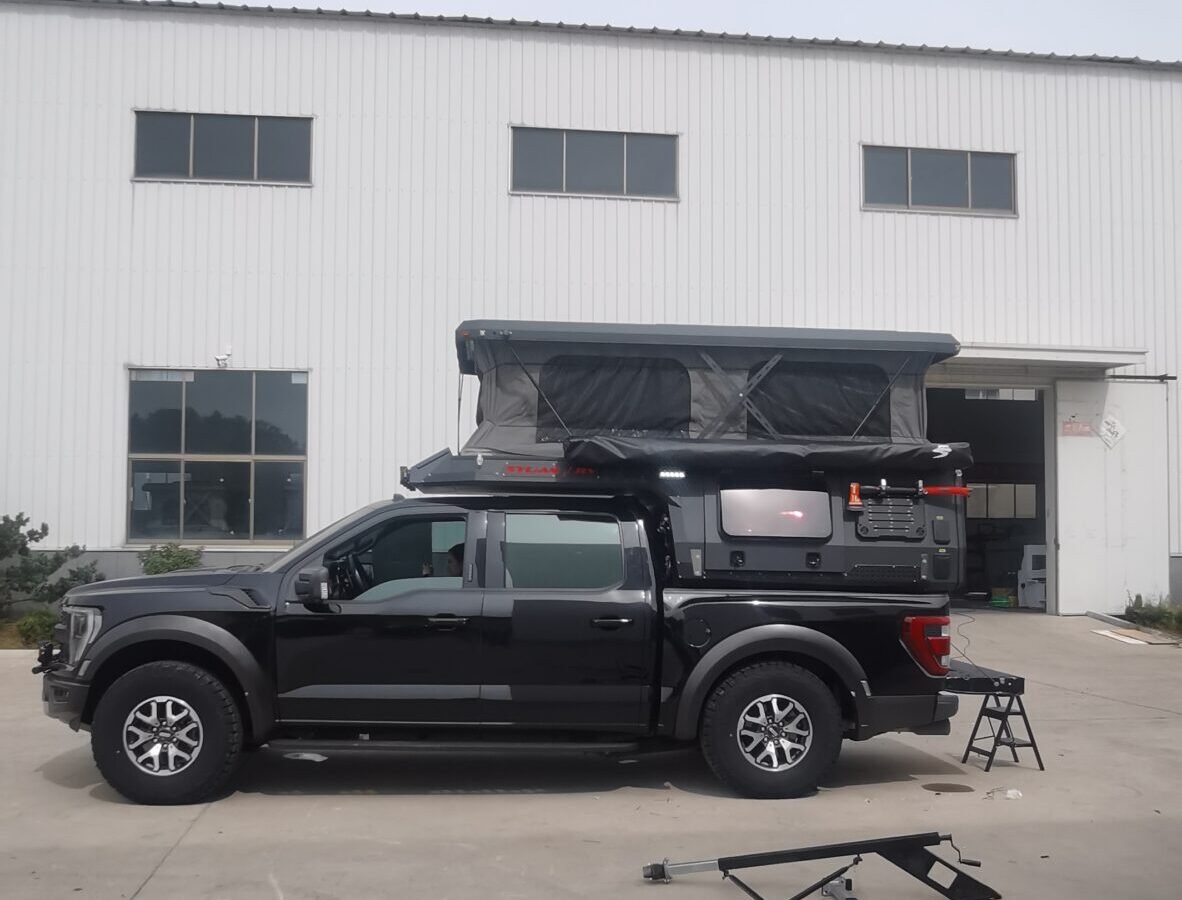
Truck campers have revolutionized the way outdoor enthusiasts experience travel and adventure, offering unparalleled mobility, convenience, and comfort. As the fusion of rugged off-road capability and the comforts of a compact living space, truck campers provide an ideal solution for those seeking freedom on the road without sacrificing amenities.
In this comprehensive guide, we will explore everything you need to know about truck campers, including their design, types, benefits, customization options, and maintenance. Whether you are a seasoned camper or a novice intrigued by the idea of mobile living, understanding the fundamentals of truck campers will empower you to make informed decisions tailored to your needs.
What Is a Truck Camper?
A truck camper is a specially designed living unit that fits into the bed of a pickup truck, transforming a standard vehicle into a versatile mobile home. Unlike traditional RVs or trailers, truck campers are mounted directly onto the truck chassis, providing enhanced maneuverability and access to remote locations. This integration makes them highly favored among adventurers who prioritize flexibility and off-road capability.
Typically, a truck camper will include essentials such as sleeping quarters, a compact kitchen, dining area, bathroom facilities, and storage space. The design emphasizes maximizing space efficiency, enabling occupants to live comfortably within a limited footprint.
The Evolution of Truck Campers
The concept of truck campers dates back several decades, evolving alongside advancements in automotive technology and outdoor recreation trends. Initially simple bed-mounted tents or basic shelters, truck campers have progressively incorporated sophisticated materials, ergonomic designs, and modern amenities.
Manufacturers continuously innovate to meet the diverse demands of consumers, offering options ranging from lightweight, minimalist models aimed at solo travelers to luxurious units equipped with solar panels, hydraulic lift systems, and integrated entertainment centers. This evolution signifies the growing popularity and acceptance of truck campers as a mainstream choice for mobile living and exploration.
Types of Truck Campers
Understanding the different types of truck campers is crucial for selecting the right model that aligns with your lifestyle and vehicle. Below are the most common classifications:
Pop-Up Truck Campers
Pop-up truck campers feature a collapsible roof or upper section that expands when parked and contracts during transit. This design reduces aerodynamic drag and height restrictions while driving. When set up, the pop-up section often provides additional sleeping or living space, enhancing comfort.
Hard-Side Truck Campers
Hard-side truck campers offer solid, insulated walls that provide better protection against weather and noise. These models are typically heavier but deliver improved durability and thermal efficiency, making them suitable for year-round use.
Slide-In Truck Campers
Slide-in campers are designed to fit snugly into the pickup bed and can be easily slid out or detached when not in use. This flexibility allows the truck to be used independently when the camper is not needed. Slide-in models vary in size and features, catering to both minimalist and luxurious preferences.
Teardrop Truck Campers
Teardrop campers are compact units with a distinctive streamlined shape resembling a teardrop. While traditionally designed as trailers, some manufacturers create variations that fit directly onto trucks. Their aerodynamic form improves fuel efficiency, and they often cater to couples or solo travelers prioritizing lightweight and efficiency.
Benefits of Truck Campers
Choosing a truck camper over other types of recreational vehicles comes with numerous advantages:
Maneuverability and Off-Road Capability
Since truck campers are mounted on pickup trucks, they offer superior maneuverability compared to larger RVs or trailers. This attribute is vital for outdoor enthusiasts who navigate rough terrains, narrow trails, or remote campsites inaccessible to conventional motorhomes.
Versatility
The ability to detach a camper unit allows your truck to function as a regular vehicle when not traveling. This dual-purpose utility is cost-effective and practical for individuals who need reliable transportation in daily life as well as recreational use.
Compact Living with Full Amenities
Despite occupying limited space, modern truck campers incorporate ingenious design elements enabling comprehensive living facilities. Kitchens, bathrooms, sleeping quarters, and storage solutions are carefully integrated, ensuring that occupants do not compromise on comfort.
Cost Efficiency
Truck campers generally cost less upfront and incur lower maintenance expenses than larger motorhomes or fifth-wheel trailers. Their smaller size consumes less fuel, which contributes to savings over long-distance travels.
Environmental Impact
The compact size and better fuel economy contribute to a reduced carbon footprint. Additionally, many manufacturers offer eco-friendly features such as solar panels and energy-efficient appliances that support sustainable travel practices.
Customizing Your Truck Camper
One of the biggest advantages of truck campers is the ability to tailor the design according to individual preferences and the specific pickup truck model. Custom builds provide opportunities for personalization in the following areas:
Layout and Space Optimization
Space is limited in truck campers, so custom designs focus on multifunctional areas, foldable furniture, and optimized storage. By analyzing your travel habits and needs, the layout can be adapted to prioritize particular functionalities.
Material Selection
Choosing durable, lightweight materials such as fiberglass, aluminum, or composite panels enhances the camper’s longevity while minimizing added weight. Insulation materials vary depending on climate considerations and intended usage.
Technology Integration
Incorporating modern technology enhances convenience and safety. Custom options include advanced GPS systems, solar energy setups, LED lighting, built-in Wi-Fi, and smart climate control systems.
Exterior Design and Features
Customization extends to exterior finishes, paint options, or even the addition of equipment racks, awnings, and storage compartments. Some outdoor enthusiasts equip their campers with bike racks, roof tents, or off-road jacks for versatile adventure possibilities.
Choosing the Right Pickup for Your Camper
The performance and compatibility of a truck camper depend heavily on the host vehicle. It is essential to match the camper’s weight and size to the pickup truck’s payload capacity to ensure safety and optimal driveability.
Popular pickups for truck campers include models from Toyota, Ford, Chevrolet, Ram, and Nissan, each offering various payload capacities and off-road features. Factors to consider when selecting a truck include:
- Payload capacity and GVWR (Gross Vehicle Weight Rating)
- Bed size and configuration (short bed vs. long bed)
- Drive train options for terrain adaptability
- Fuel efficiency and maintenance considerations
- Compatibility with specific camper models or custom builds
Essential Features to Look for in a Truck Camper
When exploring truck campers, paying attention to key features can improve your living experience and ease of use:
Sleeping Arrangements
Consider the size and comfort of beds, whether fixed or convertible. Many truck campers feature a cab-over bed that maximizes use of vertical space.
Kitchen Facilities
Look for compact yet functional kitchens with stove burners, sinks, refrigerators, and storage for utensils and provisions.
Bathroom Solutions
Integrated bathrooms may range from portable toilets to fully equipped wet baths with showers. The choice depends on your travel style and local facilities.
Climate Control
Heating and cooling options, including air conditioning, propane heaters, or insulation quality, contribute significantly to the camper’s livability across seasons.
Power Systems
Reliable power sources are essential. Options typically include shore power connections, batteries, solar panels, and generators to sustain appliances and electronics.
Maintenance and Care of Truck Campers
Proper maintenance ensures longevity and reliability of your truck camper. Key practices include:
- Regular inspection of mounting hardware and seals to prevent leaks
- Cleaning and protective coatings for exterior surfaces
- Servicing onboard appliances and power systems
- Checking plumbing and waste management components
- Maintaining the truck’s mechanical and safety systems for load-bearing conditions
Popular Brands and Manufacturers
The market for truck campers is diverse, with reputable manufacturers providing a range of models suited for different budgets and preferences. Notable brands you might consider include:
- Bigfoot
- Lance Campers
- Host Industries
- Northstar Campers
- Palomino
- Truck Camper Adventure
In addition, numerous specialized companies provide custom fabrication services, enabling a tailored build aligned precisely with your truck and travel goals.
Planning Your Adventure with a Truck Camper
Owning a truck camper opens up vast possibilities for travel and exploration. Before hitting the road, consider these planning tips:
- Route and campsite research focusing on truck-accessible locations
- Preparation for seasonal weather variations and terrain challenges
- Packing efficient supplies and tools, balancing essentials and space limitations
- Emergency preparedness including first-aid kits and recovery gear
- Connectivity and navigation tools for safety and convenience
The Future of Truck Campers
Looking ahead, truck campers are poised to incorporate cutting-edge technologies such as lightweight composites, renewable energy solutions, and smart home integrations. The trend towards sustainable and autonomous travel is likely to influence design philosophies, promoting eco-friendly materials and automated safety features.
Community-driven innovations and feedback loops between manufacturers and users continue to evolve the truck camper industry, ensuring adaptability and relevance in a rapidly changing travel landscape.
Conclusion
Truck campers represent a dynamic and versatile option for those passionate about travel, adventure, and freedom. By combining the portability of pickup trucks with compact yet comprehensive living quarters, they deliver a unique lifestyle experience unmatched by traditional RVs or trailers.
Whether you opt for a ready-made model or commission a custom build, understanding the intricacies of truck campers—from types and features to maintenance and planning—is essential for maximizing enjoyment and safety. Today’s manufacturers and technology advancements continually expand the horizons of what truck campers can offer.
Embrace the journey with a truck camper, and unlock new dimensions of exploration with comfort and confidence.