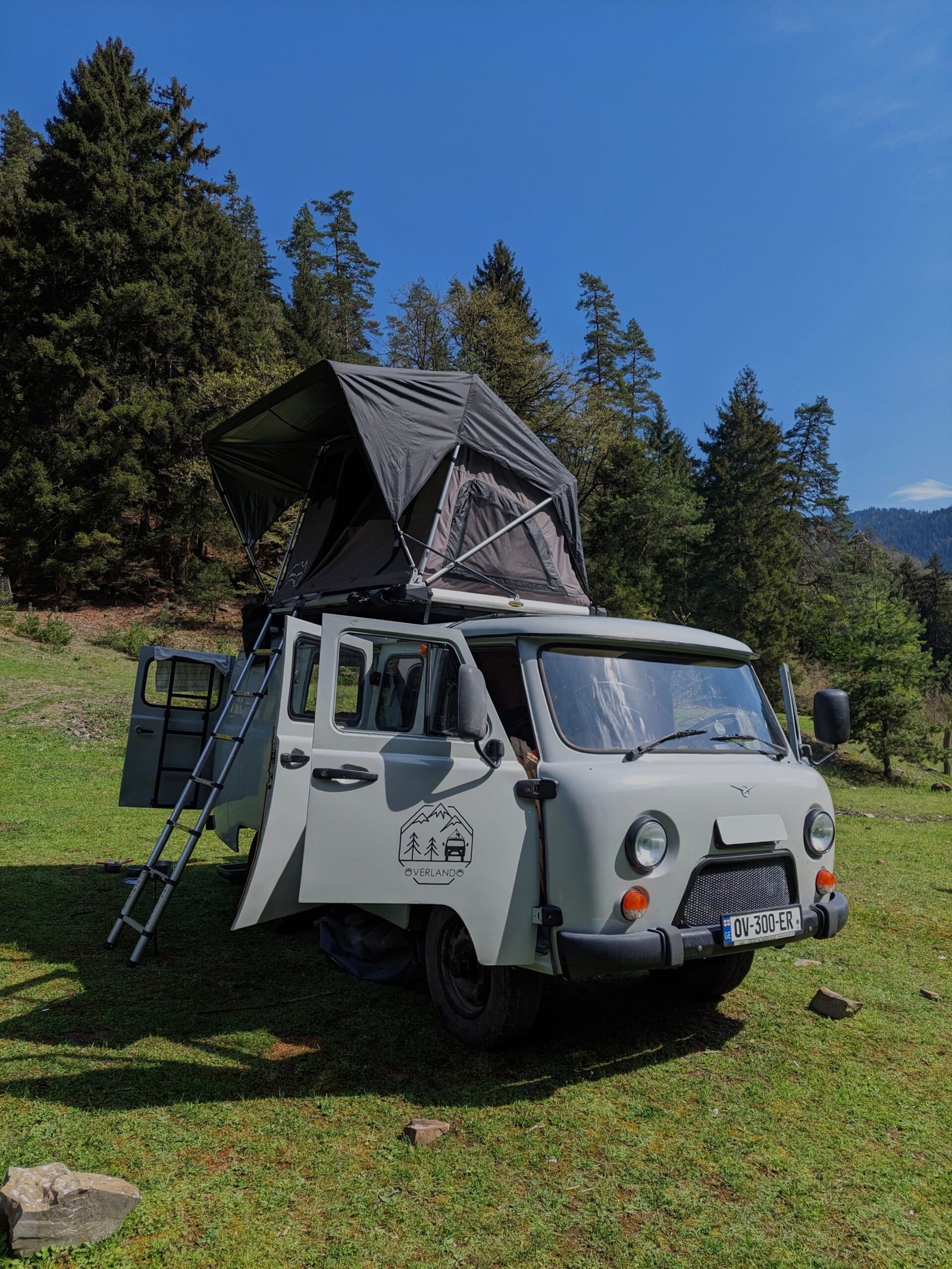
Truck campers have revolutionized the way outdoor enthusiasts experience adventure, bringing an unprecedented level of mobility, comfort, and convenience directly to the back of your pickup truck. Whether you are a seasoned traveler or a weekend warrior, a truck camper offers flexibility that traditional RVs or tents simply cannot match.
In this comprehensive guide, we will explore everything you need to know about truck campers—from what they are and why they are gaining popularity, to various types, key features, customization options, maintenance tips, and how they can transform your exploration experiences.
What Is a Truck Camper?
A truck camper is a compact, self-contained living unit designed to be loaded onto and off of the back of a pickup truck. Unlike a travel trailer or a motorhome, truck campers combine the mobility of a standard pickup with the amenities of a small RV, creating a hybrid experience that’s tailor-made for flexibility.
These campers typically include sleeping quarters, basic kitchen facilities, a compact dining area, and sometimes bathroom features, all ingeniously fitted within a lightweight yet durable structure. The camper sits either directly on the truck bed or mounted via tie-downs and jacks allowing easy removal for daily vehicle use.
Why Choose a Truck Camper?
Truck campers offer numerous advantages that appeal to a broad spectrum of users:
- Versatility: Because the camper is removable, your pickup truck remains fully functional for work or daily driving when the camper is not in use.
- Maneuverability and Access: Smaller than full-sized RVs, truck campers can navigate tight roads, narrow trails, and remote camping sites that larger vehicles can’t reach.
- Cost-Effectiveness: Truck campers generally cost less to buy and maintain compared to motorhomes or full travel trailers.
- Fuel Efficiency: Taking off the camper significantly reduces aerodynamic drag and weight, improving fuel economy when driving the truck alone.
- Compact Footprint: The camper’s compact design makes parking, storing, and towing simpler and less cumbersome.
Types of Truck Campers
Understanding the various types of truck campers available can help you select the best match for your needs:
1. Slide-In Campers
Also called cab-over or standard truck campers, slide-in campers are designed to slide directly into the bed of the pickup. This category is the most common, offering a variety of layouts from basic to luxurious. They often feature an over-cab sleeping area and are ideal for light to medium-duty trucks.
2. Pop-Up Truck Campers
Pop-up truck campers have a roof that can be raised or lowered, reducing the overall height when driving and storage. When expanded, the increased headroom provides comfort without compromising compactness. These are beneficial for off-road capabilities and driving under low clearance obstacles.
3. Hard-Side Truck Campers
Featuring rigid walls and insulation suitable for all seasons, hard-side campers provide better protection from elements, increased security, and better temperature control compared to pop-ups. They tend to be heavier and may require stronger truck beds and suspension.
4. Flatbed Truck Campers
Designed for trucks with flatbeds instead of standard pickup beds, these campers use the bed space efficiently and usually include slide-out sections and heavier amenities. Flatbed campers are commonly used in commercial pickup applications but are becoming popular in recreational markets as well.
Key Features of Modern Truck Campers
Modern truck campers boast a variety of features designed to maximize space and comfort, including:
- Sleeping Areas: Compact beds, often in an over-cab sleeping alcove or convertible dinette, provide restful overnight options.
- Kitchenettes: Equipped with compact stoves, refrigerators, microwaves, and sinks for basic meal preparation.
- Bathroom Facilities: Some models include wet baths or cassette toilets, and others offer portable options outside the camper.
- Climate Control: Insulation, heaters, and air conditioners help maintain comfortable temperatures regardless of weather conditions.
- Utility Systems: Freshwater tanks, grey water storage, propane systems, and electrical hookups support off-grid living.
- Storage Solutions: Clever cabinetry, under-bed storage, and external compartments optimize space usage.
- Entertainment Options: Televisions, stereo systems, satellite hookups, and Wi-Fi boosters can keep you connected and entertained.
Customization and Build Options
One of the most exciting aspects of truck campers is their customization potential. Leading manufacturers and specialist workshops can tailor camper boxes to fit your specific pickup model and personal preferences. Customizations might include:
- Floor Plan Layouts: Adjusting the location and size of kitchen, sleeping, and bathroom spaces.
- Material Choices: Options for lightweight materials such as aluminum or fiberglass enhance durability and ease of handling.
- Exterior Finishes: Choices of colors, finishes, and decals to match your style.
- Solar Power Integration: Adding solar panels and battery systems for extended off-grid capability.
- Upgraded Appliances: Installing high-end cooking or refrigeration units for gourmet experiences.
- Accessibility Features: Modifications to improve access and usability for seniors or individuals with disabilities.
How to Choose the Right Truck Camper
Selecting the ideal truck camper involves considering several important factors:
- Truck Compatibility: Ensure your pickup truck has sufficient payload, bed size, and suspension to safely carry the camper’s weight.
- Usage Patterns: Assess whether you’ll be camping mostly in fair-weather environments or require a four-season camper.
- Availability of Amenities: Decide which amenities are essential versus optional to balance comfort with weight and cost.
- Storage and Transport: Determine where you will store the camper when not in use and how often you plan to mount or remove it.
- Budget: Establish a realistic budget for purchase, customization, and maintenance.
- Off-Road vs On-Road Use: If you intend to explore rugged terrain, look for reinforced frames, off-road tires, and additional ground clearance.
Maintaining Your Truck Camper
Proper maintenance is key to ensuring the longevity and reliability of your truck camper. Here are essential maintenance tips:
- Inspect the Roof and Seals: Regularly check for cracks, leaks, or damage in seals and roof materials, repairing promptly to prevent water intrusion.
- Clean and Lubricate Jacks and Tie-Downs: Keep mounting hardware in good condition to facilitate safe and easy removal and installation.
- Check Plumbing and Electrical Systems: Inspect freshwater, greywater, and propane lines for leaks and test electrical connections frequently.
- Protect from Harsh Weather: Use quality covers or store indoors to protect the camper from sun damage, rain, and snow.
- Service Appliances: Maintain stoves, refrigerators, and heating units per manufacturer guidelines.
- Test Safety Devices: Regularly test smoke detectors, carbon monoxide detectors, and fire extinguishers.
Popular Uses for Truck Campers
Truck campers are incredibly versatile and can be adapted for many uses beyond traditional camping:
- Weekend Getaways and Road Trips: Ideal for spontaneous travel without the need to book hotels or campsites in advance.
- Remote Workstations: With Wi-Fi and power options, truck campers can serve as mobile offices for digital nomads and remote workers.
- Hunting and Fishing Expeditions: Access remote locations with comfort and convenience.
- Emergency and Disaster Relief: Serve as mobile command centers or temporary accommodations.
- Festival and Event Accommodation: Provide onsite lodging during music festivals, fairs, and sports events.
- Mobile Food or Retail Units: Some designs are adaptable for food trailers or pop-up shops.
Environmental Impact and Sustainability
Many modern truck campers incorporate environmentally responsible designs, minimizing carbon footprints through:
- Solar panels and renewable energy systems
- Eco-friendly materials and insulation during construction
- Low-consumption appliances and LED lighting
- Water-saving fixtures and waste management systems
Using a truck camper also encourages the use of existing vehicles rather than purchasing large motorhomes, thus potentially reducing the number of vehicles on the road.
Conclusion
Truck campers represent a dynamic and practical solution for adventurers seeking a blend of mobility, comfort, and independence. Their compact size, customization options, and adaptability to a wide range of pickup models make them a favorite among outdoor enthusiasts worldwide.
By understanding the types available, carefully considering your needs, and maintaining your camper diligently, you can unlock countless unforgettable experiences in the great outdoors. Investing in a quality truck camper and outfitting it to your preferences will open new horizons for exploration that fit seamlessly into your lifestyle.
Whether it’s a weekend escape into nature or an extended road trip across varying terrains, a truck camper brings the comforts of home wherever your journey leads.