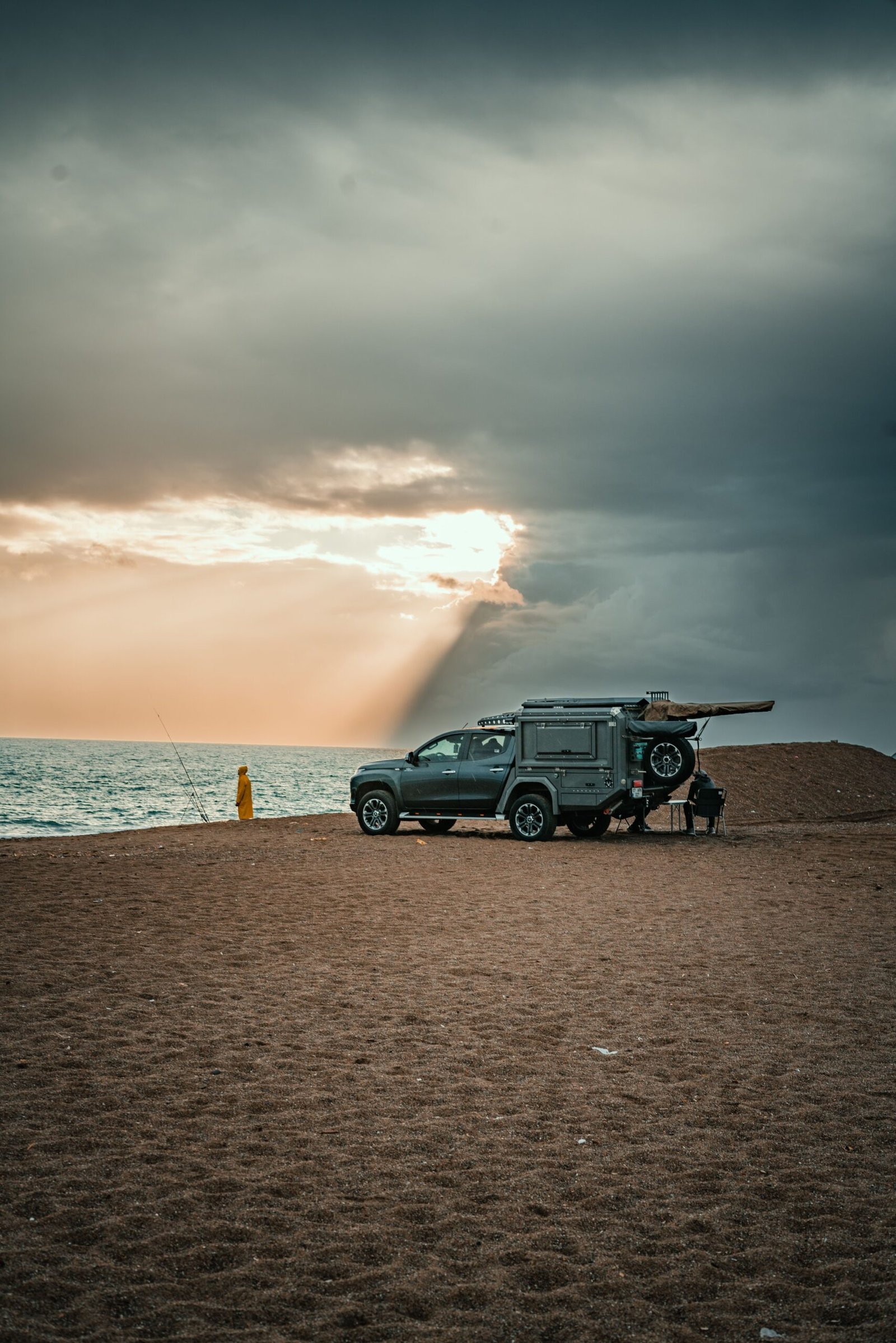
Truck campers have become an increasingly popular choice for adventure enthusiasts and travel lovers seeking freedom on the open road. Combining the ruggedness of a pickup truck with the comfort and convenience of a mobile living space, truck campers offer a unique way to explore remote locations without sacrificing the comforts of home. This detailed article explores the world of truck campers, their advantages, customization options, and tips for selecting the perfect model based on your travel needs.
What Is a Truck Camper?
A truck camper is a portable living unit built to fit into the bed of a pickup truck. Unlike traditional RVs or motorhomes, truck campers are detachable, enabling the truck to be used independently. They provide sleeping spaces, kitchenette facilities, and other basic amenities needed for comfortable travel. This versatility appeals to outdoor enthusiasts who want to venture into off-road or hard-to-reach destinations, taking advantage of the mobility and size benefits.
Core Components and Features of Truck Campers
Truck campers are equipped with features designed to maximize space and utility while maintaining comfort. These include:
- Sleeping Areas: Usually elevated over the truck cab, these spaces can accommodate two or more people, often incorporating convertible beds or bunks.
- Kitchenettes: Compact cooking areas typically consisting of a stove, sink, refrigerator, and storage for food and utensils.
- Bathroom Facilities: Depending on the model, some campers include wet baths or portable toilets, though many rely on external campground facilities.
- Storage: Efficient storage compartments both inside and beneath the camper allow travelers to carry gear, clothes, and essentials.
- Climate Control: Heating and ventilation systems help keep the interior comfortable in varying weather conditions.
Advantages of Choosing a Truck Camper
Truck campers provide several benefits over other styles of RVs or mobile homes:
- Compact Size and Maneuverability: Because they are mounted on trucks, these campers can access narrow roads, tight parking spots, and off-road trails that are difficult for larger RVs.
- Detachable Convenience: The ability to detach the camper from the truck allows the vehicle to be used separately for everyday driving or errands without hauling a cumbersome trailer.
- Cost-Effectiveness: Truck campers are generally more affordable than larger motorhomes, both in purchase price and maintenance costs.
- Fuel Efficiency: Smaller and lighter than most RVs, the combination of truck and camper typically results in better fuel economy.
- Customization Potential: Many manufacturers offer modular options and custom builds tailored to specific trucks and personal preferences.
Customizing Your Truck Camper
Modern truck campers can be extensively customized to meet unique adventure and lifestyle needs. Custom build options may include:
- Size Adaptation: Camper boxes can be tailored to fit different pickup models, optimizing interior space based on truck bed dimensions.
- Interior Layouts: Configurations can include split-level beds, elevated seating, or slide-out sections to increase living space.
- Material Choices: Lightweight yet durable materials such as aluminum or composite panels ensure resilience while keeping weight manageable.
- Off-Grid Features: Options such as solar panels, lithium batteries, water tanks, and composting toilets support extended stays in remote areas.
- Exterior Modifications: Add-ons like awnings, roof racks, or all-terrain tires improve functionality and utility outdoors.
Choosing the Right Truck Camper for Your Needs
Selecting a truck camper involves several considerations to ensure you get the best fit for your travel plans:
- Truck Compatibility: Confirm the camper’s size and weight compatibility with your pickup truck’s payload capacity and bed dimensions.
- Intended Usage: For frequent off-roading, prioritize rugged construction and lightweight materials. For family travel, look for larger sleeping and living quarters.
- Budget Constraints: Factor both purchase price and ongoing maintenance costs when making your choice.
- Comfort Expectations: Decide on necessary amenities such as heating, refrigeration, or bathroom facilities according to your travel style.
- Customization Level: Determine if a custom-built camper is worthwhile for your needs or if a standard model suffices.
Popular Truck Camper Types and Models
The market offers a variety of truck camper styles, each catering to different use cases:
- Slide-In Campers: Traditional models that slide into the truck bed, often equipped with pop-up roofs for extra headroom.
- Hard-Shell Campers: More durable and aerodynamic with solid molded exteriors offering better insulation.
- Pop-Up Campers: Lightweight with collapsible roofs that reduce weight and wind resistance.
- Expedition Campers: Built for extended off-grid travel featuring reinforced suspension and heavy-duty components.
Maintenance and Longevity of Truck Campers
To maintain your truck camper in optimal condition, consider these maintenance practices:
- Regular Cleaning: Keep both interior and exterior clean to prevent material degradation and mildew.
- Inspect Seals and Roofs: Check frequently for leaks or damage to ensure weatherproof integrity.
- Battery and Electrical Checkups: Maintain power systems to prevent failures during travel.
- Tire and Suspension Maintenance: Ensure that both truck and camper suspensions and tires are suitable for the added weight and terrain.
- Seasonal Storage: Store your camper in a dry, sheltered location during off-season periods.
Truck Campers and Sustainable Travel
With increasing awareness about sustainable travel, many truck camper manufacturers incorporate eco-friendly features. Solar charging systems, energy-efficient lighting, and gray water recycling help reduce environmental impact while enabling extended stays in nature with minimal footprint. This trend aligns perfectly with the adventuring spirit of truck camper owners who value both exploration and conservation.
Planning Your First Trip with a Truck Camper
Preparing for your initial truck camper excursion can be exciting but requires thoughtful planning:
- Route Selection: Choose journeys suitable for your vehicle’s capabilities and camping preferences.
- Practice Packing: Balance essentials like clothing, food, and gear while avoiding overloading.
- Familiarize With Camper Systems: Learn operating basics for water, electricity, and propane to ensure smooth usage during your trip.
- Safety Checks: Conduct thorough mechanical inspections on your truck and camper before departure.
- Emergency Preparedness: Carry appropriate emergency kits and communication devices, especially for remote locations.
Conclusion
Truck campers offer an ideal blend of mobility, comfort, and adaptability that appeals to a wide range of travelers—from solo adventurers to families seeking compact, versatile travel solutions. With the ability to customize camper boxes tailored to various pickup models and personal preferences, truck campers continue to redefine outdoor exploration. Whether you prefer short weekend getaways or extensive off-grid journeys, a truck camper empowers you to create memorable travel experiences anywhere the road—or trail—may lead.