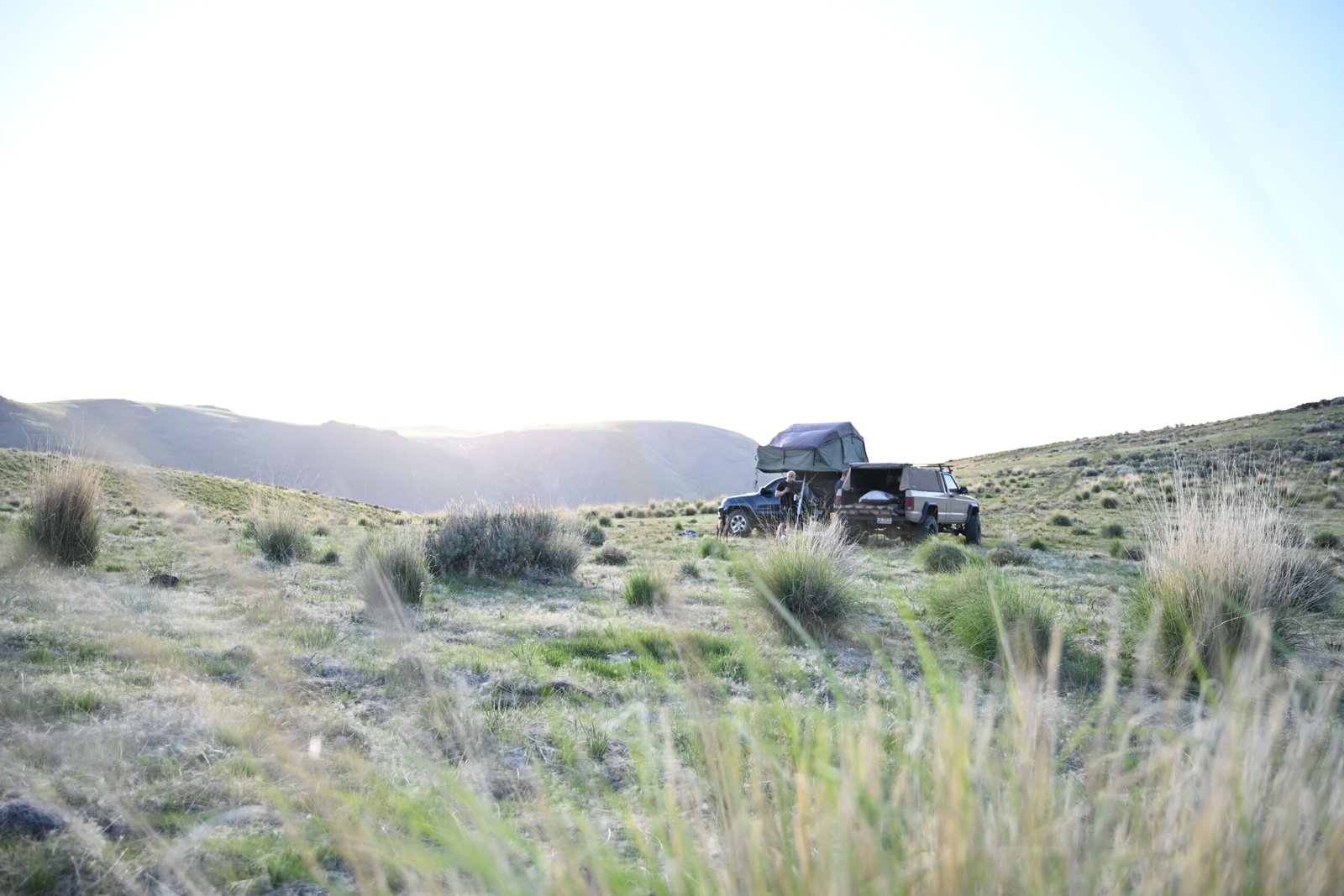
Truck campers have revolutionized the way outdoor enthusiasts experience travel and adventure, combining the ruggedness of a truck with the convenience and comfort of a mobile living space. Designed to fit securely onto the bed of a pickup truck, these versatile camper units allow for unparalleled mobility, off-road capability, and self-sufficiency, making them an ideal choice for both weekend warriors and full-time nomads. In this comprehensive article, we delve deep into the world of truck campers – exploring their design, benefits, types, purchasing considerations, customization options, maintenance tips, and much more.
Understanding Truck Campers
At its core, a truck camper is a self-contained unit that mounts into the bed of a pickup truck. Unlike traditional RVs or trailers, truck campers leverage the inherent power and maneuverability of the truck chassis while providing living quarters that include sleeping areas, kitchens, bathrooms, and storage. This hybrid nature enables adventurers to access remote locations that are often unreachable by larger recreational vehicles.
Truck campers are typically constructed with lightweight yet durable materials such as aluminum frames, fiberglass exteriors, and insulated walls to withstand various weather conditions. The compact footprint allows for easy driving and parking, while the modular designs ensure a balance between comfort and practicality. Many models also incorporate expandable sections or pop-up roofs to maximize interior space without compromising on payload capacity.
Why Choose a Truck Camper?
The popularity of truck campers has surged in recent years due to several compelling advantages:
- Mobility and Off-Road Capability: Since the camper is mounted directly on a pickup truck, you benefit from the vehicle’s full 4×4 capabilities, allowing you to explore rugged terrain, backcountry roads, and remote campsites with ease.
- Compact and Easy to Park: Unlike bulky motorhomes or trailers, truck campers fit within the length of your truck making them easier to maneuver and park, especially in urban settings or congested campgrounds.
- Cost-Effectiveness: Truck campers generally cost less to purchase and maintain compared to larger RVs. They also tend to have better fuel efficiency because you can detach the camper and use your truck independently.
- Versatility: The removable nature of the camper means your vehicle can serve multiple purposes, from daily driving and work to camping adventures.
Types of Truck Campers
Choosing the right truck camper depends largely on your lifestyle, vehicle, and the type of adventures you envision. Here are some common categories:
Conventional Truck Campers: Traditional models slide in and out of the truck bed with the help of jacks or lifts. They typically feature a standard design with a cab-over sleeping area and basic amenities.
Pop-Up or Slide-Out Campers: These campers feature sections that can be collapsed or folded down for transport and then expanded at the campsite to increase living space. Pop-ups improve fuel efficiency and overall driving safety due to a lower profile.
Teardrop Truck Campers: Compact and lightweight, teardrop campers provide sleeping accommodations and sometimes a rear galley kitchen. They are ideal for those who want minimalistic camping without sacrificing comfort.
Hard-Sided Truck Campers: Offering the best insulation and security, these campers have solid walls and roofs that provide year-round usability and protection against harsh elements.
Key Features and Amenities to Consider
Modern truck campers are equipped with a variety of features designed to maximize comfort and functionality while keeping weight manageable. When scouting for your perfect camper, consider the following aspects:
- Sleeping Capacity: Depending on your travel party, campers offer different sleeping arrangements – from cozy beds for two to layouts accommodating four or more.
- Kitchen Facilities: Many campers include compact kitchens with sinks, propane stoves, refrigerators, and storage for cooking utensils and food.
- Bathroom Options: Some models offer full bathrooms with showers and toilets, while others provide portable or cassette toilets and exterior showers to save space.
- Heating and Cooling Systems: For all-season comfort, look for models with built-in heaters, air conditioning units, or passive ventilation systems.
- Storage Solutions: Clever storage compartments maximize space for gear, clothing, and essentials without cluttering the living area.
- Power and Water Supply: Many campers come equipped with freshwater tanks, gray water storage, solar panels, and battery banks to support off-grid living.
How to Select the Right Truck Camper for Your Pickup
Compatibility is critical when selecting a truck camper. Not every camper fits every truck model, and exceeding the truck’s payload capacity can be hazardous. Here’s how to make an informed decision:
- Know Your Truck’s Specifications: Check the manufacturer’s recommended payload capacity, which includes the weight of the camper, passengers, cargo, and fuel.
- Choose a Camper that Matches the Payload: Weigh the camper fully furnished and compare it against your truck’s limits to ensure safety and compliance.
- Consider Truck Bed Size: Campers are made to fit short, standard, or long beds. Measure your truck bed length and width before buying.
- Evaluate Suspension Upgrades: For heavier campers, consider upgrading your truck’s springs or adding helper airbags to maintain stability and braking efficiency.
- Consult Dealer or Manufacturer: Work with reputable manufacturers specializing in custom builds for your truck model to ensure a proper fit and warranty coverage.
Customization and Personalization Options
One of the biggest draws of truck campers is the opportunity to tailor them to your unique needs. From floor plans to finishes, customization options abound:
- Interior Layouts: Adjust arrangements to prioritize larger kitchens, workspaces, or cabinetry depending on your preferences.
- Exterior Accessories: Add awnings, roof racks, solar panels, exterior showers, or additional fuel tanks for enhanced functionality.
- Material Choices: Select premium or eco-friendly materials for furniture, countertops, and insulation to improve durability and aesthetics.
- Technology Integration: Incorporate smart systems for lighting, climate control, and entertainment to make your camper feel like a high-tech home on wheels.
Maintaining and Caring for Your Truck Camper
Proper maintenance ensures that your camper remains in peak condition, ready to handle any adventure. Consider the following best practices:
- Regular Inspections: Check roof seals, window seals, and structural joints for leaks or damage, especially after extreme weather or rough travel.
- Clean and Treat Surfaces: Wash exterior surfaces regularly and apply protective wax or coatings to prevent corrosion.
- Monitor Electrical and Plumbing Systems: Test batteries, charge controllers, pumps, and hoses routinely to avoid failures on the road.
- Winterize Appropriately: Drain tanks, insulate pipes, and store the camper in a dry environment during off-season to prevent freezing damage.
- Service Mechanical Components: Maintain slide-outs, lifts, and jacks per manufacturer guidelines to ensure smooth operation.
Popular Brands and Innovations
The truck camper market is competitive and innovative, with numerous manufacturers striving to offer top-quality products tailored for both casual and hardcore users. Brands like Four Wheel Campers, Lance Campers, and Northstar Custom Coachwork have garnered praise for combining ruggedness with comfort. Innovations such as modular interior designs, lightweight carbon fiber roofs, and solar integration continue to raise the bar, making modern truck campers more user-friendly and eco-conscious than ever.
Safety Considerations
Safety is paramount when using truck campers, especially given their combination of vehicle and living space functions:
- Weight Distribution: Proper weight distribution inside the camper prevents instability and enhances handling. Avoid overloading one side or placing heavy items too high.
- Secure Mounting: Ensure mounting hardware and tie-downs are inspected and tightened regularly to prevent camper movement during transit.
- Driving Adjustments: Use caution when braking, accelerating, and turning since the additional weight affects vehicle dynamics.
- Emergency Preparedness: Equip your camper with fire extinguishers, carbon monoxide detectors, and first aid kits.
Environmental Impact and Sustainability
As the outdoor recreational community becomes increasingly aware of its environmental footprint, sustainable truck campers are gaining popularity. Features such as solar power systems, composting toilets, energy-efficient appliances, and recycled materials help reduce resource consumption. Additionally, the inherent fuel efficiency of truck campers compared to larger RVs makes them a greener alternative for eco-conscious travelers.
Conclusion
Truck campers offer a unique blend of freedom, flexibility, and comfort for those who crave exploration without sacrificing convenience. Whether you’re seeking weekend getaways in nearby forests or embarking on months-long cross-country journeys, there’s a truck camper model suited for your needs. By understanding the types, features, and maintenance requirements, you can select and customize a camper that perfectly complements your truck and lifestyle. Investing in a well-built truck camper unlocks countless adventures in remote and pristine locations — truly redefining life on the road.