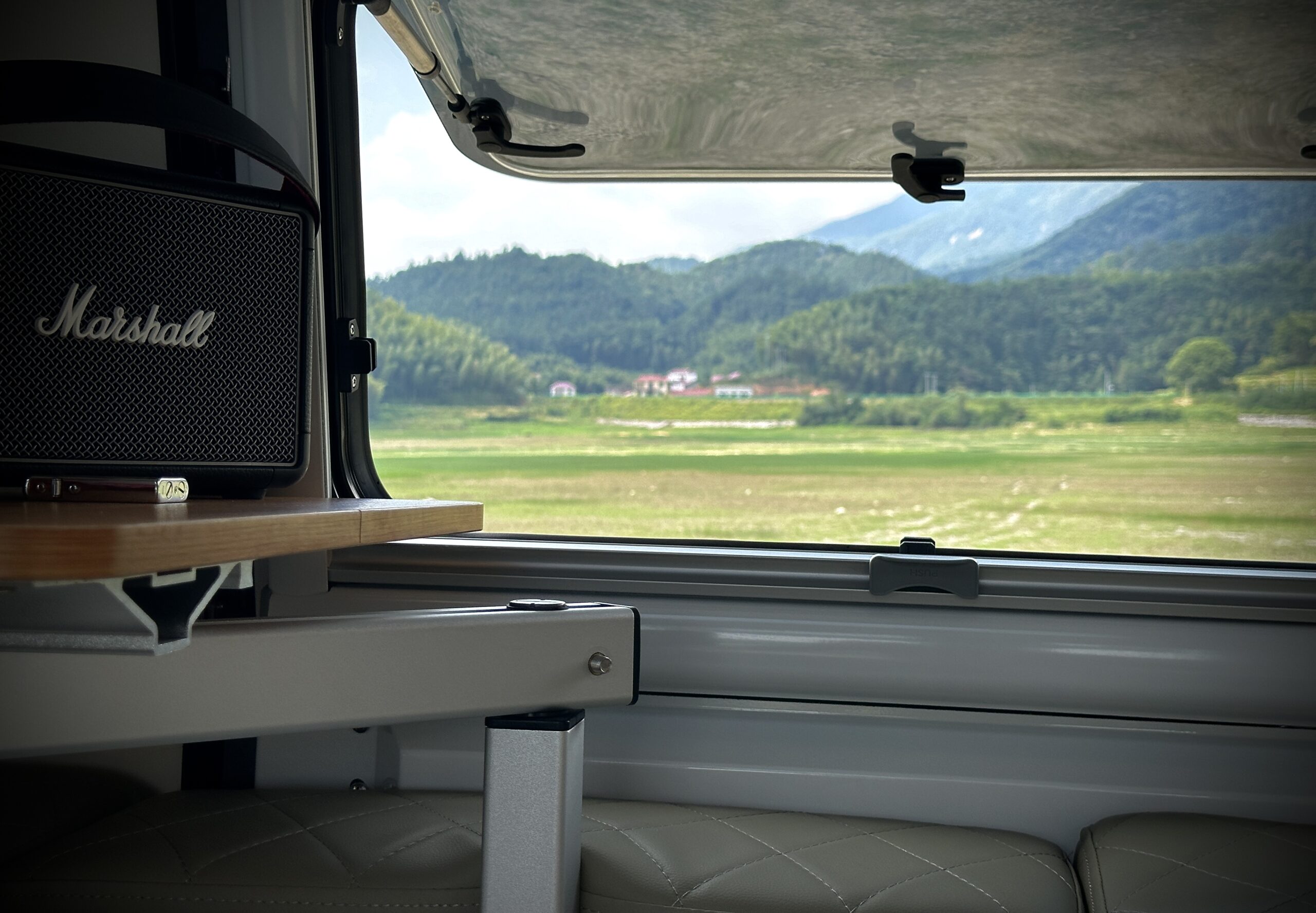
Truck campers have become an increasingly popular choice for outdoor enthusiasts, adventurers, and travelers who crave freedom, flexibility, and the comforts of home while on the road. Combining the rugged capability of a pickup truck with a versatile and compact living space, truck campers offer a unique solution that accommodates both mobility and functionality. In this comprehensive article, we will explore the many aspects of truck campers, including their design, features, types, benefits, considerations when purchasing, customization options, as well as tips for maintenance and travel.
Understanding Truck Campers
A truck camper is a portable living unit designed to be loaded onto the bed of a pickup truck. Unlike traditional RVs or travel trailers, truck campers are compact, lightweight, and highly maneuverable, making them ideal for people who want to explore off-the-beaten-path destinations without sacrificing essential comforts.
Typically, a truck camper consists of a hard-shell or pop-up structure fitted with sleeping quarters, kitchen facilities, storage compartments, and sometimes even bathroom amenities. This design maximizes space efficiency while maintaining durability and weather resistance.
Types of Truck Campers
There are several categories of truck campers available in the market, each catering to different preferences and needs:
- Traditional Hard-Side Campers: These feature solid walls and roofs constructed from strong materials such as fiberglass or aluminum. They provide excellent insulation and security, making them suitable for all-season use.
- Pop-Up Campers: These campers have collapsible roofs or walls that expand when set up, increasing living space while lowering the profile during travel. They are lighter and offer better fuel efficiency but may provide less insulation.
- Expandable or Slide-Out Campers: Incorporate sections that slide out or expand to offer more room when parked. These models blend the benefits of space and compactness but often come at a higher price.
- Custom-Built Campers: Tailored to specific truck models or personal preferences, these campers allow for bespoke interior layouts, features, and materials, ensuring the best compatibility and use of space.
Key Features and Amenities
The appeal of truck campers lies in their ability to offer many of the comforts found in larger RVs within a smaller footprint. Depending on the model and customization, typical features include:
- Sleeping Areas: Most campers accommodate between two to four people, with configurations ranging from fixed beds, convertible dinettes, or bunk spaces.
- Kitchenette Facilities: Equipped with compact stoves, refrigerators, sinks, and storage for cooking and food preparation.
- Bathroom Options: While not standard in all truck campers due to size constraints, some models include portable or built-in toilets and showers.
- Climate Control: Heating and air conditioning systems improve comfort during both winter and summer travel.
- Electrical Systems: Battery setups, solar panels, and power inverters provide off-grid energy solutions to power appliances and lighting.
- Water Storage and Plumbing: Freshwater tanks, gray water drainage, and sometimes hot water systems facilitate basic hygiene and cooking needs.
Benefits of Using a Truck Camper
There are numerous advantages to choosing a truck camper over other types of recreational vehicles:
- Maneuverability: Smaller and lighter than RVs and trailers, truck campers allow for easier driving and parking, including urban areas and narrow roads.
- Off-Road Capability: Mounted on a pickup truck, many campers inherit the vehicle’s ruggedness, enabling travel into remote or rugged terrain where larger rigs cannot go.
- Flexibility: Truck campers can be detached, allowing the truck to be used independently for work or daily driving.
- Lower Fuel Consumption: Compared to larger motorhomes, truck campers generally cause less drag and weight, which translates to better fuel efficiency.
- Cost-Effectiveness: They often have a lower purchase price and maintenance cost compared to full-sized RVs.
- Storage and Security: When detached, the camper can be stored securely, reducing risks of vandalism or theft.
Choosing the Right Truck Camper
Deciding on the perfect truck camper involves evaluating several factors to ensure the camper fits your lifestyle, vehicle, and travel goals:
- Truck Compatibility: The camper must be designed for your pickup truck’s make, model, and bed size. Overloading or poor fit can cause damage and safety issues.
- Weight Capacity: Take note of your truck’s payload and gross vehicle weight rating to avoid exceeding limits once the camper and cargo are loaded.
- Intended Use: Identify your primary use cases—whether weekend camping, long-term travel, or off-road exploration—to prioritize features and layout.
- Budget: Establish a budget that accounts not only for the camper itself but also for installation, accessories, and maintenance costs.
- Comfort Needs: Consider the number of occupants, sleeping arrangements, kitchen and bathroom conveniences, and climate control systems you want.
- Customization Potential: Some OEMs and manufacturers offer customizable camper boxes that can be tailored to your specific pickup model and preferences.
Customization and Upgrades
One of the greatest advantages of truck campers is their adaptability. Many manufacturers, including leading Chinese producers specializing in pickup camper boxes, provide the option to custom-build campers tailored to different pickup models. These customized units allow incorporation of specialized storage, off-grid energy setups, durable materials, and innovative space-saving designs.
Popular customizations and upgrades include:
- Solar Power Systems: Installing solar panels and high-capacity batteries to enable extended off-grid living.
- Advanced Insulation: Enhancing thermal insulation to improve comfort and energy efficiency in different climates.
- Off-Road Packages: Reinforced chassis, skid plates, and higher ground clearance to enhance rugged durability.
- Interior Layout Redesign: Optimized use of space through modular or multi-functional furniture.
- High-Tech Gadgets: Inclusion of Wi-Fi boosters, smart lighting, and security cameras.
Maintenance and Care
Proper maintenance is essential to ensure your truck camper remains functional, safe, and aesthetically pleasing over time. Here are some important tips for upkeep:
- Regular Cleaning: Clean both interior and exterior frequently to prevent dirt buildup and corrosion.
- Inspect Structural Components: Check seals, roof panels, and mounts for leaks or damage, especially after harsh weather or long trips.
- Maintain Appliances: Service stoves, refrigerators, water pumps, and heating or cooling systems according to manufacturer recommendations.
- Battery Care: Monitor charge levels, connections, and fluid levels if applicable.
- Tire and Suspension: Inspect tires for wear and suspension for any damage due to extra load.
Planning Your Truck Camper Travel
Traveling with a truck camper opens up numerous possibilities, but it also requires thoughtful planning to maximize enjoyment and safety. Consider these travel tips:
- Route Planning: Choose routes suitable for your truck’s size and capabilities, especially if venturing off-road.
- Weather Awareness: Monitor weather forecasts, as smaller campers can be vulnerable in severe conditions.
- Packing Smart: Balance cargo weight and store items securely to maintain vehicle stability.
- Safety Precautions: Carry emergency tools, vehicle recovery gear, and communicate travel plans to others.
- Campground Research: Identify campgrounds or public lands that accommodate truck campers and offer necessary facilities.
Environmental Considerations
Using a truck camper responsibly includes minimizing environmental impact. Many manufacturers now focus on eco-friendly materials and energy-efficient equipment. Additionally, responsible users should adhere to Leave No Trace principles by managing waste properly, respecting wildlife habitats, and using sustainable resources.
Truck Campers in the Global Market
Manufacturers worldwide, especially in China, have advanced their production capabilities to deliver high-quality, customizable truck camper boxes that fit a variety of pickups. These companies employ skilled craftsmanship, modern technology, and rigorous quality controls to meet international standards. Their product ranges from basic models to luxury units, accommodating diverse markets from casual weekend users to professional expedition enthusiasts.
Chinese factories often combine affordability with customization potential, making their pickup camper boxes a competitive option for global buyers seeking durable, well-equipped mobile living solutions.
Conclusion
Truck campers represent an ideal blend of mobility, comfort, and adventure. Whether you are a weekend warrior looking to escape the city or a seasoned traveler exploring remote locations, a truck camper offers unmatched flexibility and practicality. By understanding the different types, features, and considerations outlined above, you can select or customize a camper box that best complements your pickup truck and lifestyle.
With regular maintenance and thoughtful travel planning, your truck camper can become a reliable companion on many memorable journeys, empowering you to explore with freedom and confidence.