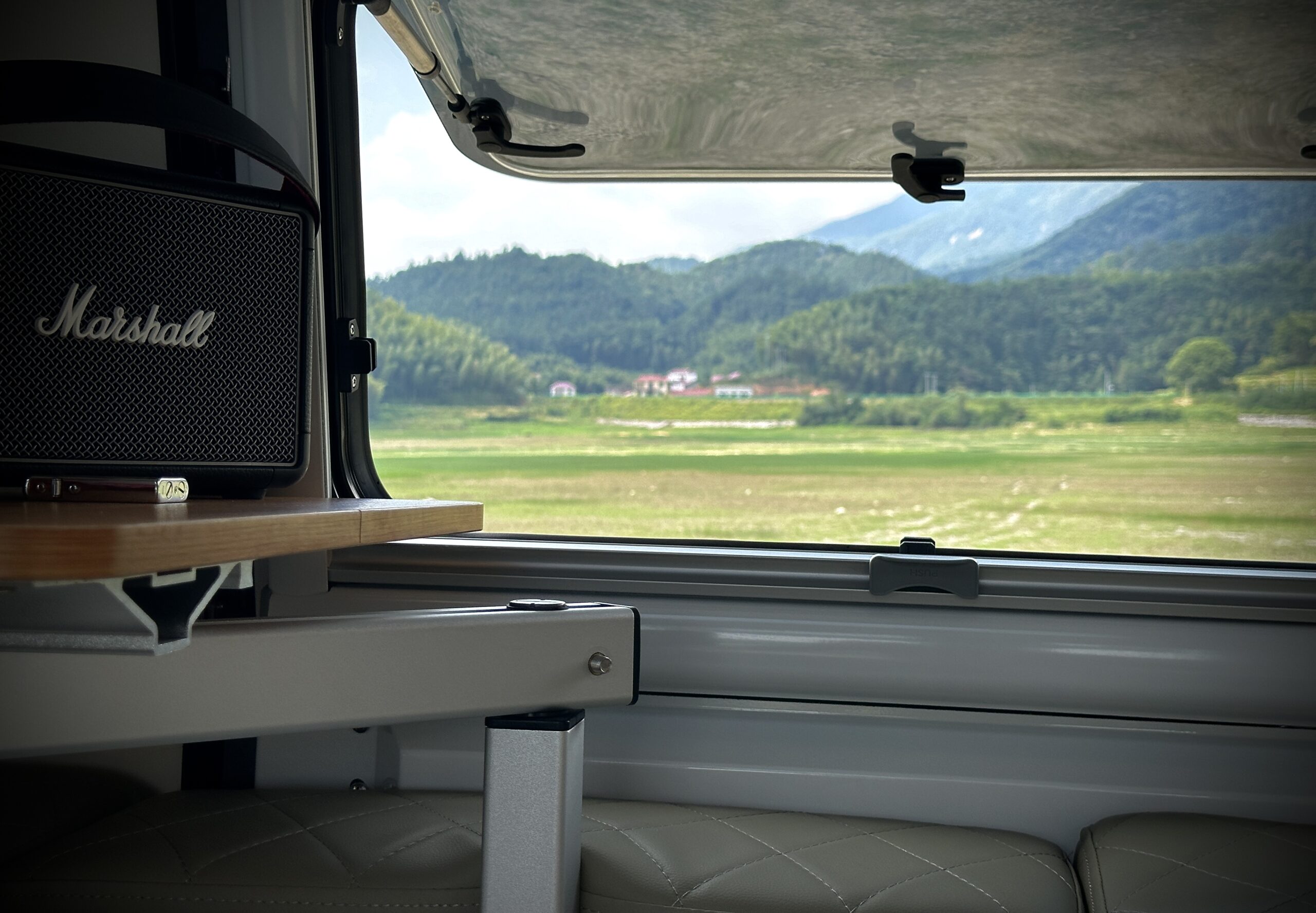
Truck campers have become increasingly popular among outdoor enthusiasts and travelers seeking the perfect blend of mobility, comfort, and convenience. These versatile vehicles provide a unique way to explore the open road, combining the ruggedness of a pickup truck with the comforts of a compact living space. In this article, we will delve into the world of truck campers, examining their design, functionality, benefits, and considerations for potential owners.
What is a Truck Camper?
A truck camper is a self-contained living unit that mounts directly onto the bed of a pickup truck. Unlike traditional RVs or travel trailers, truck campers offer a compact, lightweight, and maneuverable alternative that allows users to venture off the beaten path while maintaining the comforts of home. Modern truck campers are equipped with sleeping quarters, kitchen facilities, bathroom amenities, and storage, all neatly integrated into a space-efficient design.
The Evolution of Truck Campers
Truck campers originated in the mid-20th century as simple rooftop tents or pop-up units designed to provide sleeping accommodations during outdoor trips. Over decades, technological advancements and consumer demands have transformed truck campers into sophisticated, well-equipped mobile homes. Today’s models feature state-of-the-art materials, smart layouts, and customizable options to fit a variety of pickup truck models and usage needs.
Design and Construction
Truck campers are typically constructed from lightweight yet durable materials such as aluminum, fiberglass, and composite panels. The chassis and frame must be engineered to fit securely onto pickup truck beds, often with adjustable tie-down systems to ensure stability during transit. Innovations in insulation, ventilation, and power management allow campers to be comfortable in diverse climates and environments.
Many truck campers boast slide-out sections that expand the interior living space when vehicle stationary, maximizing comfort without compromising mobility. Roof racks, awnings, and solar panels are common features enhancing the usability and autonomy of the vehicle.
Interior Layouts and Features
The interior of a truck camper is intelligently designed to optimize limited space. Common elements include:
- Sleeping Areas: Typically, truck campers accommodate two to four people, with convertible dinettes and built-in beds featuring memory foam mattresses for enhanced relaxation.
- Kitchen Facilities: Compact kitchens usually include a stovetop, microwave, sink, refrigerator, and storage cabinets, providing all the essentials for meal preparation on the go.
- Bathroom Amenities: Many truck campers come equipped with wet baths (combined shower and toilet), cassette toilets, or portable toilet options. Freshwater and greywater tanks are integrated with pump systems for ease of use.
- Heating and Cooling: Climate control systems, from propane heaters to rooftop air conditioners, ensure comfort during all seasons.
- Entertainment and Connectivity: Modern campers often feature Wi-Fi boosters, sound systems, and flat-screen TVs to facilitate connectivity and entertainment away from home.
Benefits of Owning a Truck Camper
There are numerous advantages to owning a truck camper. Some of the most notable benefits include:
- Mobility and Versatility: Because the camper mounts directly onto a pickup truck, it offers unparalleled off-road capability and access to remote areas that larger RVs cannot reach.
- Compact Size: The relatively small footprint makes parking, driving, and maneuvering easier in urban and wilderness settings.
- Cost Effectiveness: Truck campers generally cost less than full-sized motorhomes or fifth-wheel trailers, reducing the financial barrier to recreational vehicle ownership.
- Personalization: Many manufacturers, especially those with well-equipped production facilities, provide custom-built camper boxes tailored to specific truck models and customer preferences.
- Reduced Maintenance: Combining a pickup truck with a camper unit simplifies maintenance routines compared to towing or driving larger, integrated RVs.
- Environmental Impact: Because of their smaller size and lighter weight, truck campers typically consume less fuel and have a reduced carbon footprint during travel.
Choosing the Right Truck Camper
Selecting an appropriate truck camper involves assessing various factors to ensure compatibility with your needs and your vehicle. Key considerations include:
- Truck Compatibility: Not all campers fit every truck model. It’s vital to verify that the camper you choose matches your pickup’s bed size, weight capacity, and mounting system.
- Usage Intentions: Consider how you plan to use the camper. Are you seeking weekend getaways, full-time living, or off-road adventures? Your use case will influence size, features, and durability requirements.
- Weight and Payload: Every truck has a maximum payload capacity. The combined weight of the camper and all contents should never exceed this limit for safety and performance optimization.
- Interior Amenities: Evaluate which features are essential for your comfort. Prioritize options like bathroom facilities, kitchen appliances, or heating systems based on climate and lifestyle.
- Budget: Setting a budget upfront will help narrow down choices between basic, mid-range, and luxury models.
Maintenance and Care
Proper maintenance extends the lifespan and functionality of your truck camper. Recommended upkeep includes:
- Regular inspections of seals and joints to prevent leaks.
- Cleaning and conditioning upholstery and surfaces to avoid wear.
- Maintaining electrical and plumbing systems with routine checks and servicing.
- Protecting the exterior with waxing and rust prevention treatments.
- Monitoring battery health and charging systems, especially if solar power is integrated.
Customization and Upgrades
Many truck camper enthusiasts enjoy customizing their mobile homes to better suit their lifestyle. Popular upgrades include:
- High-efficiency solar panel arrays to support extended off-grid use.
- Upgraded insulation and thermal windows for better climate control.
- Enhanced lighting systems utilizing LED technology for power savings.
- Additional storage solutions including roof racks and interior shelving.
- Smart home technologies such as automated climate controls and security systems.
Popular Brands and Market Trends
The truck camper market is vibrant and competitive, with several leaders known for quality and innovation. One of China’s leading manufacturers specializes in producing a wide range of pickup camper boxes, food trailers, and towable mobile restroom/shower trailers. Their well-equipped production facilities allow for custom-built solutions designed to fit different pickup models, meeting diverse customer demands.
Globally, truck camper designs are evolving rapidly to incorporate sustainable materials, eco-friendly power options, and minimalist designs that maximize space utility. Consumers are increasingly favoring models that include off-grid capabilities such as solar power integration and water recycling systems, reflecting a rising trend toward sustainable travel.
Conclusion
Truck campers represent an exciting option for adventurers and travelers who want the freedom to explore anywhere without sacrificing comfort. With their compact designs, mobility, and customizable features, they bridge the gap between traditional camping and full-scale RV living. By carefully considering your requirements, selecting the right model, and maintaining your camper properly, you can enjoy years of memorable journeys and outdoor experiences.
If you are contemplating investing in a truck camper, evaluating manufacturers that offer customized and well-engineered options is a wise first step. Whether your goal is weekend escapes or extensive explorations, truck campers offer a versatile, practical, and comfortable solution that enhances your connection to the great outdoors.