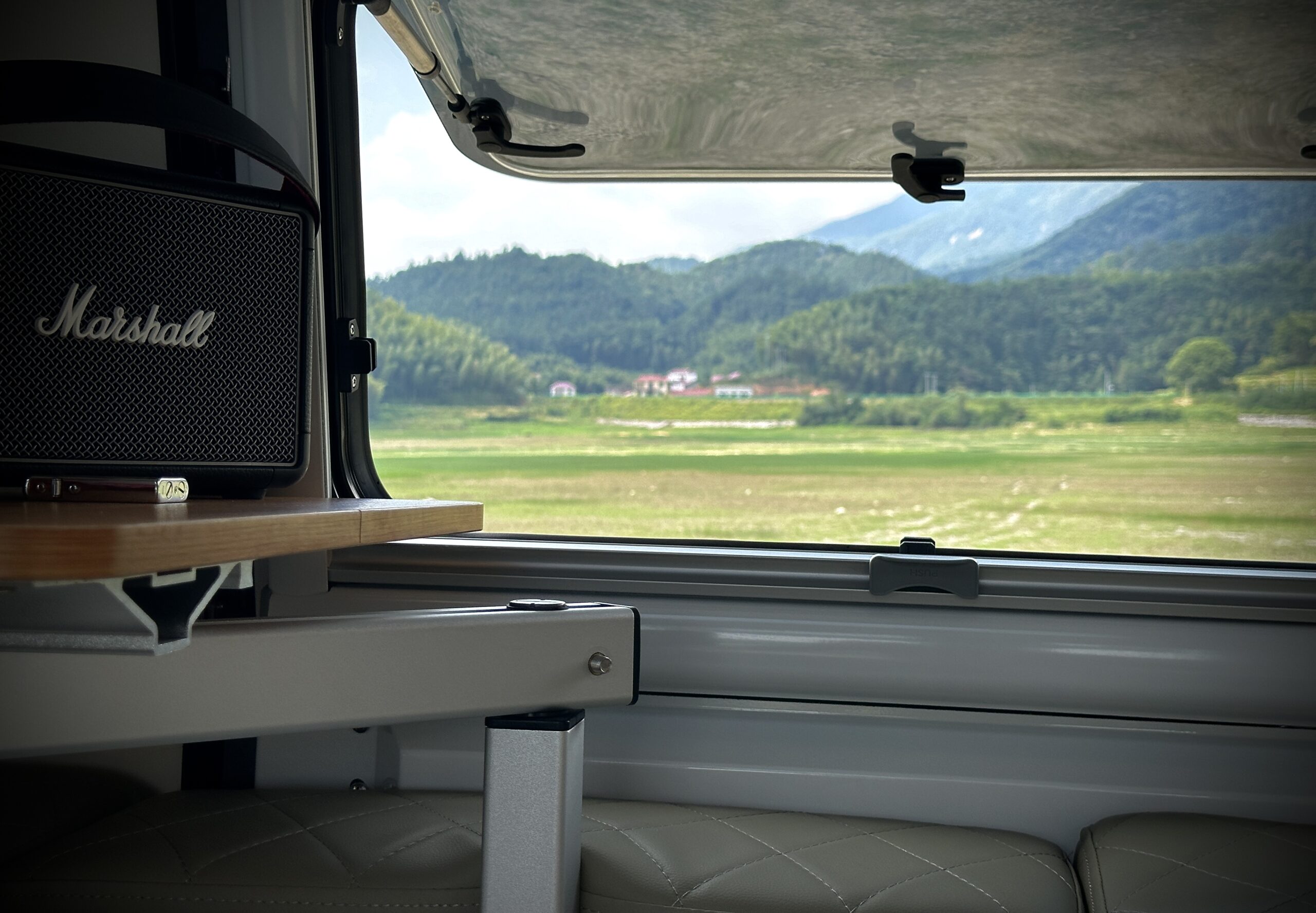
Truck campers have become increasingly popular among outdoor enthusiasts, adventurers, and travelers seeking a versatile and convenient way to explore the open road. These compact travel accommodations offer the perfect blend of mobility, comfort, and functionality, making them an ideal choice for those who value freedom and self-sufficiency on their trips. This article delves into the world of truck campers, exploring their design, benefits, customization options, and practical considerations, providing a comprehensive guide for anyone interested in this unique form of travel accommodation.
What is a Truck Camper?
A truck camper is a portable living space that is mounted on the bed of a pickup truck. Unlike traditional RVs or trailers, truck campers offer a compact and lightweight option, allowing for easy maneuverability and access to a wide range of locations, including off-road and remote areas. These campers typically include basic amenities such as sleeping quarters, a small kitchenette, storage, and sometimes even bathroom facilities.
Design and Features of Truck Campers
The design of truck campers varies widely based on the manufacturer and the intended use. Generally, a truck camper is constructed with durable materials to withstand outdoor conditions and provide insulation against weather elements. Some common features found in truck campers include:
- Sleeping Area: Typically includes a bed that fits above the truck cab or folds up to save space.
- Kitchenette: Equipped with a small sink, stove, and refrigerator, allowing for basic meal preparation.
- Storage Space: Cabinets and compartments designed to store camping gear, food, and personal belongings securely.
- Bathroom Facilities: Some models offer portable or built-in toilets and shower options for added convenience.
- Climate Control: Ventilation fans, heaters, and air conditioning systems help maintain a comfortable interior environment in various weather conditions.
Advantages of Truck Campers
Truck campers offer numerous benefits compared to other types of recreational vehicles and camping options:
- Mobility and Accessibility: Their compact size and ability to be mounted on a pickup truck allow for easier driving and parking in tight or off-road locations.
- Customization: Many manufacturers offer options to customize the camper to suit specific truck models or personal preferences, making the camper truly unique and functional.
- Cost-Effectiveness: Truck campers are generally more affordable than larger RVs or motorhomes, both in initial purchase price and ongoing maintenance costs.
- Versatility: Since the camper unit is removable, the truck can be used independently for work or other activities when not camping.
- Self-Sufficiency: With incorporated amenities, truck campers enable extended trips without the need for hotels or restaurants, fostering an immersive outdoor experience.
Customization Options for Truck Campers
One of the key attractions of truck campers lies in their adaptability. Depending on individual needs and preferences, the camper box can be custom-built to fit specific pickup models or tailored with various features:
- Tailored Fit: Ensures that the camper securely mounts onto the truck bed, optimizing space use and stability during travel.
- Specialized Layouts: Options include additional seating, expandable sleeping areas, or reconfigured kitchen spaces, enhancing usability.
- Material Choices: Customized insulation, roofing materials, or external finishes improve durability and style.
- Accessory Packages: Solar panels, awnings, off-grid water systems, and enhanced lighting can be added for increased independence.
Choosing the Right Truck Camper
Selecting the ideal truck camper involves evaluating several factors to ensure it meets your travel and lifestyle needs:
- Truck Compatibility: It’s essential to choose a camper designed for your truck’s size and weight capacity to avoid safety issues and maintain vehicle performance.
- Intended Use: Consider whether you’ll primarily camp in public campgrounds, go off-grid, or combine camping with work-related travel, as this influences feature requirements.
- Budget: Establish a budget that accommodates the camper and any necessary upgrades, remembering to factor in additional costs like maintenance and insurance.
- Comfort vs. Compactness: Balance your desire for comfort with the practicality of a compact camper, especially if your travels involve rough terrain or frequent relocations.
Maintenance and Durability
Proper maintenance is vital to prolonging the life of a truck camper and ensuring it remains safe and functional:
- Regular Inspection: Check seals, mounts, and structural components for wear or damage to prevent leaks and ensure stability.
- Cleaning: Routinely clean both the interior and exterior to avoid buildup of dirt, mold, or corrosion.
- System Checkups: Inspect electrical, plumbing, and gas systems periodically to maintain safe operation.
- Seasonal Care: Prepare the camper for seasonal changes, such as winterizing plumbing or adding insulation for colder climates.
Environmental Impact and Sustainability
With growing awareness of environmental responsibility, many truck camper manufacturers and users focus on sustainable practices:
- Eco-Friendly Materials: Use of recycled or sustainable materials in construction reduces environmental footprint.
- Energy Efficiency: Incorporation of solar panels and efficient appliances minimizes reliance on fossil fuels.
- Waste Management: Designing systems for proper disposal or treatment of waste encourages responsible camping habits.
The Future of Truck Campers
Advancements in technology and changing travel preferences are driving innovation in the truck camper industry. New models increasingly incorporate smart technologies such as automated climate control, advanced security systems, and integrated GPS tracking to enhance convenience and safety. Additionally, electric and hybrid trucks paired with lightweight camper designs offer promising options for eco-conscious travelers eager to reduce their carbon footprint. As interest in outdoor adventure grows, truck campers will continue to evolve, blending comfort, efficiency, and sustainability.
Conclusion
Truck campers offer a unique and versatile solution for those looking to explore the great outdoors without sacrificing comfort or mobility. Their customizable design options, cost-effectiveness, and self-sufficient features make them an attractive choice for diverse travel lifestyles. Whether embarking on short weekend trips or extended road adventures, a well-chosen truck camper can transform your vehicle into a comfortable and reliable home on wheels. Understanding the various aspects of truck campers—from design to maintenance and future trends—allows prospective buyers to make informed decisions and fully enjoy the freedom that these mobile living spaces provide.