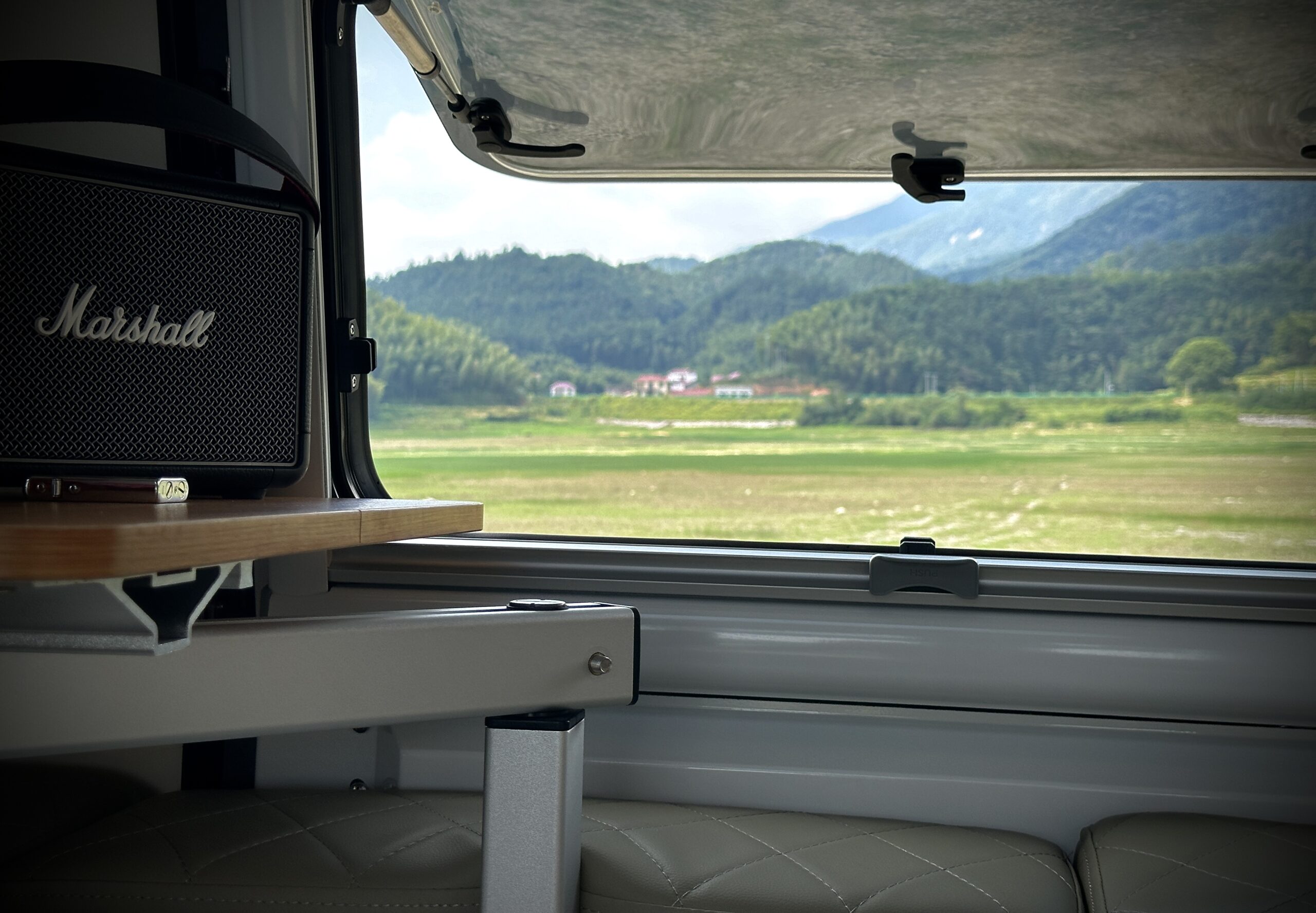
Truck campers have become an increasingly popular choice among outdoor enthusiasts seeking the perfect blend of mobility, convenience, and comfort. These compact, versatile units mount directly onto the bed of a pickup truck, transforming an ordinary vehicle into a fully functional mobile living space. Whether you’re a weekend adventurer, a long-haul traveler, or someone who appreciates the freedom to explore remote locations without sacrificing comfort, truck campers offer an ideal solution.
In this comprehensive guide, we will delve deep into the world of truck campers — exploring their design, features, benefits, and how to choose the right one for your needs. We will also discuss customization options, maintenance tips, and the future trends shaping this dynamic segment of the camping industry.
Understanding Truck Campers: What Are They?
A truck camper is a recreational vehicle designed to fit snugly into the bed of a pickup truck. Unlike traditional RVs or trailers, they are uniquely compact and can be detached from the truck when you need to use your vehicle separately. This makes them an attractive option for people who want the convenience of a camper without being tied down to a large vehicle or cumbersome trailer. Truck campers are sometimes referred to as “slide-in campers” or “slide-ons,” highlighting their modular design.
Most truck campers come equipped with essential amenities such as sleeping quarters, a small kitchen or galley area, storage, and sometimes a compact bathroom or wet bath. The interior layout is designed to maximize space efficiency, making use of every inch inside the camper.
The Evolution of Truck Campers
Truck campers have evolved significantly over the years. Early models were very basic, often featuring just a sleeping area without much else. However, as consumer expectations rose, manufacturers began integrating more comforts and innovative designs to enhance usability and livability.
Modern truck campers incorporate advanced materials, insulation techniques, and smart floor plans that accommodate multiple lifestyle preferences — from rugged off-road adventuring to more leisurely family camping. Some models now include solar panels, slide-out sections, and luxury features previously reserved for larger RVs.
Benefits of Choosing a Truck Camper
There are several compelling reasons why truck campers stand out as an excellent choice for many travelers:
- Mobility and Accessibility: Their compact design enables you to tackle narrow trails, uneven terrain, and other off-road adventures with ease. They also fit into standard parking spaces, unlike large RVs.
- Versatility: Because you can detach the camper from your truck, the vehicle itself remains fully functional. This means you won’t need a second vehicle for everyday use.
- Cost-Effective: Generally, truck campers cost less than larger motorhomes or travel trailers, both in terms of initial investment and maintenance expenses.
- Fuel Efficiency: Compared to towing a trailer or driving a motorhome, using a truck camper usually results in better fuel economy because you’re driving a single, lighter vehicle.
- Year-Round Use: Many truck campers are designed with insulation and heating options, making them suitable for winter camping.
Key Features to Look for in a Truck Camper
When selecting a truck camper, it’s essential to consider the features that best meet your camping style and preferences:
Size and Weight
The size and weight of the camper must be carefully matched with your pickup truck’s payload capacity to ensure safety and optimal performance. Overloading your truck can damage suspension components and affect handling.
Living Space and Layout
Look for layouts that efficiently use space without feeling cramped. Common features include dinettes that convert to beds, overhead sleeping alcoves, and fold-out or slide-out sections to increase living space.
Sleeping Arrangements
The sleeping capacity varies from models designed for solo travelers or couples to those accommodating entire families. Consider the number of people usually traveling with you and choose a design that offers comfortable sleeping accommodations.
Kitchen Facilities
Kitchen configurations often include a small refrigerator, a two-burner stove, a sink with running water, and storage cabinets. Check if the water and gas systems are easy to refill and maintain.
Bathroom Options
Some truck campers come equipped with compact wet baths that integrate a toilet and shower in one space, while others rely on external facilities or portable toilets for overland adventures.
Power and Connectivity
The availability of 12V and 110V power systems, solar panel integration, and backup batteries are important considerations for off-grid camping. USB ports, lighting, and appliance energy needs can influence your overall power setup.
Insulation and Climate Control
Good insulation is crucial for maintaining comfort in colder climates. Heating options such as propane heaters or diesel-fired heaters help extend usability into the winter months, while ventilation and fans can keep the camper cool in summer.
Customization and Upgrades
One of the most appealing aspects of truck campers is the ability to customize or upgrade them to suit your lifestyle. Whether you want to add solar panels, install a rooftop rack, or fit high-tech appliances, customization can transform a basic camper into a personalized home on wheels.
Some popular upgrades include:
- Enhanced off-road suspension for improved travel on rough terrains.
- Expanded fuel and water storage tanks for extended trips.
- Exterior awnings and outdoor kitchens for more outdoor living space.
- Security systems and remote monitoring solutions.
- Upgraded interiors with higher quality materials or aesthetic touches.
Choosing the Right Truck Camper for Your Vehicle
Matching a truck camper to your pickup requires careful consideration of your truck’s capabilities. Most manufacturers provide guidance on which models fit specific trucks, but it’s important to evaluate:
- Payload and Gross Vehicle Weight Rating (GVWR): Ensure your truck can safely handle the camper’s weight including cargo and passengers.
- Truck Bed Dimensions: Camper size must fit the bed size — short, standard, or long.
- Truck Suspension and Tires: Upgrades may be necessary to support increased load and maintain ride quality.
Consult a trusted dealer or manufacturer to verify compatibility and safety before purchasing.
Popular Applications of Truck Campers
Truck campers are employed in a wide range of scenarios:
Recreational Camping
Ideal for weekend trips and summer vacations, truck campers let travelers explore national parks, campgrounds, and remote wilderness with ease and comfort.
Overlanding
For those venturing beyond traditional roads, ruggedized truck campers support extended remote journeys, with durable build and off-grid capabilities.
Mobile Workstations
With customizations, truck campers can also serve as mobile offices or workspaces for professionals who need flexibility and mobility in their work environment.
Event and Food Service Trailers
In some cases, the camper chassis is adapted for commercial purposes, such as mobile food trucks or event trailers, highlighting the versatility of these compact units.
Maintenance Tips for Longevity
Proper upkeep ensures your truck camper stays in prime condition over many seasons:
- Regular Inspections: Check seals, roof membranes, and joints for leaks or damage.
- System Maintenance: Maintain plumbing, electrical, and HVAC systems according to manufacturer guidelines.
- Cleaning: Keep interiors and exteriors clean, paying attention to vents and drains.
- Storage: Use appropriate storage techniques during off-seasons to protect against weather damage.
Future Trends in Truck Campers
The rise in eco-consciousness, technological advancements, and changing travel habits are shaping future truck camper designs. Emerging trends include:
- Electric and Hybrid Power Solutions: Integration of electric vehicle technology and solar systems to reduce carbon footprints.
- Smart Home Integration: Remote control and automation of lighting, climate, security, and entertainment systems.
- Lightweight Materials: Use of composites and innovative materials to reduce weight while enhancing durability.
- Modular Designs: Greater flexibility with interchangeable components for diverse travel needs.
Conclusion
Truck campers offer a unique and practical approach to recreational travel, combining the rugged capability of a pickup truck with the comforts of a mobile living space. Their adaptability, cost efficiency, and portability make them particularly well-suited for a wide variety of users — from solo adventurers to families seeking to explore the outdoors on their terms.
By understanding the key features, benefits, and considerations outlined in this guide, you’ll be well-equipped to select and enjoy a truck camper that perfectly fits your travel lifestyle. With proper care and the opportunity for customization, your truck camper can become an indispensable companion on countless adventures.