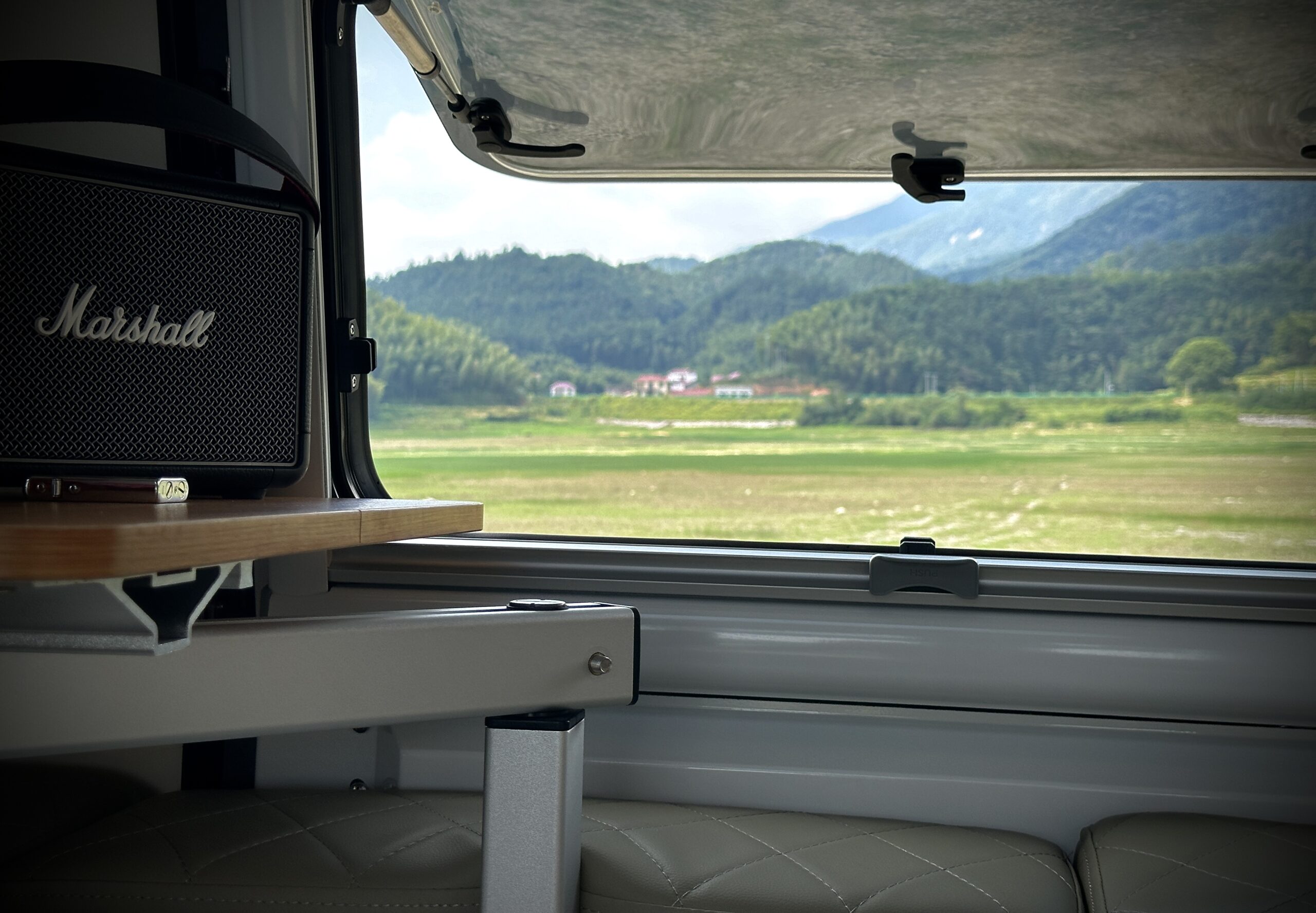
Truck campers have become an increasingly popular choice among outdoor enthusiasts and adventure seekers who value mobility, flexibility, and self-sufficiency. Whether you’re planning weekend getaways or extended road trips, a truck camper offers the perfect balance between the freedom of the open road and the comforts of home. This comprehensive guide will walk you through everything you need to know about truck campers, from types and features to buying tips and maintenance advice.
What Is a Truck Camper?
A truck camper is a compact, self-contained living unit designed to be loaded directly onto the bed of a pickup truck. Unlike traditional RVs or trailers, truck campers transform your truck into a mobile home that can navigate narrow roads, rough terrain, and remote areas with ease. They provide sleeping quarters, cooking facilities, storage, and sometimes bathroom amenities in a highly efficient footprint.
History and Popularity of Truck Campers
The concept of truck campers originated decades ago, with designs evolving from simple wooden boxes to highly engineered, lightweight, and luxurious units. Their growing popularity can be attributed to the rise of outdoor recreation, advancements in camper technology, and the versatility of using your truck as both a vehicle and a living space. Today, truck campers are favored by solo travelers, couples, and families who prioritize adventurous lifestyles and value the convenience of quick setup and tear down.
Types of Truck Campers
Truck campers come in several variations, each catering to different needs, truck sizes, and budgets. Here are the primary types:
- Pop-Up Truck Campers: These campers feature expandable canvas sides, providing more interior space when set up and compactness when traveling. They are lightweight and excellent for those who want a balance between comfort and ease of transport.
- Hard-Side Truck Campers: Featuring rigid construction with insulated walls, these units provide better weather protection and security. They often resemble small trailers mounted on trucks and include advanced amenities.
- Slide-In Truck Campers: These campers slide into the truck bed and lock into place, offering a snug fit with the vehicle. They are ideal for trucks with standardized bed sizes.
- Over-Cab Models: These have a sleeping area extending over the truck cab, maximizing interior living space without increasing the footprint.
Key Features and Amenities of Truck Campers
Modern truck campers are equipped with a wide range of features designed to ensure comfort and convenience during your travels. Typical amenities include:
- Sleeping Quarters: Most campers provide beds for 2 to 4 people, often located in the over-cab space or rear of the unit.
- Kitchen Facilities: Includes a compact stove, sink, refrigerator, and prep areas. Some models feature microwave ovens and additional storage for utensils and food.
- Bathroom Facilities: Depending on the size, campers may have portable or built-in toilets, showers, and wastewater systems.
- Climate Control: Air conditioners, heaters, and ventilation fans help maintain comfortable temperatures in all seasons.
- Electrical Systems: Powered by batteries, solar panels, or shore power hookups, they support lighting, appliances, and charging stations.
- Storage: Efficient use of space for gear, clothes, and supplies is a design priority, including under-bed compartments, cabinets, and exterior storage boxes.
Benefits of Owning a Truck Camper
Choosing a truck camper over other RV options has numerous advantages:
- Mobility and Accessibility: Smaller and lighter than typical motorhomes or trailers, truck campers can access rugged terrains, backcountry roads, and tight campsites not reachable by larger vehicles.
- Versatility: Your pickup truck remains usable for daily driving and cargo hauling without the hassle of towing.
- Quick Setup: Unlike travel trailers requiring hitching and leveling, truck campers can be set up swiftly, allowing spontaneous trips.
- Cost-Effective: Generally less expensive than larger RVs both in purchase price and ongoing maintenance.
- Storage Convenience: When not in use, they can be removed and stored separately, freeing your truck for other purposes.
Who Should Consider a Truck Camper?
If you’re an outdoor lover who enjoys hiking, fishing, hunting, or exploring off-the-beaten-path destinations, a truck camper is a wise choice. It suits individuals or small families looking for an affordable option that offers independence and comfort without needing a second vehicle. Additionally, those living in urban environments with limited space for large RVs find truck campers easier to park and maneuver.
How to Choose the Right Truck Camper
Selecting the perfect truck camper involves several considerations to ensure compatibility and satisfaction:
- Truck Size and Payload Capacity: It is crucial to know your truck’s bed dimensions, gross vehicle weight rating (GVWR), and payload limits to select a camper that fits safely.
- Weight of the Camper: Heavier campers require pickups with higher payload capacities and might affect fuel efficiency negatively.
- Layout and Floor Plan: Choose based on your sleeping requirements, intended number of occupants, and desired amenities.
- Usage Frequency and Duration: For frequent or long trips, investing in more robust features and insulation makes sense.
- Climate Conditions: Consider insulation, heating, and cooling abilities tailored to the environments you’ll explore.
- Budget: Balance between upfront cost, maintenance, and feature requirements.
Customization Options for Truck Campers
Manufacturers often offer custom builds to match specific truck models and user preferences. Popular customizations include:
- Custom fit camper boxes tailored precisely to your pickup’s bed size and style.
- Incorporation of specialty features like solar panels, off-grid water tanks, enhanced battery setups, or tow hooks.
- Upgraded interior finishes with premium materials and ergonomic designs.
- Exterior modifications such as awnings, rooftop storage racks, or exterior showers.
- Integration of smart technology for lighting control, security cameras, and climate monitoring.
Popular Truck Camper Brands and Manufacturers
Several reputable brands lead the market in truck camper innovation and quality. It’s advisable to research companies that produce units compatible with your truck and have strong customer reviews. Many Chinese manufacturers, particularly those with well-equipped production facilities, specialize in pickup camper boxes, food trailers, and mobile restroom/shower trailers. Their ability to custom-build camper boxes ensures a perfect fit for diverse vehicle models.
Maintenance and Care Tips for Truck Campers
Maintaining your truck camper ensures longevity, safety, and reliability during your adventures:
- Regularly inspect structural components for cracks, leaks, or water damage.
- Maintain seals on windows, doors, and roof vents to prevent moisture ingress.
- Test electrical systems and batteries frequently; keep solar panels clean.
- Clean and check plumbing for leaks or blockages.
- Lubricate moving parts such as slide mechanisms and jacks.
- Store the camper in a covered or protected area when not in use to minimize weather exposure.
- Follow manufacturer guidelines for servicing and replacement of parts.
Legal and Safety Considerations
When operating a truck camper, it is important to comply with local laws and safety standards:
- Ensure your vehicle’s registration and insurance cover the camper and associated activities.
- Understand weight limits and road restrictions, especially for off-road or mountainous areas.
- Use proper tie-downs and supports to secure the camper during transit.
- Install smoke and carbon monoxide detectors inside the camper.
- Keep fire extinguishers accessible and know emergency exit points.
Tips for First-Time Buyers
If you’re new to truck campers, consider the following to make an informed purchase:
- Visit dealerships or attend RV shows to physically inspect units and ask questions.
- Rent a truck camper for a trial run to experience setup, sleeping comfort, and driving dynamics.
- Research online forums and communities to gain insights and real-life feedback.
- Evaluate the total cost of ownership including insurance, maintenance, and accessory purchases.
- Check warranty offerings and after-sales support availability.
Comparison with Other Camping Options
Understanding how truck campers differ from other mobile living solutions can help you decide:
- Truck Camper vs. Travel Trailer: Truck campers offer better maneuverability and faster setup but usually less living space than trailers.
- Truck Camper vs. Motorhome: Truck campers allow you to use your truck independently and tend to be more economical; motorhomes offer more space and amenities but are bulkier.
- Truck Camper vs. Tent Camping: Truck campers provide substantially more comfort and protection from the elements but lack the simplicity and rustic feel of tents.
The Future of Truck Campers
The truck camper industry is evolving rapidly, with trends focusing on sustainability, lightweight materials, and smarter technology integration. Expect to see more solar-powered models, improved insulation for year-round use, and enhanced connectivity features such as Wi-Fi boosters and app-controlled utilities. Additionally, niche markets like overland expedition campers and luxury custom builds are expanding, providing options tailored to diverse adventure lifestyles.
Conclusion
Truck campers offer an exceptional way to explore the outdoors without sacrificing comfort or versatility. Their compact nature, adaptability to different trucks, and range of features make them highly attractive for adventurers seeking both convenience and rugged capability. By understanding the various types, features, and considerations involved in selecting and maintaining a truck camper, you can choose the perfect unit that meets your needs and enhances your travel experience. Whether you’re a weekend warrior or a full-time traveler, investing in a quality truck camper opens up a world of possibilities to connect with nature and create lasting memories.