Truck campers have revolutionized the way adventurous travelers and outdoor enthusiasts explore the world. These versatile vehicles combine the rugged capability of pickups with the comfort and convenience of mobile living spaces. From weekend camping trips to extended cross-country journeys, truck campers offer a unique blend of mobility, flexibility, and self-sufficiency that traditional RVs and trailers often cannot match. In this article, we will delve deeply into the features, benefits, customization options, and practical applications of truck campers, providing a comprehensive guide that showcases why they are becoming increasingly popular among travelers seeking freedom on the road.
What Are Truck Campers?
Truck campers are recreational vehicles designed to be mounted directly onto the bed of a pickup truck. Unlike travel trailers or motorhomes, which are separate from the towing vehicle or built on a truck chassis, truck campers integrate with the truck by sitting inside the cargo area. This design allows for exceptional maneuverability and off-road capability while still providing living quarters equipped with essential amenities such as sleeping areas, kitchens, bathrooms, and storage.
There are many types of truck campers ranging from simple pop-up models to fully self-contained units equipped with slide-outs, solar panels, and advanced climate control systems. The core advantage is the ability to detach the camper when stationary and use the truck independently, increasing the flexibility of vehicle use during trips.
Core Components and Layouts of Truck Campers
A truck camper typically includes several basic components to ensure comfort and functionality. The living area generally includes a sleeping berth, a small kitchen or galley, a dining area, and often a compact bathroom. Let’s break down the key components:
- Sleeping Quarters: Most truck campers feature a bed above the cab area, making efficient use of vertical space. The sleeping area typically accommodates two people comfortably, with some expandable models providing additional sleeping capacity.
- Kitchen and Cooking Facilities: A basic kitchen setup usually includes a small refrigerator, a two- or three-burner stove, a sink with running water, and storage for cookery and food. More advanced setups may include microwaves and convection ovens.
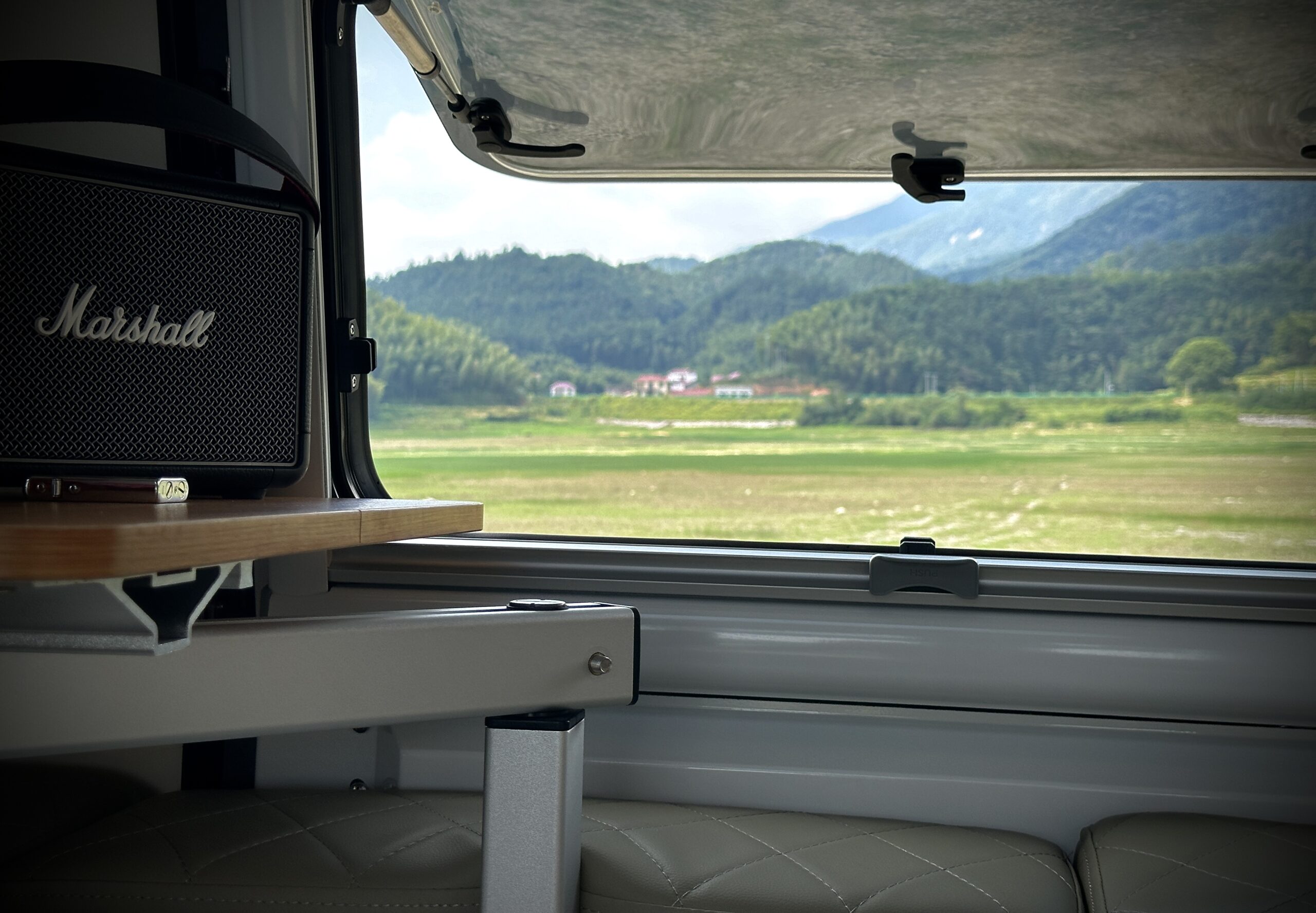
- Dining Area: Many models include a convertible dinette – a table surrounded by benches that can convert into extra sleeping space or a lounge area.
- Bathroom Facilities: Some truck campers offer compact wet baths integrating a toilet and shower in the same space, while others may have portable toilets or limited shower setups.
- Storage: Because space is limited, strategic storage solutions such as under-bed compartments, overhead cabinetry, and external storage bins are important design considerations.
Advantages of Truck Campers
Truck campers boast several significant advantages over other types of RV setups and tent camping. These advantages contribute to their rising popularity:
- Mobility and Versatility: Mounted on pickup trucks, these campers can access locations that larger RVs or trailers cannot. Their smaller size and integrated design make them ideal for off-road adventures, narrow roads, and urban environments.
- Easy to Detach: Unlike travel trailers, truck campers can be removed when parked, allowing the truck to be used independently for errands or sightseeing.
- Compact Size: The smaller footprint of truck campers means easier parking, lower towing concerns, and reduced fuel consumption compared to larger motorhomes.
- All-Season Travel: Many truck campers are well-insulated and equipped with heating and cooling systems, enabling year-round use in varied climates.
- Customization and Personalization: Users can customize interiors and features to their specific needs and outfitted for specialized uses such as hunting, fishing, or food service trailers.
Customization Options for Truck Campers
Customization is one of the defining characteristics of truck campers, appealing to owners who want their camper to match their lifestyle perfectly. Manufacturers offer modular options, and aftermarket modifications provide nearly limitless possibilities:
- Custom-Fit Camper Boxes: Based on the make and model of the pickup truck, custom-built camper boxes ensure optimal fit, balance, and stability. This tailoring improves driving safety and camper durability.
- Interior Layouts: Clients can select from various interior configurations to maximize space use. Whether prioritizing sleeping capacity, kitchen area, or bathroom facilities, the interior design can meet diverse preferences.
- Material Choices: From lightweight composite materials to insulated aluminum exteriors, the choice of materials influences camper weight, insulation effectiveness, and durability.
- Off-Grid Capabilities: Solar power systems, large water tanks, waste management solutions, and battery banks enable users to camp away from traditional amenities for extended periods.
- Exterior Features: Roof racks, awnings, bike mounts, and external storage boxes enhance outdoor activities and gear transport.
Technology Integration in Modern Truck Campers
Technological advances continue to elevate the living standards and convenience of truck campers. Integration of modern technology includes:
- Smart Control Systems: Touchscreen panels and smartphone apps allow monitoring and controlling lighting, temperature, water levels, and battery status remotely.
- Energy Efficiency: The use of LED lighting, energy-efficient appliances, and renewable energy sources like solar panels reduce the environmental footprint and operational costs.
- Connectivity Solutions: Wi-Fi extenders, satellite communications, and cellular boosters enable campers to stay connected even in remote locations.
Popular Uses and Applications of Truck Campers
Beyond recreational camping, truck campers are adapted for various specific purposes:
- Outdoor Recreation: Hikers, hunters, and anglers use truck campers as mobile base camps close to nature zones.
- Worksite Accommodation: Professionals working remotely on construction sites or rural areas utilize truck campers for convenient lodging.
- Mobile Food Services: Food trailers built on pickup beds leverage the truck camper concept to offer street food and catering services with ease of relocation.
- Emergency and Medical Use: Portable mobile units equipped as clinics or emergency response centers capitalize on the truck camper’s mobility and setup versatility.
Considerations When Buying a Truck Camper
Selecting the right truck camper involves careful consideration of numerous factors to ensure safety, comfort, and compatibility:
- Truck Compatibility: The camper must fit the truck bed size and be within the vehicle’s payload capacity to avoid safety issues.
- Weight and Balance: Proper weight distribution is critical. Overloading the rear axle or imbalance can affect handling and braking.
- Intended Use: Assess whether the camper will be used for short weekend trips, long-term travel, or specific outdoor activities.
- Features and Amenities: Choose the features that enhance your comfort without unnecessarily increasing weight or complexity.
- Budget: Costs vary widely depending on size, features, and customizations. Factor in initial purchase, maintenance, and possible upgrades.
- Regulatory Compliance: Be aware of local laws regarding vehicle modifications, weight limits, and road permits.
Maintenance and Care of Truck Campers
Proper maintenance ensures longevity and reliability of your truck camper. Key maintenance tasks include:
- Regular Inspections: Check seals, windows, doors, and roof regularly for leaks or damage.
- Appliance Servicing: Maintain stoves, refrigerators, and heating units to prevent malfunctions.
- Chassis and Mounting Hardware: Inspect the mounting frame and fixings to ensure secure attachment to the pickup truck.
- Water and Waste Systems: Sanitize water tanks, clear waste tanks, and repair plumbing as necessary.
- Battery and Electrical Systems: Monitor battery health and wiring to avoid failures during excursions.
Conclusion
Truck campers offer a compelling solution for those seeking the freedom to roam with comfort and efficiency. Their blend of mobility, adaptability, and modern amenities makes them a top choice for outdoor enthusiasts, professionals, and entrepreneurs alike. With customizable options and advancements in technology, today’s truck campers cater to an increasingly diverse array of users and activities. Whether embarking on remote adventures or utilizing them as mobile workspaces, investing in a well-designed truck camper represents an excellent means to embrace life on the road without compromising on essential comforts. When considering your next travel or business vehicle, the truck camper is a versatile and practical option worthy of serious consideration.