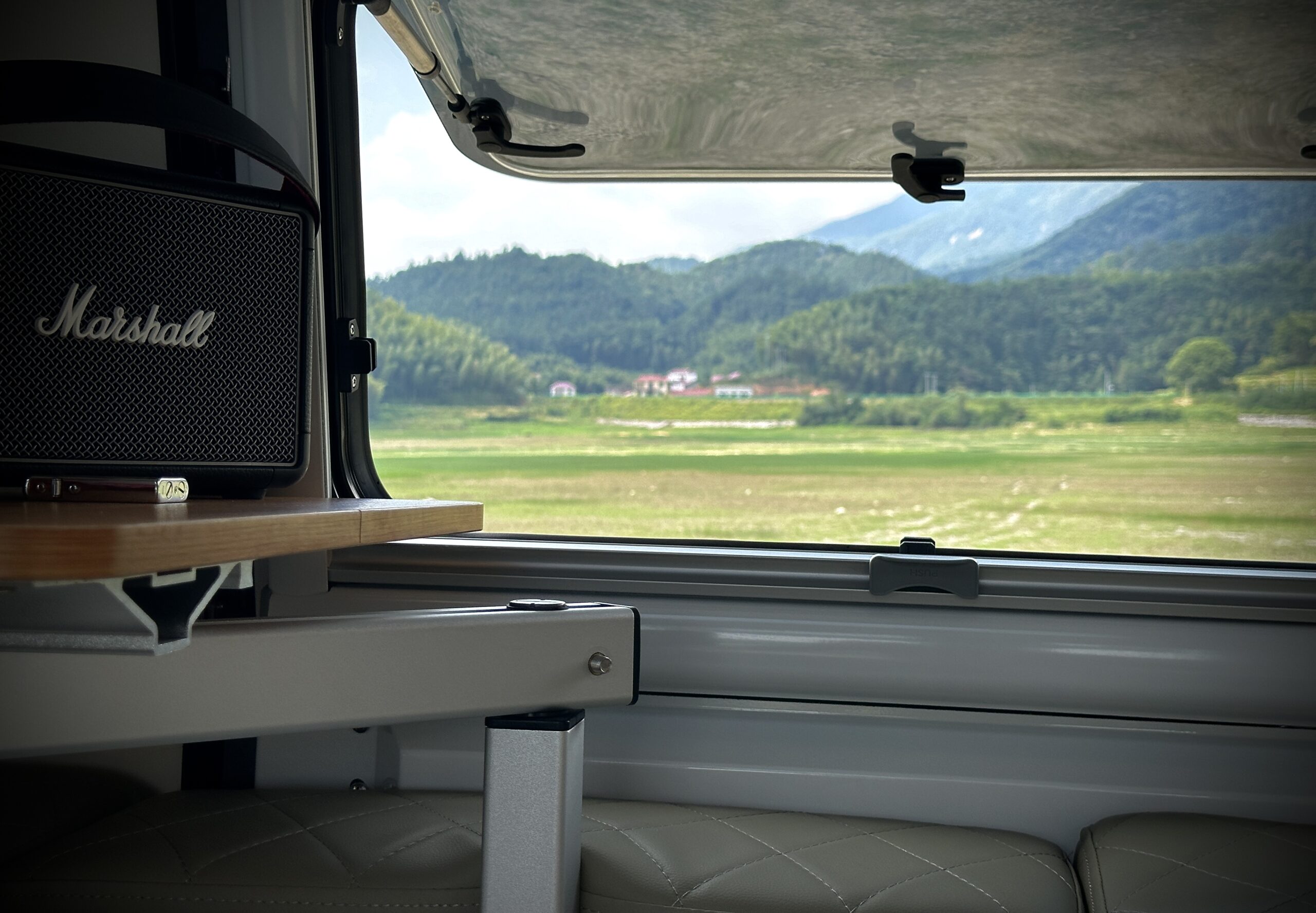
Truck campers have rapidly transformed the way outdoor enthusiasts experience travel and adventure. These versatile and compact mobile living spaces mounted on pickup trucks provide unparalleled freedom and flexibility, allowing travelers to explore remote locations without sacrificing the comforts of home. In recent years, especially in countries like China, the innovation and production of truck campers have achieved significant advancements, offering consumers a wide range of customizable and feature-rich options.
Understanding what makes a truck camper unique requires exploring its design, functionality, and benefits compared to other types of recreational vehicles (RVs). Unlike conventional motorhomes or travel trailers, truck campers attach directly to the bed of a pickup truck, making them more maneuverable and often more affordable. They cleverly maximize the limited space to include essential amenities such as sleeping quarters, kitchenettes, bathrooms, and storage compartments.
One of the primary advantages of choosing a truck camper lies in its adaptability. Since the camper can be removed from the pickup truck, the vehicle remains fully operational for everyday use when not on a camping trip. This dual-purpose capability appeals particularly to lifestyle adventurers who need a dependable vehicle for work or errands but also want the freedom of spontaneous weekend getaways.
Furthermore, customization plays an essential role in the truck camper market. Leading manufacturers, particularly those based in China with advanced production facilities, offer the ability to design camper boxes tailored to fit various pickup truck models. This bespoke approach ensures an optimal fit, enhancing safety, comfort, and overall user experience. Customers can select interior layouts, materials, and additional features such as solar panels, heating systems, and advanced water purification setups, making their camper a personalized home-away-from-home.
The rise of eco-consciousness and sustainability trends also shapes modern truck camper designs. Many producers incorporate green technologies such as energy-efficient lighting, solar energy harnessing, and eco-friendly waste management systems. These innovations reduce the environmental footprint of camping trips, aligning with the values of a growing community of travelers committed to preserving nature.
Besides recreational uses, truck campers serve practical purposes in various industries. Mobile food trailers equipped as kitchens prepare and sell food at festivals, construction sites, or urban events. Towable mobile restroom and shower trailers offer hygiene solutions for remote locations, disaster relief efforts, and outdoor working environments. These versatile applications demonstrate the adaptability of truck camper technology beyond leisure.
When evaluating a truck camper purchase, potential buyers should consider multiple factors. First, compatibility with the truck model is paramount to ensure safety and stability during travel. Weight distribution and balance influence fuel efficiency and road handling, so campers must be engineered carefully. Material quality, insulation, and durability affect long-term use, especially under adverse weather conditions.
Comfort and convenience features significantly enhance the camping experience. Interior design that maximizes space utility with multi-functional furniture, ample storage, and effective lighting contributes to livability. Kitchen facilities with compact cooking appliances, refrigerators, and water systems offer self-sufficiency for extended trips. Sleeping arrangements should combine comfort and space-saving designs, such as fold-out beds or convertible seating areas.
Sanitation is another critical component. Integrated restroom and shower areas equipped with wastewater management systems ensure hygiene and convenience. For off-grid camping, water conservation technologies and efficient heating solutions provide sustainability while maintaining comfort.
Technology integration is increasingly a standard in contemporary truck campers. Smart control systems allow owners to monitor energy consumption, battery levels, and environmental controls remotely via mobile apps. GPS tracking and security features improve safety for users traveling through unfamiliar territories.
The production process itself has advanced, with manufacturers employing precision engineering, high-quality materials, and innovative assembly techniques. Automation and robotics improve manufacturing consistency and speed, while strict quality control ensures that campers meet both local and international standards for safety and performance.
The popularity of truck campers has contributed to the growth of related industries, including aftermarket accessories, maintenance services, and specialty equipment suppliers. Travel communities, online forums, and social media groups foster knowledge sharing and troubleshoot common issues, further enhancing the user experience.
From a cultural perspective, truck campers align with the modern desire for exploration, minimalism, and connection with nature. They provide an ideal platform for digital nomads, remote workers, and families seeking immersive travel experiences without permanent displacement.
Looking ahead, the truck camper market is poised for further growth and innovation. Emerging materials like lightweight composites, advances in renewable energy integration, and enhanced modularity will give future campers greater versatility and environmental friendliness. R&D efforts are also focusing on improving aerodynamics to reduce drag and fuel consumption, essential for longer journeys and environmental impact mitigation.
In conclusion, truck campers represent a dynamic segment of the recreational vehicle industry characterized by innovation, flexibility, and user-centric design. Their adaptability for both leisure and practical applications makes them an essential option for a variety of users. As technology and consumer preferences evolve, truck campers will continue to redefine the boundaries of mobile living and adventures, empowering a new generation of explorers to embrace freedom on the road.