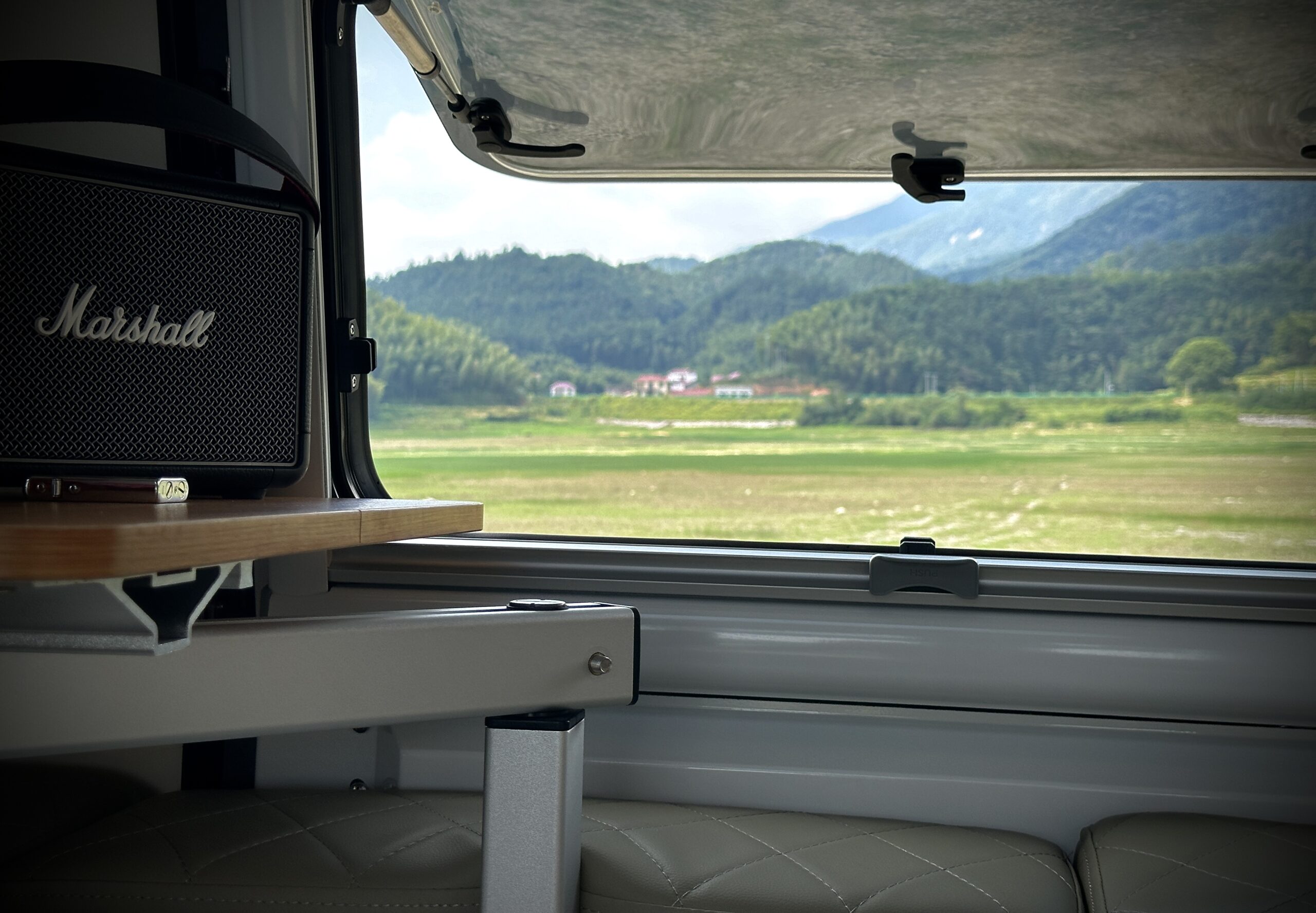
Truck campers have revolutionized the way outdoor enthusiasts explore the world, offering unmatched flexibility and convenience. Designed to fit directly onto a pickup truck, these compact living spaces bring the comforts of home into the heart of the wilderness. Whether you are a seasoned adventurer or a weekend traveler, truck campers provide a versatile solution for travel, camping, and even remote work. This comprehensive guide explores everything you need to know about truck campers—from design features and benefits to customization options and practical tips for use.
The Evolution of Truck Campers
Truck campers trace their origins back to the mid-20th century when outdoor recreation began gaining popularity. Early camper shells were simple, mostly providing shelter without many amenities. Over time, advancements in materials and design transformed these humble campers into fully functional mobile homes capable of sustained off-grid living.
Today’s truck campers are sophisticated units equipped with insulation, modern appliances, HVAC systems, and even solar panels. The innovations reflect increased demand for durability, comfort, and ease of use that cater to various lifestyles and purposes.
Benefits of Choosing a Truck Camper
Truck campers offer several advantages compared to other recreational vehicles such as trailers or motorhomes. Some standout benefits include:
- Mobility and Maneuverability: Because the camper is mounted on the bed of a pickup truck, it’s substantially easier to drive and park in tight spaces, including rugged off-road terrain.
- Compact Size: This makes them ideal for solo travelers or small groups. You can access remote areas that large RVs cannot reach.
- Customizability: Truck campers can be customized according to different truck models and user preferences, including layout design, appliances, and materials.
- Cost Efficiency: Generally, truck campers are more affordable than motorhomes or fifth-wheel trailers while still providing adequate living amenities.
- Detachment Capability: When you detach the camper, your truck functions normally, offering great versatility between everyday use and recreational purposes.
Core Components and Design Features
Understanding the anatomy of a truck camper helps buyers choose features tailored to their needs. The main components include a cab-over sleeping area, living space, kitchen facilities, bathroom amenities, and storage compartments.
Cab-over Sleeping Area
Located above the truck’s cab, this section typically contains a mattress sizable enough to comfortably sleep two adults. It maximizes space without increasing the vehicle’s overall footprint and often incorporates windows or skylights for ventilation and natural lighting.
Living Area
This multifunctional zone usually features seating, a foldable table, and sometimes additional sleeping arrangements like convertible benches. The use of space-saving furniture and modular designs enables efficient accommodation of daily activities such as dining, working, or relaxing.
Kitchen Facilities
Modern camper kitchens pack multiple functions into a small setting. They generally include a compact refrigerator, a two-burner stove, a sink with running water, and storage cabinets. Some advanced models incorporate microwave ovens, induction cooktops, or even small ovens, elevating cooking options substantially.
Bathroom Amenities
The bathroom setup varies widely between models. Basic truck campers may provide portable toilets or cassette systems, while luxury variants offer enclosed wet baths consisting of shower, sink, and flush toilet. Efficient water management systems, including fresh and gray water tanks, ensure self-sufficiency during trips.
Storage Solutions
Maximizing storage is essential due to limited space. Design innovations include under-seat compartments, overhead cabinets, exterior storage boxes, and customizable shelving systems. This organization is critical for managing camping equipment, clothing, food, and tools.
Material Selection and Insulation
The choice of building materials influences camper weight, durability, insulation, and aesthetics. Lightweight yet sturdy components like fiberglass, aluminum, or composite panels are common. Advanced insulation techniques, including thermal barrier coatings and double-pane windows, provide better climate control and energy efficiency.
Customization and Brand Options
Many manufacturers offer bespoke solutions where truck campers are tailored to specific pickup models, ensuring perfect fitment and optimized weight distribution. If you own a truck from popular brands like Ford, Chevrolet, Toyota, or Nissan, you can find specialized camper boxes designed to fit seamlessly with your vehicle.
Besides fitting, customization spans from layout choices to the integration of technology such as GPS systems, solar arrays, satellite internet, and remote monitoring. Customers can also select exterior finishes and accessories to enhance functionality and style.
Energy and Utility Systems
The independence of truck campers largely depends on their energy and utility support systems. Key elements include:
Electrical Systems
Most truck campers come equipped with a 12V electrical system powered by onboard batteries. Many incorporate dual-battery setups with inverters to supply AC power to household appliances. Solar panels have become increasingly popular, allowing sustainable power generation and longer off-grid stays.
Water Systems
Water tanks store fresh water, while gray water tanks collect wastewater from sinks and showers. Efficient pumps circulate water through faucets and showers. Several campers also feature water filtration systems suited for various environments.
Heating and Cooling
Temperature management is crucial for comfort. Truck campers can include propane heaters, diesel-powered furnaces, or electric heat pumps. Air conditioning units, often compact and rooftop-mounted, provide relief during hot weather. Additionally, proper insulation complements these systems by reducing energy consumption.
Safety and Security Features
Modern truck campers integrate various safety measures such as smoke and carbon monoxide detectors, fire extinguishers, and secure locking cabinets. Alarm systems and GPS tracking devices help protect against theft. Additionally, structural reinforcements ensure the camper remains stable and secure during travel.
Maintenance and Upkeep
Proper maintenance is essential to prolong the lifespan and functionality of your truck camper. Some tips include:
- Regularly inspect seals, joints, and roofing materials for leaks or wear.
- Maintain electric and plumbing systems by checking battery health and flushing water tanks.
- Clean and treat surfaces to prevent mold or corrosion, mainly if used in humid environments.
- Keep mechanical components like slide-outs and jacks lubricated and free from debris.
- Perform routine engine and chassis checks on the pickup to support the additional camper weight safely.
Practical Tips for Using a Truck Camper
First-time users should consider factors that can optimize their experience:
- Balance Weight Properly: Distribute weight evenly within the camper to maintain vehicle stability and avoid undue stress on suspension.
- Plan Your Camping Spots: Research locations that accommodate vehicles of your size and check local regulations regarding overnight stays.
- Prepare for Utility Hookups: Learn how to connect and disconnect water, sewage, and power safely at campgrounds.
- Optimize Space: Use multipurpose items and pack only essentials to avoid clutter.
- Practice Driving with Camper: The added height and length affect vehicle handling, so practice driving, especially in adverse conditions.
Environmental Impact and Sustainability
As outdoor recreation grows, the environmental footprint of travel is an important consideration. Truck campers, with their smaller size and potential for solar power use, generally have less impact than larger RVs. Responsible camping practices, such as adhering to Leave No Trace principles and minimizing waste, further promote sustainability.
Innovations such as energy-efficient appliances, composting toilets, and renewable energy integration continue to reduce environmental impact. Many manufacturers are investing in greener materials and technologies to align with eco-conscious consumer preferences.
Cost Considerations and Budget Planning
The cost of a truck camper can vary widely based on size, features, brand, and customization. Entry-level models might start around $15,000, while luxury or custom-built units can exceed $50,000. Added expenses include installation, maintenance, and storage.
When budgeting, buyers should also consider the cost of the pickup truck, insurance premiums, campsite fees, fuel, and accessories. However, many users find the investment worthwhile due to the value and freedom provided by their mobile home on wheels.
Community and Culture Around Truck Camping
Truck campers have fostered a vibrant community globally. Online forums, social media groups, and local meetups provide enthusiasts with a platform to share advice, adventures, and build camaraderie. Many events and rallies focus specifically on truck campers, celebrating the spirit of exploration and innovation.
This culture encourages continued development and exchange of ideas, making truck camping an ever-evolving lifestyle choice. The blend of rugged adventure, practical design, and community support makes this form of travel appealing to diverse demographics from retirees to young professionals.
Conclusion
Truck campers represent a harmonious blend of mobility, functionality, and comfort tailored for modern adventurers. Their compact design, customizable features, and off-road capabilities make them ideal for exploring remote landscapes with independence and style. Understanding the various components, systems, and practical considerations empowers prospective buyers and users to make informed decisions that align with their travel goals.
As technology and design continue to advance, the truck camper market is poised for exciting innovations that will further enhance the outdoor living experience. Whether you seek weekend escapes or extended journeys, investing in a truck camper unlocks new dimensions of freedom and connection with nature.