Truck campers have revolutionized the way outdoor enthusiasts experience travel and adventure. By combining the ruggedness of a pickup truck with the comfort and convenience of a movable home, truck campers offer an unparalleled blend of freedom, flexibility, and functionality. These versatile vehicles enable adventurers to explore remote locations without sacrificing essential amenities, making them an increasingly popular choice for camping, road trips, and off-road escapades.
At their core, truck campers are designed to be mounted onto the bed of pickup trucks, transforming them into compact, self-contained living units. Unlike traditional RVs or motorhomes, truck campers maintain the agility and off-road capability of the underlying truck, allowing users to reach destinations inaccessible to larger vehicles. This combination appeals to those who want to venture off the beaten path while still enjoying modern comforts.
Design and Construction of Truck Campers
Modern truck campers are the result of years of engineering and design innovation. Manufacturers use lightweight and durable materials such as aluminum, fiberglass, and composite panels to ensure the camper remains manageable in weight without compromising structural strength. The frame is typically constructed from reinforced steel or aluminum to withstand the stresses encountered off-road.
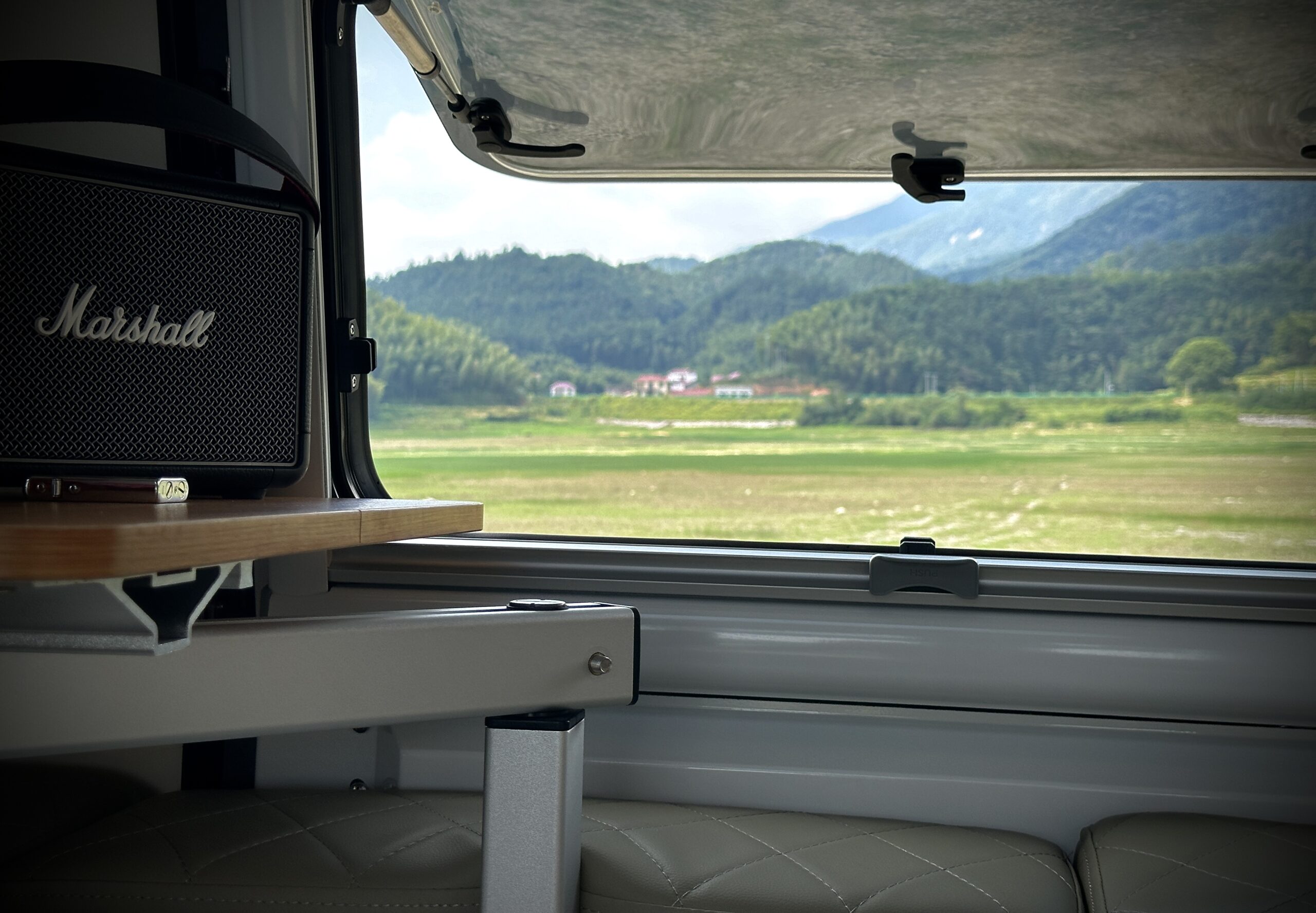
Inside, truck campers maximize limited space through smart layouts and multi-functional furniture. Key features often include a compact kitchenette equipped with a stove, sink, and refrigerator; convertible sleeping arrangements; storage compartments; dining areas; and sometimes even bathroom facilities with showers and toilets. The use of foldable or retractable furniture components helps optimize living space, making every inch count.
Customization and Versatility
One of the standout advantages of truck campers is their customizability. Since they are designed to fit on various pickup truck models, many manufacturers offer tailored solutions that align with specific truck bed dimensions and load capacities. This adaptability ensures a secure fit and optimal weight distribution, which is crucial for safety and vehicle handling.
Customization extends beyond just size and fit. Clients can often choose from a range of floor plans, interior finishes, appliance packages, and optional features such as solar panels, awnings, and heating or air conditioning systems. This personalized approach allows customers to build a truck camper that resonates with their travel style and comfort preferences.
Advantages of Truck Campers
Truck campers offer several compelling benefits:
- Mobility and Accessibility: Given their compact size and ability to leverage the off-road capabilities of pickup trucks, truck campers can access narrow trails, mountainous regions, and other challenging terrains.
- Cost-Effectiveness: Compared to larger motorhomes or travel trailers, truck campers typically have a lower upfront cost, reduced maintenance expenses, and better fuel efficiency due to lighter weight.
- Convenience: The ability to detach the camper from the truck allows the vehicle to be used separately for errands, sightseeing, or other activities without the bulk of the living unit.
- Quick Setup: Unlike larger RVs requiring hookups or leveling, truck campers often allow quick setup and teardown, making them ideal for spontaneous trips and brief overnight stays.
Key Considerations When Choosing a Truck Camper
Prospective buyers should evaluate several factors before selecting a truck camper:
- Truck Compatibility: The camper’s weight and footprint must align with the pickup truck’s payload capacity and bed size to ensure safe operation.
- Weight Distribution and Balance: Properly balancing the camper’s weight is critical for handling, braking, and minimizing tire wear.
- Intended Use: Consider the kind of travel you plan—off-road expeditions, weekend camping, or extended road trips—as different camper models cater to different needs.
- Comfort and Amenities: Facilities such as bathrooms, cooking appliances, climate control, and sleeping arrangements have a significant impact on the overall experience.
- Budget: Establish a clear budget that includes not only the initial purchase but also accessories, maintenance, and potential upgrades.
The Industry Landscape and Leading Manufacturers
The truck camper market has evolved significantly with contributions from various reputable manufacturers. These companies emphasize innovation and reliability, often incorporating user feedback to improve functionality. Leading brands offer a spectrum of models from lightweight pop-up campers ideal for small trucks to full-featured slide-in campers with luxury fittings.
Alongside well-known domestic manufacturers, emerging players in global markets are pushing technological boundaries by integrating smart home features, enhanced insulation, and eco-friendly energy systems like solar power. Some specialize in custom camper boxes designed for specific pickup models, which ensures an optimal match and enhances safety and durability.
Technological Innovations in Truck Campers
Advancements in technology have greatly enhanced the capabilities of truck campers. Solar panels and battery storage systems enable off-grid power generation and usage, permitting longer stays in remote areas without access to electrical hookups. Additionally, LED lighting, energy-efficient appliances, and water-saving fixtures contribute to reducing resource consumption.
Smart features such as app-controlled lighting and climate systems, GPS tracking, and integrated security cameras add convenience and peace of mind. Insulation materials have also improved, enabling year-round use in diverse climates. Furthermore, modular designs and quick-setup components make setting up camp more user-friendly.
Maintenance and Care for Truck Camper Owners
Proper maintenance is vital for maximizing the lifespan and performance of a truck camper. Regular inspection of seals and joints helps prevent water ingress, a common issue that can cause substantial damage over time. The truck’s suspension and tires should also be checked frequently since they bear additional loads and undergo greater stress.
Cleaning the exterior and interior helps maintain aesthetics and hygiene. Seasonal maintenance may include checking and servicing plumbing systems, electrical wiring, and appliances. Owners are encouraged to store the camper in covered or sheltered areas when not in use to shield it from extreme weather and UV damage.
Environmental Considerations
The outdoor enthusiast community often emphasizes responsible and sustainable travel. Truck campers, by virtue of their compact size and efficiency, generally have a smaller environmental footprint compared to traditional RVs. Incorporating solar power, using biodegradable products, and minimizing waste generation on trips align with eco-friendly practices.
Many manufacturers focus on sustainable materials and energy-saving technologies during production, catering to customers who value ecological responsibility. Additionally, the ability to access less intrusive campsites helps preserve delicate ecosystems and promotes conservation awareness.
Future Trends in Truck Camper Development
Looking ahead, the truck camper industry is poised for exciting growth driven by consumer demand and technological progress. Emerging trends include:
- Integration of Green Technologies: Increased adoption of hybrid powertrain pickups and renewable energy systems for campers.
- Advanced Materials: Use of ultra-lightweight and highly durable composites to improve fuel efficiency and durability.
- Connected and Automated Features: Smart systems that leverage IoT for enhanced control, monitoring, and safety.
- Enhanced Modular Design: Allowing quick customization and adaptability to various climate zones and travel needs.
- Expanded Off-Road Capabilities: Specialized suspension and chassis adaptations tailored to extreme terrains.
These developments will continue to make truck campers more appealing and practical for a wider audience.
Conclusion
Truck campers represent a perfect synthesis between rugged travel and comfortable living, catering to the adventurous spirit without compromising on convenience. Their unique combination of mobility, versatility, and compactness has made them a favorite choice for travelers seeking to explore diverse environments. By understanding design principles, customization options, and operational considerations, potential users can select a truck camper that aligns perfectly with their lifestyle and adventure goals.
With ongoing innovation and a community passionate about outdoor exploration, the future of truck campers is bright and filled with exciting possibilities. Whether embarking on weekend excursions or extended journeys into the wilderness, truck campers provide the means to do so with confidence, comfort, and style.